Michigan Department of Corrections to add over 800 high-security beds, 30 accessible rooms
Sep 09, 2026 | 1:38 pm ET
Description
Department of Corrections | Susan J. Demas
The Michigan Department of Corrections is adding 870 high-security beds to its correctional facilities across the state, as well as upgrading an additional 30 rooms to meet increased accessibility needs, the department said Tuesday.
Two state prisons — Oaks Correctional Facility and St. Louis Correctional Facility — will have one entire new high-security unit built at the two facilities, which is targeted to be completed by 2030. That will establish over 400 new Level IV and Level V/Segregation beds, the highest security levels in the MDOC classification system. Oaks Correctional Facility is located near Manistee, while St. Louis Correctional Facility is located in Gratiot County.
Oaks Correctional Facility will also convert several units to higher-security beds, as will Macomb Correctional Facility, and Richard A. Handlon Correctional Facility in Ionia will convert a general population unit to a Protective Housing Unit, all of which are expected to be completed by the end of 2026. Bellamy Creek Correctional Facility, also in Ionia, which is undergoing an Americans with Disabilities Act accessibility project, will have 30 rooms upgraded to meet accessibility needs by the end of January 2027.
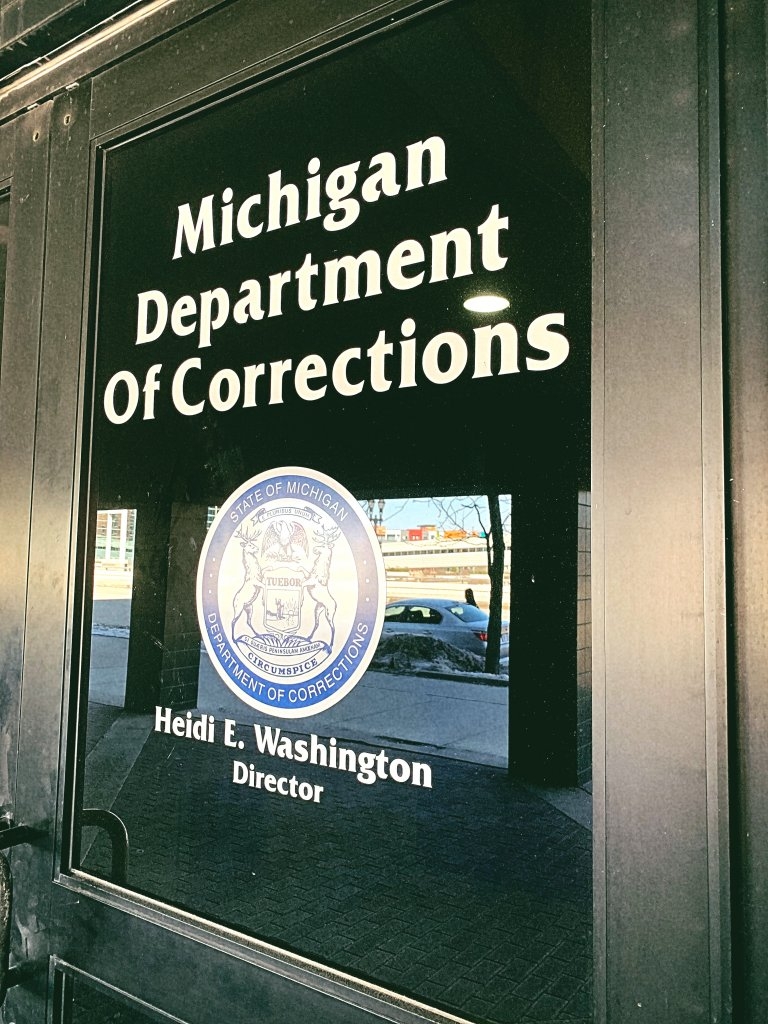
“When we have the right housing to support individuals throughout their course of incarceration, we create safer facilities for staff and increase the success of those housed there,” Department of Corrections Director Heidi Washington said in a news release. “Our population is always changing and the transitions happening right now will deliver immediate improvements in how we operate. At the same time, our new investments in high‑security infrastructure will ensure that, moving forward, we will be providing the most advanced and effective correctional environment available within these new units.”
Byron Osborn, president of the Michigan Corrections Organization, which represents all state corrections officers in Michigan, said in an interview with the Michigan Advance that the changes were a step in the right direction.
However, Osborn, who is a correctional officer himself in the Upper Peninsula, expressed concern on the timeline proposed for those added high-security beds, saying that the timeline of over three years for the new high-security units was “not immediate help for us.”
“We are not pleased with the delays that are going to occur, because these problems are persisting,” he said. “We’ve got prisoners getting seriously assaulted, staff getting assaulted, prisoner homicides happening somewhat regularly now, and the need for these Level V beds, single cell beds is more of an immediate need.”
Osborn’s organization has repeatedly asserted that the state does not have enough high-security prisons to house all of the prisoners who are classified as high-security prisoners, and that fact has led to increased violence both by prisoners against corrections officers, as well as between prisoners.
“We’ve got all of these prisoners who normally, if the prison system was operating correctly, would be housed in a higher security level due to their misconduct reports and their bad behavior,” he said in an interview prior to the MDOC announcement. “That’s why you see, when we report on a lot of these staff assaults and even some of the prisoner assaults, we’re saying some of these assaults, in most cases, most of them would not be occurring if the department didn’t have a security classification problem. These guys would be in single man cells at level five, where they can’t assault anybody.”
However, Osborn also expressed some skepticism about the feasibility of the new changes, especially in the wake of significant staffing shortages at a number of facilities throughout the state.
St. Louis Correctional Facility, for example, has about a 14.5% staff vacancy rate according to data from the department. Osborn noted that the department has not yet explained to the union how they plan to provide staff for the additional high-security beds at St. Louis Correctional Facility, or SLF, and Oaks Correctional Facility.
“Already, SLF is facing a pretty significant staffing shortage,” he said. “So if you add another level 4 or 5 housing unit, that’s another 4 or 5 assignments per shift that they’ve got to fill.”
Meanwhile, Citizens for Prison Reform, an advocacy group for incarcerated people in Michigan, highlighted the importance of improvements to accessibility and safety. The group also raised questions about the changes being made.
“Alongside adding hundreds of higher security beds, what is being done to address the underlying issues contributing to the increased need for this type of housing in the first place?” The group posted on Facebook in response to the announcement from the department. “Adequate staffing, expanded and consistent access to educational and rehabilitative programming, medical and mental health care, substance use treatment, trauma informed practices, appropriate classification, and support for family connection and reunification can all play a role in creating safer prisons.”
Lansing, MI