The energy Virginia needs is the energy we can build now
Sep 07, 2026 | 5:26 am ET
Description
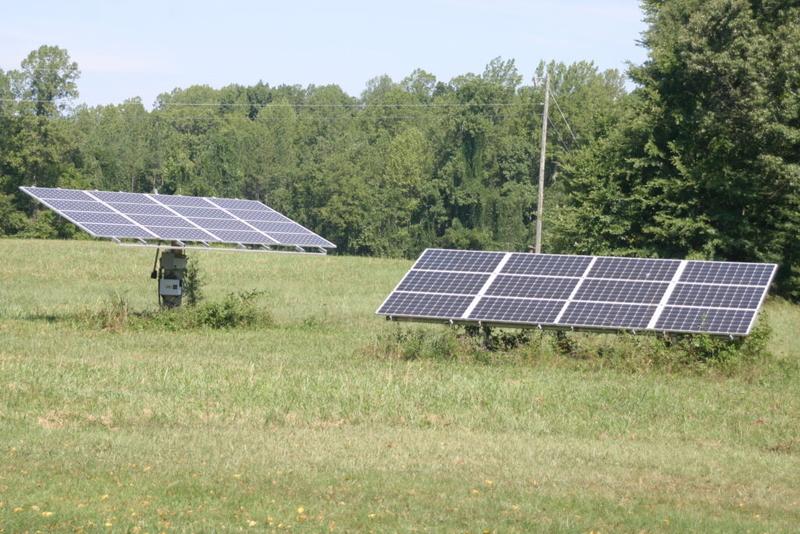
Solar panels in Cumberland County, Va. (Photo by Shannon Heckt/Virginia Mercury)
Virginia’s energy needs are changing quickly, and to address them we must respond even quicker. Data centers, new manufacturing, population growth and other economic development are driving electricity demand higher, putting additional pressure on an already strained grid.
At the same time, Virginia imports more power than any other state in the nation, and Dominion Energy anticipates 23% of our electricity supply to come from out of state in 2027. Relying on other states’ wholesale electricity prices, instead of allowing Virginia utilities and regulators to set rates by Virginians for Virginians, is costing ratepayers.
If we want to keep our economy growing, attract new investment and maintain reliable electricity for families and businesses, we need to produce more of the energy we use here at home, and we need to do it quickly.
This is becoming more than an energy policy question, but rather an economic development question.
Companies considering Virginia for business need confidence that the electricity will be available and affordable when they need it. Communities need reliable power to support existing businesses and attract new ones, and families need an electric grid that can keep pace with growing demand without placing unnecessary upward pressure on their bills.
If Virginia cannot provide enough electricity to support growth, we risk limiting the very economic opportunities that have made the commonwealth an attractive place to live and do business.
Ensuring reliability statewide is one reason we are seeing more rapid solar development.
A recent “Speed-to-Deploy” fact sheet from the Solar Energy Industries Association illustrates how quickly different energy resources can move from early-stage development to operation. Utility-scale solar takes an average of about 1.4 years to reach operation, while battery storage takes about 1.7 years.
By comparison, a natural gas combustion turbine takes a little over two and a half years, a natural gas combined-cycle plant requires about four years and nuclear projects can take more than 15 years.
Natural gas timelines, however, could be much longer due to various parts backlogs, with some manufacturers claiming it could take five to seven years to manufacture a gas-powered turbine.
Those timelines matter. Virginia is not planning for an energy challenge that might arrive decades from now. Demand is increasing, and we need new generation that can come online within a reasonable timeframe, and frankly, we needed more energy yesterday.
Solar and battery storage give Virginia tools that can be deployed relatively quickly to help meet that growing demand. They can also be developed across a range of communities and project sizes, allowing localities to reap the economic benefits of new energy infrastructure.
That does not mean these resources should replace longer-term investments in baseload generation. It means Virginia should use the resources available to us based on what they can contribute, and when they can realistically come online.
Those aforementioned benefits extend beyond the electricity itself. Solar projects can provide new tax revenue for counties and local governments, create construction and maintenance jobs, support local businesses and provide landowners with a new source of income.
For rural communities in particular, responsible solar development can bring private investment to areas that may otherwise have limited opportunities for large-scale economic development, without adding strain to public services. When projects are properly sited and developed with community input, they can become another piece of a locality’s economic development strategy.
Solar can provide another avenue for private investment, while giving willing landowners an opportunity to generate income from their property and giving local governments a new source of tax revenue.
None of this means solar is the only answer to Virginia’s energy needs. We need a diverse energy portfolio that includes nuclear, solar, natural gas, battery storage and other resources, along with continued investment in transmission and the broader electric grid. Different technologies have different strengths, and reliability requires us to lean into all of them.
However, diversification of our grid should not mean overlooking the resources that can be deployed the quickest. If Virginia is serious about meeting rising electricity demand, strengthening our energy security and reducing our reliance on power imported from other states, we should use every responsible tool available to us.
The challenge before us is not simply finding more energy. It is creating enough energy, in the right places, and getting it online in time to meet the demand that is already here. On that front, solar and storage have a clear and important advantage.
We should be planning for the energy system we will need decades from now while also deploying resources that can help address demand in the next several years. The commonwealth should not have to choose between planning for 2040 and meeting the energy needs of 2028. We can and should do both.
Richmond, VA