NJ panels OK rate hike for public worker health plans, deadlock on increase for teachers
Sep 03, 2026 | 7:39 pm ET
Description
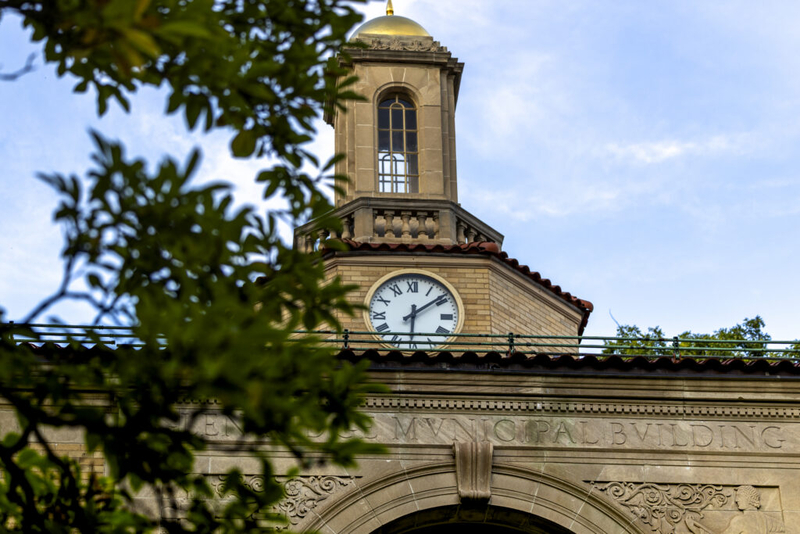
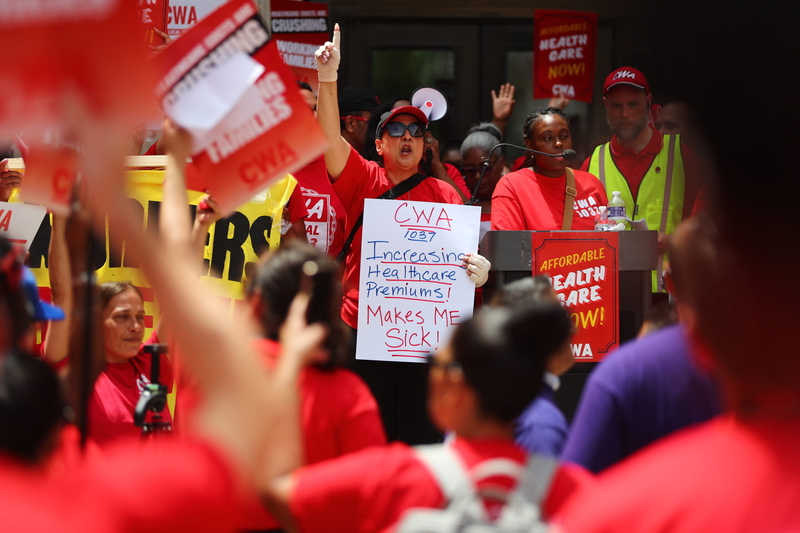
A state panel approved double-digit hikes Thursday for state and local government workers' health plans, but a separate panel deadlocked on increases for school workers. (Photo by Anne-Marie Caruso/New Jersey Monitor)
A New Jersey commission approved double-digit premium increases for state and local government workers’ health premiums in divided votes Thursday, but a separate panel that oversees the state-run health plan for school workers again deadlocked on a vote to raise rates.
The State Health Benefit Commission’s votes will increase local government workers’ health premiums by 17.3% on average, but state workers will be spared the brunt of the increases under a deal announced Wednesday with Gov. Mikie Sherrill’s administration.
Billy Gallagher, a spokesman for Communications Workers of America, said in a statement that reforming the State Health Benefits Plan to avoid big cost increases in the future must be a top priority in the coming months.
“There is still an enormous amount of work to do for local government workers, who are being crushed under sky-high premiums that eat up 15-20% of their paychecks — an unsustainable and unacceptable burden that has been allowed to fester for far too long,” Gallagher said.
The latest movement comes amid steep rises to the cost of public and private health plans nationwide, but the impact has been particularly keen for New Jersey’s plans for local government and school workers.
These plans have faced mounting pressures as cost increases push units with younger, healthier workforces to cheaper options in the private market, raising rates for those who remain and prompting more departures that only lead to more increases.
This year, state actuaries said premiums for school workers’ plans would need to rise by 34.4% on average to fund claims, rebuild a month of surplus, and repay $90 million in loans the plan is expected to owe to the state next year.
Those increases have created a split between the panel’s four union members and four others who represent the state or school boards. But the panel has deadlocked only because one of its nine seats is vacant and has been since at least 2024. Typically, union members hold a minority of the commission’s seats.
It’s not clear when the School Employees Health Benefit Commission will reconvene for another vote, and some members repeated warnings that delaying rate approvals could create problems when open enrollment begins in October. Rates in some past years have been approved later in September.
“Unfortunately, this is not an optional thing. We need, as a commission, to address the rates. It’s not optional. It is our statutory duty, and it’s time sensitive. Open enrollment will begin as scheduled,” said Sergio Arvizu, the panel’s representative for the state Treasury.
At past meetings, some commissioners have said delaying rates could force members to choose their health plans without knowing their costs, prompting appeals that state officials would be forced to deny. Unions have disputed a delay would have such effects.
Other members of the panel warned that approving another year of steep increases could conscribe districts to financial doom if their workforces are too small or sick for private-market alternatives.
“These rates are going to bankrupt districts,” said Commissioner Michael Salerno.
Salerno added that large increases for the public plan could prompt insurers in the private market to make their own large increases.
“If we approve a 34% rate, they can come back with a 30% increase and be heroes. The idea of what this will do to education in New Jersey is, to me, a catastrophe,” he said.
Late Wednesday afternoon, Sherrill announced New Jersey would forgo increasing state workers’ share of health premiums while the administration pursues compromises with the 17 unions that represent state workers here to provide time for officials to seek comprehensive reforms.
“The severe financial challenges facing the State Health Benefits Program did not emerge in one year or from one decision, and there is no single fix — this is complicated,” Sherrill said in a statement. “This agreement brings key stakeholders to the table to take on this challenge together, to address rising costs, while preserving high-quality benefits and putting the program on a more sustainable path for the future. “
It’s unclear how much deferring those increases will cost New Jersey. The state’s actuaries in a rate renewal report said state workers’ plan would need to collect $397.2 million more in premiums for 2027 than it did in 2026, but that amount includes premium increases that would have been paid by the state and its workers.
Commissioners from both sides of the issue saw that agreement and its promise to gather state and union officials, along with other stakeholders, in a working group by October as a chance at meaningful reform.
“I do hope that the framework established for state employees … is something that results in greater cost controls and transparency among the plans and what we are actually paying for, both as public employees and public servants and taxpayers,” said Jennifer Higgins, a State Health Benefit Commission commissioner who represents state workers.
Trenton, NJ