Rep. Diamond proposes gaming reform to save skill games and boost tax relief
Sep 01, 2026 | 4:13 pm ET
Description
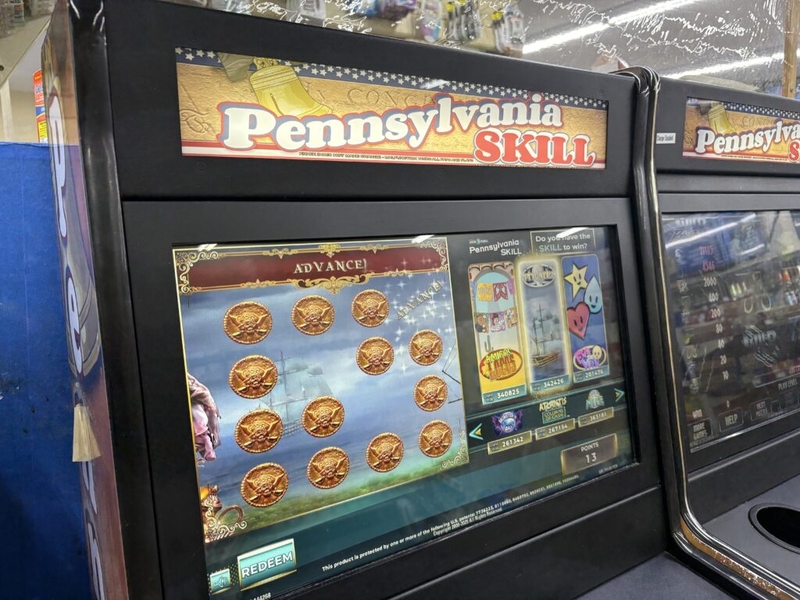
A Pennsylvania Skill game in a Delaware County convenience store. (Photo by Peter Hall/Pennsylvania Capital-Star)
With the future of skill games in Pennsylvania on the line, a Lebanon County state lawmaker is proposing an update to the commonwealth’s Gaming Act to legalize the gambling machines before they’re forced to go dark.
Rep. Russ Diamond (R-Lebanon) said in a news release Tuesday that taxing slot-machine-like skill games could also provide nearly $1 billion in additional property tax relief for homeowners.
“Pennsylvania’s gaming law was originally written for a much different era,” Diamond said, noting the legislation would bring skill games under regulation as the industry faces a legal deadline.
Skill games are video-based gambling devices that allow players to place a bet on the outcome of a game of chance to win a jackpot. They differ from casino games in that they offer players a chance to win back their money by completing a skill element, though few take the opportunity, opting instead to bet again for a shot at a big win.
Critics say they’re predatory, appealing to those who can least afford to lose money gambling; risk exposing children to gambling; and contribute to crime in neighborhoods where they’re common.
The state Supreme Court in June invalidated what it called “deeply flawed” lower court decisions that it said improperly excluded the machines from regulation under the Gaming Act and the Crimes Code.
State courts had ruled skill games are not covered by the Gaming Act or the state’s general ban on unregulated gambling. As a result, skill games have existed and proliferated for more than a decade in a legal gray area, becoming common fixtures in neighborhood stores, restaurants, gas stations, private clubs and even dedicated skill game parlors.
Recognizing that thousands of small businesses and private organizations such as fire companies and American Legion posts depend on revenue from the machines, the court stayed the effect of its decision for four months. That means Skill Games will be illegal starting Oct. 13, unless the General Assembly passes legislation to legalize them.
Gov. Josh Shapiro has proposed legalizing and taxing skill games as a new revenue stream in his last two budget addresses, but the legislature has been unable to agree on the details.
Efforts to pass skill games bills ended with an impasse last year in the Senate over the tax rate and other details. The commonwealth’s casino industry, which has lobbied heavily against them, is taxed at a hefty 55% and pushed for a comparable rate.
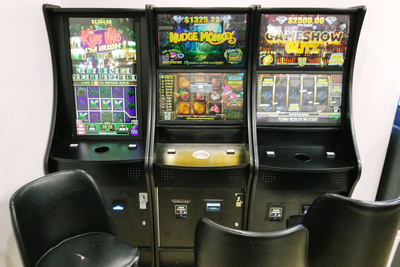
Senate leaders endorsed a plan to tax skill games at 35%. Sen. Gene Yaw (R-Lycoming), whose district includes skill game maker Miele Manufacturing, sponsored competing legislation to tax the machines at 16%. Yaw and Sen. Anthony Williams (D-Philadelphia) also introduced a bill to impose a monthly fee of $500 per machine, a proposal favored by the industry.
Diamond’s proposal would regulate and tax skill games at 20% with a limit of five machines permitted only in clubs, restaurants and bars with liquor licenses and qualified truck stops. It would also reduce the tax rate for casino slot machines and online casino games to 49.9%.
The legislative package would establish a defined formula to maximize property tax relief, provide reliable annual funding for the Race Horse Development Trust Fund, nearly double money available for gambling addiction treatment and provide revenue for the state’s General Fund, Diamond said.
Noting that property tax relief is now “hidden away” on school property tax bills, Diamond’s proposal would make the refunds more tangible by issuing the money as a “gaming dividend” payment to each of the commonwealth’s 2.87 million qualified homeowners.
“Every time I talk about property taxes, people complain about not seeing the relief from casinos promised by politicians more than 20 years ago,” Diamond said. “This set of bills will increase property tax relief for 96% of Pennsylvania’s homeowners and deliver it directly into their hands. The amount of relief they receive will grow in direct proportion to the annual growth of all forms of legal gaming in the Commonwealth.”
Even without growth in legal gaming in the next fiscal year or additional revenue from legal skill games, every qualified homeowner would receive a dividend payment of at least $702 annually, the news release said. In Diamond’s Lebanon County district, that would equate to an annual increase in tax abatement of $459 to $602, depending on which school district they live in.
Harrisburg, PA