‘Sadistic’ Cult: Hilo High Schooler Preyed On Girls Online
Oct 22, 2026 | 6:01 am ET
Description
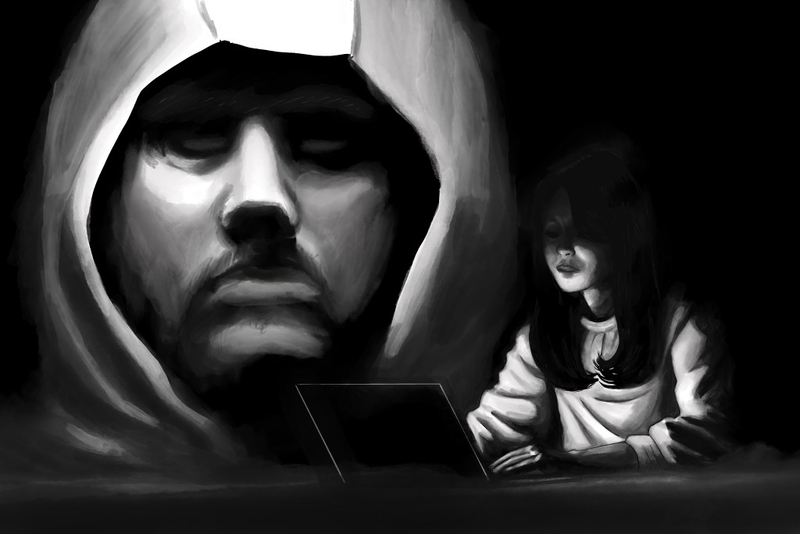
Photo courtesy of Honolulu Civil Beat

K was excited to show her 12-year-old granddaughter her Facebook profile and jokingly brag about how many new friend requests she’d received.
As the two sat together in the girl’s upstairs bedroom in Waiʻanae one night in 2021, K opened her laptop and pulled up her Facebook page.
They started chatting about social media and the internet, but quickly, the conversation turned sinister.
The granddaughter mentioned an online chatroom she had been involved in and a teen boy, also in Hawaiʻi, who had been sending her manipulative messages and trying to exert control over her.
He’d done other disturbing things, too, like pressure other girls in the chatroom to carve his name into their skin with sharp objects. If any of the girls disobeyed him, he would threaten to release sensitive photos of them or harm their family members.
“I said, ‘You know, I have to tell somebody,’” the grandmother told Civil Beat. “The next morning, I called the FBI.”
The online world the girl had fallen into was far deeper and darker than her grandmother initially realized. The boy who pulled her into it was Kalana Limkin, a teen living in Hilo who was then just 16 himself.
Limkin, court records show, appeared to be a quiet, introverted boy. But online, he was the founder and ringleader of a violent, nihilistic extremist group known as “Cultist.” Members of the group, which prosecutors would describe as a “vile online chat room” operated on the app Discord and sought out young, vulnerable girls to groom, prey upon and abuse.
This story will refer to K's granddaughter as Jane, which is not her real name, because Civil Beat does not identify victims of sexual abuse. She, her mother and grandmother all spoke to Civil Beat on the condition of anonymity.
Limkin, who is now 21, was sentenced in July to 10 years in federal prison followed by 20 years of supervised release. He is also in the middle of a state case for online crimes committed before his 18th birthday. His federal indictment deals with acts he committed as an adult.
Experts in online cults say Limkin’s case is one example in a larger, disturbing trend of online nihilistic extremist violence, which is rooted not in a particular ideology, religion or political motivation but rather the idea that life is meaningless and society should be toppled from within.
The FBI issued an open letter to parents in February warning them about growing activity of the online extremist group “764,” of which prosecutors say Limkin’s Cultist group is an offshoot. The group uses online chatrooms and message boards to target and groom vulnerable children and coerce them to harm themselves and others. The agency said it was investigating more than 350 people around the country for connections to the group and other online extremist violence organizations. Law enforcement is investigating whether the 16-year-old who carried out a mass shooting at an elementary school in Bend, Oregon last week was connected to 764.
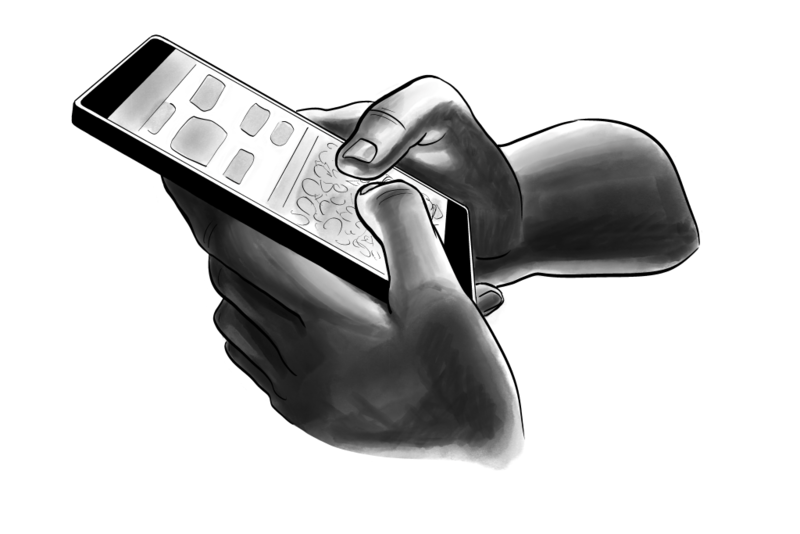
“It's critical that parents and guardians understand who their children are communicating with online and what platforms they are using,” the letter says. “In many investigations involving online threats, parents believe they are aware of their child's activities only to discover they didn't know what was truly happening.”
Cases of online nihilistic violent extremism started to rapidly increase during the isolation of the Covid-19 pandemic, according to researchers. Known cases of this type of violence jumped from six in 2019 to 110 in 2026, according to the Polarization & Extremism Research and Innovation Lab at American University. Cases recorded by researchers with the innovation lab have spanned 34 countries and are believed to have contributed to the deaths of 93 victims, including those who were killed in attacks and those who were coerced into suicide. The data on the American University tracker is live and constantly updated as more incidents are identified.
The FBI in Honolulu and the U.S. Attorney's Office of Hawaiʻi declined interviews for this story. FBI spokeswoman Sarah Rice directed a reporter to online resources, including an FBI podcast discussing online safety tips for parents and children. Hawaiʻi County prosecutor Kelden Waltjen did not return a request for comment.
For Jane, who is now 17, teaching other kids how to stay safe online is essential. For her mother, who has other young children, it’s completely changed the way she approaches technology.
“My little girls won’t be on anybody’s tablet or around a child who’s unattended on a device,” she said. “I won’t even let them hold my phone to talk to grandma, they have to leave it on the stand.”
Limkin’s attorney in his federal case declined to comment. Other attorneys who have represented him did not respond to requests for comment. Attempts to reach his family members were unsuccessful. Limkin is behind bars in a medium-security federal prison in Pennsylvania.
‘I Thought I Was His Girlfriend’
During the pandemic, Jane was spending a lot of time on the internet. School was online, and social distancing regulations prevented her from meeting up with friends.
She started surfing the internet on the same laptop she used for schoolwork to seek out community in online forums.
She was struggling with her mental health, too and searched for spaces where people were discussing feelings of sadness or thoughts of self-harm. One site she tried was Omegle, a platform that randomly placed users in online chats with strangers. The site shut down in 2023 after dozens of lawsuits alleging it connected minors with pedophiles.
A Note On Anonymous Sources
Civil Beat generally uses on-the-record sources. However, we occasionally use unnamed sources when a source is sharing important information we wouldn’t have otherwise been able to obtain and when they could face negative consequences for speaking publicly. The reporter and at least one editor must know the identity of the source and the use of anonymity must be approved by a senior editor. You can read more about our anonymous sources policy here.
In one of these Omegle chats, she received a code for a private server on Discord, a platform popular with online gamers. A server is an invite-only chatroom where users can send messages, share media and participate in video calls.
Discord chatrooms also have been used by prominent violent extremists, including a white supremacist group that planned an infamous rally in Charlottesville, Virginia, in 2017.
As soon as she signed in, she was bombarded with messages from people asking her for information about herself, including her age and where she lived.
One of these users was Limkin. She told him she was 12 and lived in Hawaiʻi. He was 16.
He “got really excited because he also lives in Hawaiʻi,” she recalls. “He said he’s never met someone on this app who lived in the same state before.”
He called her through Discord.
“He started sweet talking me and such,” she said. “After that, I thought I was his girlfriend or something.”
But the relationship quickly took a dark turn.
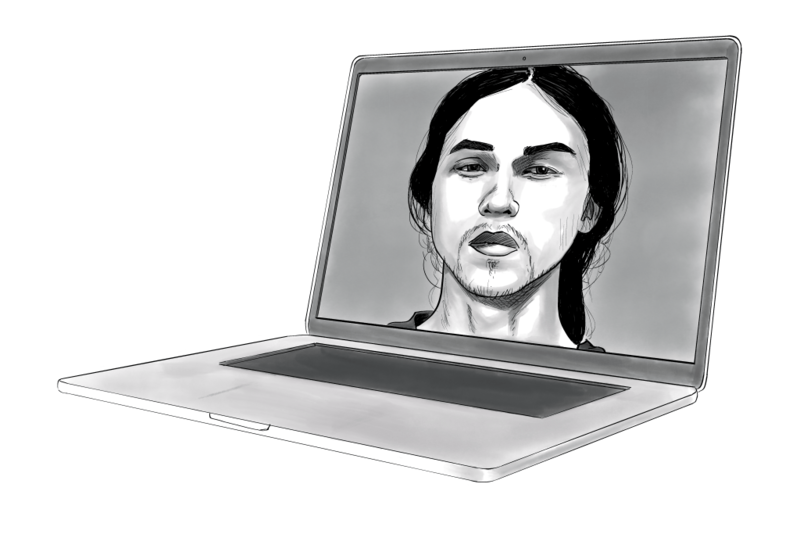
He solicited nude photos of Jane, which she sent, and set strict rules for her to follow.
She couldn’t curse, and she wasn’t allowed to eat after a certain time of day, she said. He wanted her to check in with him constantly and show him what she was doing.
He took screenshots of the Instagram handles of all the friends who followed her. He threatened to send her nude photos to them if she didn’t obey him.
Meanwhile, the Discord server he was running was full of other male users who posted increasingly extreme content in apparent attempts to one-up each other.
“They would post images of girls cutting themselves with their usernames,” she said. “I was intrigued by it at my age, and that’s why I didn’t leave.”
One day, while on a group video call on Limkin’s Discord server, he shared his screen and displayed an image of a 5-year-old girl being raped.
That’s when Jane knew she had to find a way out.
“Why am I even here? This is disgusting,” she recalled thinking at the time. “It wasn’t just images. It was full-on videos of really terrible stuff that I can never forget.”
But pulling herself out of the online world wasn’t simple. She started to defy the rules Limkin had set for her by cursing and smoking on a video call with him. He retaliated by creating a group chat on Instagram with all of her friends' handles and sharing naked photos of her.
More than two months after her communication with Limkin started was when she decided to open up to her grandmother.
Shortly after her grandmother’s call to the FBI, her mother said federal agents came to the family’s Waiʻanae home and seized the laptop. Jane said she never spoke to Limkin again.
Targeting The Vulnerable
The tactics Limkin used on Jane were similar to those he used on other victims, according to court records. The documents don’t specify how many people Limkin victimized or where they were located, but they say he preyed on multiple girls ranging in age from 12 to 16.
Attorneys representing nine victims requested restitution from the government for his crimes, court records show, but the records do not name them or their attorneys. The victims are located all over the world, according to Jane, including the U.S., Hong Kong and Russia.
Limkin, who was arrested by the FBI at his Hilo home on Dec. 13, 2023, admitted that he specifically sought out victims who were struggling with their mental health "because they were easy to manipulate,” according to a sentencing memo.
He then bombarded them with gory and upsetting images to desensitize them to violence. He regularly shared images of animal abuse and tried to persuade his victims to harm their pets or younger siblings on camera. On two occasions, he tried to get girls to kill themselves and film it.
For Young People: Stay Safe Online
- Do not share personal information with anyone you don’t know online, including your full name, your age, where you live and what school you go to.
- Never share photos of yourself with anyone online that you wouldn’t want shared publicly. If someone asks for nude or inappropriate photographs, block them immediately.
- Beware of lovebombing, which involves intense displays of affection or attention early in a relationship. Predators often do this to build trust and follow up with attempts to control you.
- Block anyone who encourages you to harm yourself.
- Report any suspicious or threatening behavior you see online to a trusted adult, including disturbing content being shared in chatrooms.
- You can also report suspicious online activity to the FBI through their tipline at 1-800-CALL-FBI or online at tips.fbi.gov
“You know you’re not going to have any type of future, you know that right?” he told one victim in a chatroom, according to court records. “It’s okay to give up.”
When the girl managed to extricate herself from the situation, Limkin told other members of his group, “there are other girls to do stuff with, it doesn’t matter.”
Jane said she’s spoken to other victims of Limkin who say they suffered a range of horrors. One cut her forearm so deep at Limkin’s request that she needed staples at the hospital, she said. Another said she was blackmailed into killing her pet and cutting her own hair off. A third took inappropriate photos of younger siblings to send to Limkin, according to court records.
For Limkin, having photographs and recordings of these acts were like “grisly trophies of his sadistic success” that allowed him to reinforce a cycle of victimization, prosecutors said in court records.
In some cases, Limkin downloaded and reshared existing child porn images. The 5-year-old girl depicted in a child porn image on Limkin's hard drive was identified by the National Center for Missing and Exploited Children as a missing girl from Ukraine, court records show.
A ‘Sinister’ Online World
As Limkin was terrorizing victims, he was also attending Hilo High School and working part time as a cashier at K’s Drive-In.
Limkin lived with his mother, Olga Limkin, and was homeschooled from 2016 to 2022, according to a letter submitted to the court by Hilo High School guidance counselor Kellie Frias, who started working with Limkin when he enrolled at the school in January 2022.
Limkin began taking early college courses the following school year and was “excelling all around,” she wrote. He also walked everywhere, including to school and to his part-time job. He was “very independent” and managed his responsibilities by himself.
By May 2024, he was on track to graduate after spending only 2 ½ years enrolled in high school — an accomplishment that was “unheard of,” Frias wrote.
Frias did not respond to a call seeking comment. A half-brother of Limkin who at one point offered to take Limkin in if he was released pretrial did not return calls seeking comment.
A number listed for Olga Limkin was disconnected, and she did not respond to a friend request on social media. Her Facebook profile contains dozens of public videos of her speaking to the camera about various conspiracy theories. In two recent videos, she talks about wanting to overthrow the government and speculates that the military is controlling the weather.
Limkin was an introverted teenager and sometimes expressed frustration about “immature schoolmates” or "tedious classwork,” Frias said in her letter. Nevertheless, he was a hard worker and wanted to take responsibility for his actions and improve his life.
“The Kalana I know is extremely bright and an avid learner,” Frias wrote. “He is motivated to better himself in the society we live in.”
When he was arrested, Limkin was a scrawny, pale teenager who had just turned 18, his attorney at the time, Melinda Yamaga, wrote in a request for pretrial release. Over the course of eight months in federal detention, his mental and physical health had deteriorated.
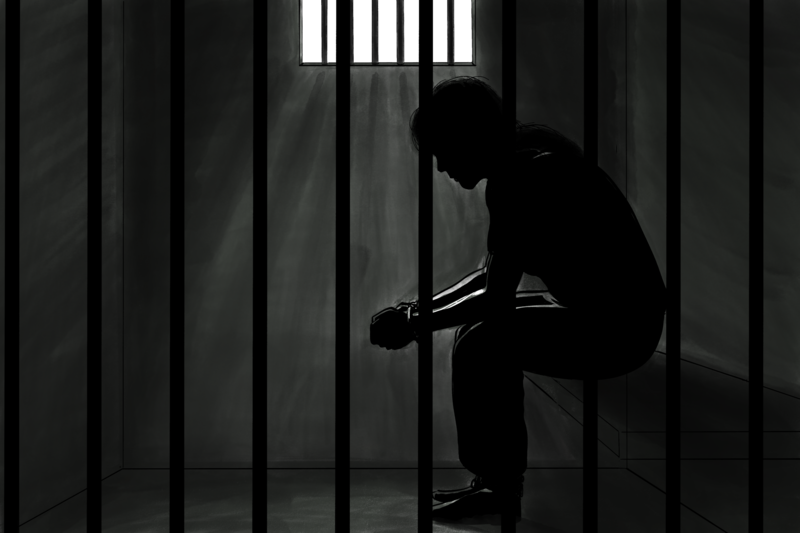
“Coping with the stress of incarceration has been incredibly mentally taxing,” she said. “His demeanor has become sullen and his mood is consistently somber. Given his incredibly young age, his therapeutic needs, his meek physical stature, and the nature of his charges, he is struggling.”
But prosecutors fervently opposed his release. They cited records showing Limkin had been disciplined three times in prison — twice for disrupting monitoring on the prison phone and once for destroying property.
They also doubted anyone could keep Limkin from accessing the internet given his advanced technological skills and argued he posed an extreme danger to the community and his victims, whom they feared he would try to contact if released.
U.S. District Court Judge Helen Gillmor denied Limkin’s motion for release.
Limkin tried again for pretrial release in February 2025, this time under the representation of a new lawyer, Gary Singh, after his previous lawyer withdrew from the case due to an “irreconcilable breakdown in the attorney-client relationship.”
Prosecutors again argued against his release, highlighting the danger he posed to the public.
“The defendant possessed child pornography for the purpose of disseminating it to minors as a means to corrupt the youth and achieve his aim of causing and accelerating the downfall of Western society,” they wrote. “Plainly, the defendant’s release would endanger the community.”
Gillmor again denied Limkin’s request.
On Feb. 13, 2025, he pleaded guilty to one count of possessing child pornography, and prosecutors argued that he should be given the highest sentence allowed by law for the charge: 10 years. They said they would have argued for more if it weren’t for a statutory cap.
“Limkin’s victimization of marginalized youth and complete disregard for human life are some of the most repugnant behaviors this prosecutor has observed in over a decade of work,” wrote Assistant U.S. Attorney Mohammad Khatib in a sentencing memo.
This wasn't just a run-of-the-mill child pornography case, Khatib wrote, “Limkin operated in a world far more sinister.”
Limkin appealed his judgement shortly after he was sentenced arguing that he received bad advice from Singh, who told him he would likely face less than five years in prison if he pleaded guilty, court records show. His current attorney, Elizabeth Richardson-Royer, declined to comment. Singh and Yamaga did not return requests for comment.
Following his 10-year prison sentence, Limkin is expected to be subject to two decades of supervised release, which comes with conditions including a ban on accessing social media, a requirement that probation officers install monitoring software on all of his devices and a limit on computer access for only essential purposes such as employment and contacting family members. He will also need to participate in mental health and sex offender treatment programs and register as a sex offender.
A 'Sense Of Power'
To Jane and her family, Limkin’s sentence doesn’t seem adequate to atone for all the pain he’s caused.
“I really don’t think that’s enough time,” Jane said.
She still feels the effects of the psychological abuse she suffered. She has difficulty expressing emotions and is hesitant to trust new people, she said. The experience left her with a bleak outlook on the world and on her future.
“It's really hard to be comfortable with people online and like even want to be online,” she said. “And make friends and stuff and trust people. It's made having relationships quite, quite hard.”
Local Resources
If you are a victim of sexual abuse, you can contact the Sex Abuse Treatment Center of Hawaiʻi’s 24/7 hotline: 808-524-7273
If you are experiencing thoughts of self-harm or suicide, help is available by calling 988.
It’s possible Limkin will serve additional time as a result of his state case, but that remains to be seen.
In Hawaiʻi County, Limkin is facing one count of promoting child abuse in the first degree, a class A felony that can carry a sentence of up to 20 years.
He also faces one count each of second-degree promoting child abuse and promoting child abuse images, class B felonies that can carry up to 10 years each. In addition, he faces two class C felonies — use of a computer for child abuse and violation of privacy by disclosing an image or video without consent — which can each carry up to five years in prison.
Typically, sentences are served concurrently, but if he’s convicted, it will be up to a judge to determine whether his sentences will overlap or be served one right after another. A judge would also need to determine whether any portion of his state sentence would be served concurrently with the remainder of his federal sentence.
Federal prosecutors are starting to crack down more harshly on these types of online crimes to send a message to other predators.
In August, one of the original members of the online extremist group 764, which Limkin was also a part of, was sentenced to 77 years in federal prison — the longest sentence ever imposed on a nihilistic violent extremist, according to the Department of Justice.
The man, 27-year-old Kyle William Spitze from Friendsville, Tennessee, pleaded guilty to producing and possessing child sexual exploitation material and abetting the distribution of videos showing animals being crushed. Prosecutors say Spitze groomed more than 2,600 victims around the world, two of whom ultimately killed themselves.
In a statement, Assistant Attorney General for National Security John Eisenberg said Spitze’s long sentence “sends a strong message that civil society will not tolerate such depravity.”
Nihilistic violent extremist groups began rising in prominence online in 2020 and 2021 during the height of the pandemic, said Michael Jensen, director of research for the Polarization & Extremism Research and Innovation Lab at American University. The perpetrators, who have been located around the world, are often minors themselves.
The social isolation of the pandemic exacerbated existing feelings of boredom, loneliness and pessimism about the state of the world, Jensen said, making some youth especially vulnerable to extreme material spreading like wildfire on the internet. Online algorithms fueled the fire by exposing viewers to increasingly shocking content.
Even since the pandemic ended, this disturbing online world has continued to have a hold on young people, particularly young men, who are socially isolated and have low self-esteem, Jensen said.
Some teens get recruited into these worlds by predators who find them in the chatrooms of video games, like Roblox or Minecraft, or online message boards, according to a June article published by the Combating Terrorism Center. Recruiters establish trust with their targets before inviting them into private online groups where young members are encouraged to engage in increasingly extreme or violent behaviors to gain status or clout.
Because Limkin's case never went to trial, public records reveal little about how he got involved in this online world. It's unclear how old Limkin was when he first made contact with nihilistic violent extremists online or how he became radicalized. A sentencing memo says that Limkin felt a "sense of power" as he climbed the ranks of the online cult, and for an unspecified two-year period, "it was all that he would do."
"These are very isolated, lonely individuals that have a very low sense of self worth, that have a very low sense of really any future in which they will be able to achieve their goals," Jensen said. "They find that these (online) spaces not only share those similar viewpoints, but that there's a community ready to celebrate you if you can do enough stuff to gain their attention."
More violent episodes, such as school shootings, are being connected to online nihilistic violent extremist groups, including a shooting in June at a high school in the Philippines.
“It’s a global enterprise at this point,” Jensen said.
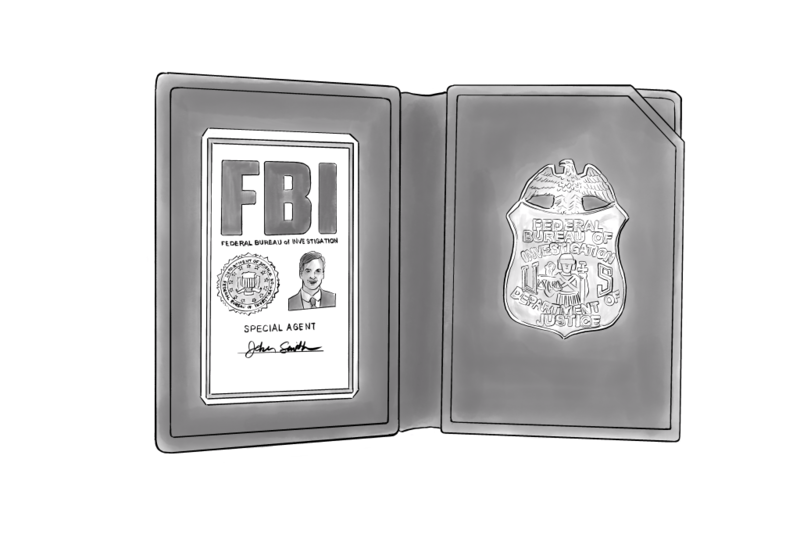
Federal lawmakers are starting to take the problem more seriously as well. A bill being considered in Congress called the Ending Coercion of Children and Harm Online would establish a new federal crime explicitly outlawing coercing children into harming themselves. It would also give law enforcement officials and prosecutors greater ability to investigate and prosecute members of groups like 764 by amending child protection statutes to treat online coercion of children with the same severity as traditional child exploitation. The bill has been referred to the Senate Judiciary Committee.
The technology companies themselves also need to take stricter action to prevent nihilistic violent extremist networks from operating on their sites, Jensen said.
“They're the mechanism through which all this happens,” he said. “And if they took this a bit more seriously, we wouldn't be facing what we're facing right now.”
Michelle Kramer, spokesperson for Discord, said the company has been cracking down on nihilistic violent extremist groups since they first started appearing on the platform in 2021.
“It’s because our efforts are working that we have been able to remove thousands of servers, banned hundreds of thousands of users, and filed numerous CyberTip reports with (the National Center for Missing & Exploited Children) related to 764 and adjacent groups since 2021,” she said. “Discord is continuing to invest in new ways of detecting these groups, including if they attempt to return to Discord after being removed.”
Parents and kids also need to stay vigilant and learn how to stay safe online, said Laura Ellsworth, an attorney who helped found the Eradicate Hate Global Summit, an annual conference on preventing hate-fueled violence and extremism.
Predators can be lurking in any corner of the internet, including video game chat rooms, message boards, online forums and comment threads. They build trust with their victims by learning as much personal information as they can about them and pretending to be their friend or lover.
What Parents Should Look For
- Talk to your child about what they’re doing on the internet. Ask questions with curiosity, not judgement, and let them know they can come to you if they see something suspicious, disturbing or threatening.
- Watch for sudden changes in behavior such as social withdrawal, lack of sleep, disruption of eating patterns and changes in appearance. These could be signs your child is being victimized.
- Signs that your child could be becoming radicalized by online extremists include watching gory content online, celebrating mass killings and attackers, retreating socially from friends and family and trying to hide their online activity.
- Keep devices, such as laptops and smartphones, in common areas of your home. Do not allow your child to take them into their bedroom at night or behind closed doors.
- Use parental controls on your kids’ devices when appropriate.
- Talk to your children frequently about online safety beginning as early as age 8. Encourage them to be wary of strangers on the internet and tell them never to share any personal information with anyone they don’t know.
- If you think your child has been contacted by a predator online or is becoming radicalized themselves, contact law enforcement, either the FBI or local police.
- Seek mental health support for your child through local resources like the Sex Abuse Treatment Center or national resources like Eradicate Hate.
Since the pandemic, it's become increasingly difficult for children to separate their online lives from their real ones, Ellsworth said.
“We said to our young people, ‘Here is a screen. This is how you're going to live your life,” she said. “This is where you're going to get your education. This is how you're going to talk and hang out with your friends. So you can believe people that come through here.”
Parents need to have regular conversations with their children about what they're doing online, Ellsworth said. Children need to feel like they can go to their parents if they see something suspicious or scary without the fear of being judged or getting in trouble.
"We should not wait around for somebody else to solve this problem," Ellsworth said.
Illustrations by Will Caron for Civil Beat
Honolulu, HI