Canada excludes seafood from tariffs, sparing Maine’s lobster industry
Aug 27, 2026 | 11:46 am ET
Description
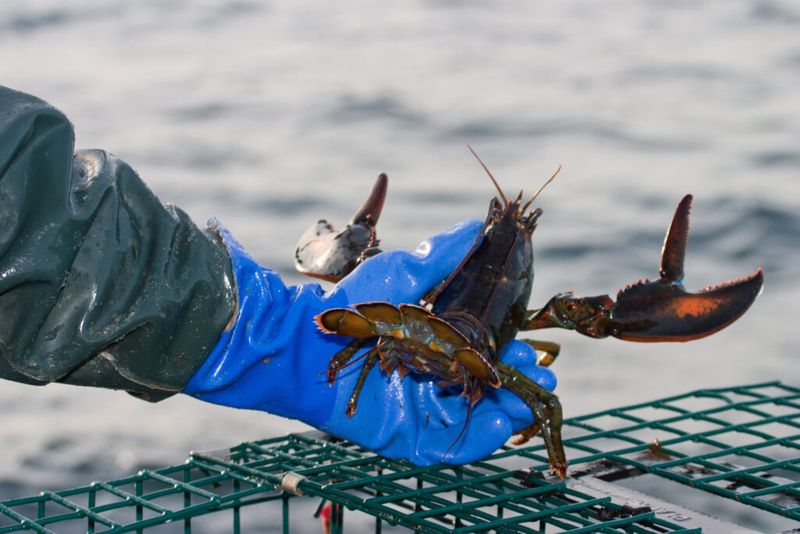
Researchers catch lobsters as part of long-term ecosystem survey in Maine. (Photo courtesy of GMRI.org)
Canada reversed course on proposed seafood tariffs, easing concern for the impact on Maine’s lobster industry, which was facing a 25% import tax.
“Keeping seafood tariff-free protects our shared supply chain and avoids unnecessary economic harm on both sides of the border,” said Patrice McCarron, executive director of the Maine Lobstermen’s Association, in a statement Thursday.
The association raised concerns about the proposed tariff earlier in the week, and said it would have severely disrupted Maine’s lobster markets at the height of the fall fishing season, in an industry already operating on thin margins.
On Tuesday, Canada announced retaliatory taxes to start Sept. 8 on $27.6 billion worth of American goods. The duties on U.S. imports will match Trump’s new 50% tariffs on hundreds of Canadian products “dollar-for-dollar,” according to Canada’s Department of Finance.
“We appreciate Canada’s decision to listen to the concerns raised by the seafood industry and remove seafood from these tariffs,” McCarron said. “We urge both governments to continue protecting the longstanding tariff-free trade in lobster that benefits fishermen, businesses and coastal communities throughout North America.”
Late Wednesday, Canada’s Department of Finance announced the decision to remove seafood and fish products from the country’s list of counter tariffs. The agency said it is continually working with Canadian industries to assess the effectiveness of the tariffs, and made the change after receiving feedback.
Experts warn future of Maine lobstering marked by increased risks, increased corporatization
In a statement, Canadian Fisheries Minister Joanne Thompson said it was a targeted adjustment to protect Canada’s economy.
“The fish and seafood sector drives Canada’s coastal economy,” Thompson said. “We will be there to protect Canadian harvesters, and all who rely on the fishery.”
In a statement Tuesday, independent U.S. Sen. Angus King said nearly half of Maine lobster goes to Canada in the fall for processing and that the trade war could “devastate” the industry in Maine.
“Maine people are not interested in personal, retaliatory politics,” King said. “They are focused on the high cost of goods here at home. The majority party must listen to the industry leaders here in Maine, put pressure on the President, and move forward with an economic policy that works for us and not against us.”
Forest products industry bracing for tariffs
Maine exports $1.3 billion in goods to Canada each year, according to the Canadian government’s trade data, with forest products making up 24% of that. “For many companies, it’s one supply chain,” said Patrick Woodcock, president and CEO of the Maine State Chamber of Commerce.
With many paper goods and wood products taxed as high as 50% under the proposal, Woodcock said preliminary estimates found that could amount to “almost $100 million in annual exports just for forest products, which is really significant.”
Some companies that compete with imported products have benefited from a pricing advantage. But unless the tariffs are congressionally enacted and can’t be undone by a future administration, he said it’s hard for businesses to make investments to increase domestic manufacturing.
Pointing to the news that seafood would no longer be included in the import tax, Woodcock said he’s hopeful that the two countries will return to the negotiating table.
“I welcome the effort to negotiate the best deal possible with Canada and open markets up,” Woodcock said. “Just the duration of this volatility has, in itself, been a challenge for Maine businesses to navigate.”
Election implications
The latest trade disputes with Canada come as the state faces several key elections in November, including a contentious U.S. Senate race for Republican incumbent Susan Collins.
Democratic candidate Troy Jackson was quick to place the blame on Collins, writing on social media that she failed to stop President Donald Trump from restarting the trade war.
“As always she’s got concerns about what these broad new tariffs will do to Maine, but she’s got no action,” Jackson said.
Pointing to her multiple votes against Trump’s tariffs, Collins told Maine Public Wednesday that she spoke with U.S. Trade Representative Jamieson Greer the day prior and urged him to return to negotiations, stressing the need to make sure the tariffs are removed.
“This is not China we are dealing with,” Collins said during a brief interview after an event in Kenduskeag. “It is Canada, our best friend, a country with whom our economy is completely intertwined and with whom we have so many families that are linked as well.”
Lauren McCauley contributed to this story.
- 4:34 pmThis story was updated to include details about forest products industry impacts.
Augusta, ME