Honolulu And Dole Sued By Residents Over Negligence In Kona Low Floods
Aug 27, 2026 | 1:43 am ET
Description
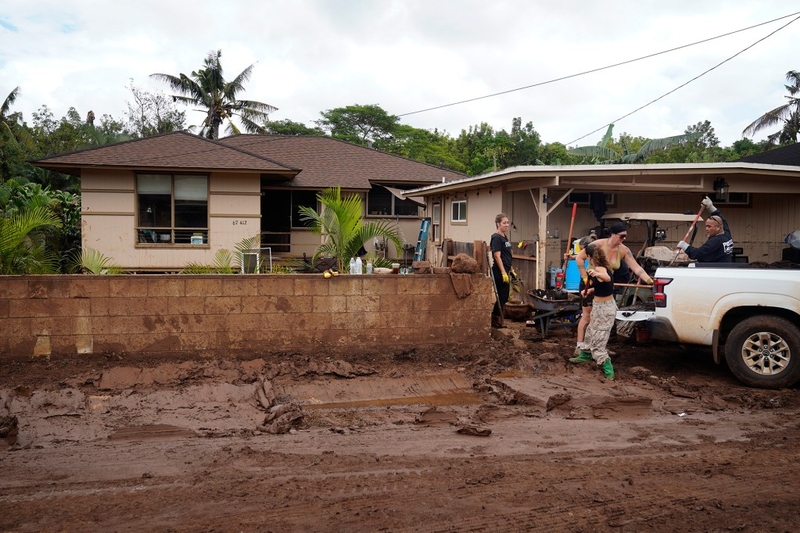
Photo courtesy of Honolulu Civil Beat
Twenty North Shore residents on Wednesday sued the City and County of Honolulu and the previous owners of Lake Wilson and the Wahiawā Dam for negligence over flood damage to their homes during the Kona lows in March.
The residents, all of whom are homeowners or renters on Haona Street, were forced to flee in the middle of the night earlier this year as the nearby Kaukonahua Stream swelled and overflowed from an enormous amount of rain during the historic storm. They say the city was negligent in its maintenance of the stream.
The city owns a section of the stream that had been clogged for years before the floods, despite pleas from residents to clear mud, silt, debris and large trees. Honolulu had considered dredging the stream over the years, spending more than $450,000 on stream studies, but those projects were never pursued. The stream was only cleared after the floods in March.

Civil Beat found that Kaukonahua was not the only flood-prone stream on Oʻahu that went unmaintained for years. There were areas across the island where government agencies had flood mitigation studies on hand that sat for years without being acted on.
But the Kaukonahua Stream caused the most damage. It swept away a house, washed out parts of Farrington Highway, buried farms under feet of mud and swamped nearby homes.
The residents are demanding a court order to force the city to implement a comprehensive maintenance program for Kaukonahua Stream. They're led by plaintiff Rafe Maldonado, whose home fronts a section of the stream that once had a
The residents want that program to include an inspection schedule, routine maintenance and procedures for responding to residents' concerns about stream maintenance.
"Without a court-ordered maintenance program, the county's decades-long pattern of failing to maintain the stream despite repeated warnings ... will continue," the lawsuit said.
The city didn't respond to a message seeking comment. Court records show it has not yet been served with the lawsuit.
The lawsuit also names Dole Food Co. and Sustainable Hawaiʻi as defendants. They owned the Wahiawā Dam, which had been repeatedly cited by state regulators for not meeting modern safety standards.
Water from the dam discharges through a spillway, which the state has said is undersized, and flows into Kaukonahua Stream. A series of outlet works and drainage gates, parts of which were replaced in 2013, also help to drain water from the reservoir before it goes over the spillway.
Parts of the North Shore had already begun flooding by the time water from Lake Wilson shot over the spillway, but the lawsuit alleges that the discharge added to an already swollen stream and contributed to flooding in their homes.
The lawsuit says Dole and Sustainable Hawaiʻi failed to maintain the dam and that its drainage system was not adequate to safely discharge water that had collected from back-to-back storms.
Sustainable Hawaiʻi owner Howard Green and representatives from Dole could not be reached for comment late Wednesday.
The companies sold the dam and reservoir to the state earlier this year under a yearslong effort by the state and lawmakers to acquire those water systems as well as miles of irrigation lines. In the lead-up to that acquisition, the state land board two years ago let the dam owners off the hook for upgrades to the dam that the state had previously said were necessary.
Taxpayers are now responsible for those upgrades and other work on the reservoir and dam that are anticipated to cost about $60 million.
Honolulu, HI