Virginia to receive $353 million in landmark Meta child-safety settlement
Aug 26, 2026 | 1:00 pm ET
Description
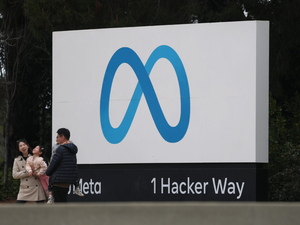
Facebook parent company Meta has agreed to pay Virginia at least $353 million and adopt new safeguards for young users under a proposed multistate settlement over allegations that its platforms harmed children. (Photo by Thomas Ulrich/Pixabay)
Virginia is set to receive at least $353 million from Meta Platforms Inc. under a major multistate settlement that would also require the parent company of Facebook and Instagram to adopt new safeguards aimed at protecting children from addictive features and harmful content.
The agreement, announced Wednesday, could reach more than $17 billion nationwide, making it one of the largest state consumer protection settlements in U.S. history outside the Big Tobacco agreements of the 1990s. It remains subject to approval by the U.S. District Court for the Northern District of California, where the case was filed.
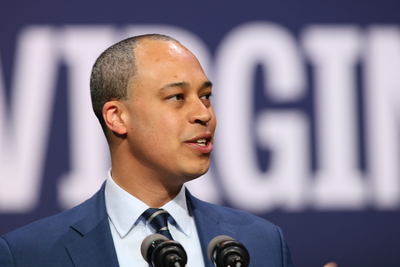
“This is a momentous day for Virginia,” Attorney General Jay Jones said in a Zoom call with reporters Wednesday morning, adding that the changes Meta would be required to make to its social media platforms could ultimately prove more significant than the money.
“This is historic, this is a shift in how Meta and these companies are going to operate,” he said.
Jones said that Virginia plans to use the $353 million to pay for a range of initiatives, including “unplugged” programs and activities intended to combat the loneliness and social isolation associated with children’s online lives. The state also wants to support digital literacy programs that help parents better understand social media.
“We are really excited to put this money into efforts that are going to continue to help protect our kids,” Jones said, adding that he also sometimes struggles to navigate social media as a parent.
The commonwealth could ultimately receive more than $500 million if other social media companies, including TikTok, YouTube and Snapchat, agree to specified settlement terms, Jones said.
The agreement resolves allegations from 47 other states, Washington, D.C., Puerto Rico, American Samoa and the Northern Mariana Islands that Meta designed Facebook and Instagram with addictive features, knowingly exposed young users to serious mental health risks and misled the public about the safety of its platforms.
The investigation began in 2021 with a bipartisan coalition of attorneys general from California, Florida, Kentucky, Massachusetts, Nebraska, New Jersey, Tennessee and Vermont. Virginia and other states later joined the effort, which continued through several state administrations.
“Democrats and Republicans came together to find a solution to a problem that harmed children across this country,” Jones said. “The size of the settlement is massive and represents a huge victory for kids’ online safety. But I want to be very clear, this is not the end of this effort.”
Settlement ends closely watched Meta trial
The agreement effectively ends a federal case that grew out of the states’ 2021 investigation and was filed in 2023. A trial began last week in Oakland, California, where the plaintiff states were seeking roughly $200 billion over allegations that Meta’s platforms harmed children. U.S. District Judge Yvonne Gonzalez Rogers is expected to review the proposed settlement.
Meta denied wrongdoing during the litigation, arguing that research had not established a clear link between adolescents’ use of social media and diminished well-being. The company has also pointed to protections it introduced for younger users, including teen accounts with tighter privacy, messaging and content restrictions.
In a statement released Wednesday, Meta said the agreement builds on its efforts to give teenagers a safer experience online and parents more control.
“Ensuring teens have a safe and productive experience on our platforms is an absolute imperative for Meta,” the company said. “We want to get this right for parents and teens, and that’s why we partnered with state attorneys general to set a new industry standard.”
Meta also encouraged other platforms to adopt similar protections.
Jones said evidence gathered during the states’ investigation showed Meta designed its platforms to encourage compulsive use among children while putting profits ahead of their safety and mental health.
“When pressed about the harm that these platforms had caused, Meta repeatedly parroted lies and intentionally misled the public about the safety of its platforms,” Jones said. “We all can tell that Meta is a company with seemingly unlimited monetary resources, which it used at every turn to try to make this case go away.”
New limits for young users
Under the settlement, children using Instagram and Facebook would be limited to a combined two hours a day. The platforms would have to interrupt continuous use with “productive pauses” after 15 minutes and again at 60 and 90 minutes.
Access would be blocked between midnight and 6 a.m., while push notifications would be disabled on weekdays from 8 a.m. to 3 p.m. during the school year.
Meta would also have to strengthen its age-assurance systems to prevent children younger than 13 from using the platforms and give parents greater control over their children’s accounts.
Age-appropriate content protections would be required to reduce exposure to bullying, harassment and material promoting eating disorders, suicide or self-harm.
The agreement also targets social-comparison features linked to poor mental-health outcomes among children and teenagers. Meta would have to restrict features including beauty filters and visible “like” counts. Jones specifically cited cosmetic surgery filters that can promote unrealistic beauty standards.
An independent auditor and the states participating in the settlement would regularly evaluate whether Meta has implemented the safeguards and whether they are working.
Jones said those requirements address design features that have kept young users scrolling and increased their exposure to potentially harmful content.
“While we know and can tell that the monetary rewards are going to be transformative, I want to focus on the injunctive relief that we obtained as a part of the settlement, because this will help ensure that our young people are protected from addictive and damaging features that have caused tremendous harm to them for years,” he said.
Meta, TikTok, YouTube and Snap, the owner of Snapchat, still face thousands of lawsuits from states, school districts, parents and young people who allege the companies deliberately designed their products to encourage compulsive use.
Wednesday’s settlement resolves separate state claims involving Meta’s sharing of nonpublic Facebook user information with third parties, including Cambridge Analytica, before the 2016 presidential election. Virginia will receive another $11 million through that portion of the agreement, according to the attorney general’s office.
Jones credited attorneys working for the state under two administrations who spent more than five years investigating and prosecuting the case. He said the agreement could also become a model for changes elsewhere in the social media industry.
“This will help ensure that our young people are protected from addictive and damaging features that have caused tremendous harm to them for years,” he said.
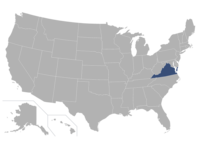
Richmond, VA