Nitrogen soil sampling project expands to Des Moines, Cedar Rapids watersheds
Aug 25, 2026 | 5:32 pm ET
Description
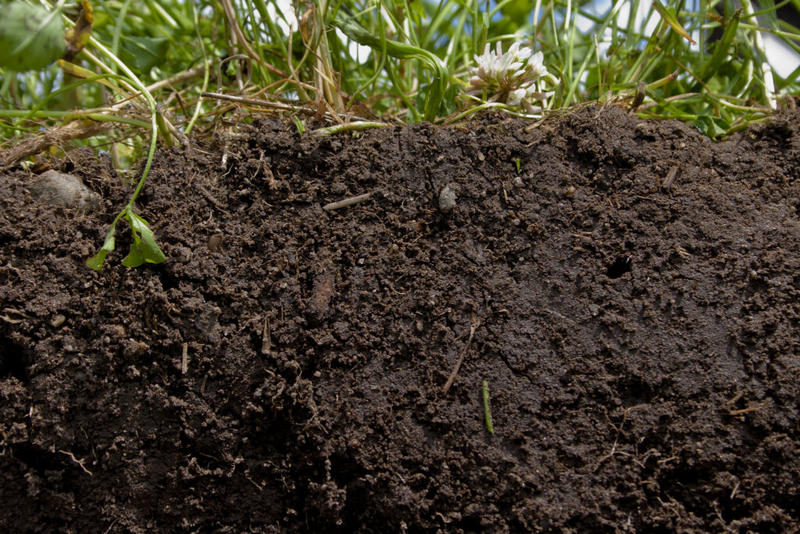
Iowa farmers in 26 counties can participate in a free nitrogen soil sampling project. (Photo by Catherine Ulitsky/ USDA-NRCS )
Farmers in the Greater Des Moines Watershed and parts of the Middle Cedar Watershed can participate in a free nitrogen soil sampling project that could help refine fertilizer application rates and contribute to water quality improvements.
The Iowa Department of Agriculture and Land Stewardship announced Tuesday it had expanded the Nitrogen Soil Sampling Project, with the Iowa Nutrient Research & Education Council, or INREC, to include all 22 counties in the Greater Des Moines Watershed and four counties in the Middle Cedar Watershed.
Farmers who enroll in the program are expected to share information on nitrogen management, crop rotation, manure application, cover crop history and post-harvest information over the three-year program.
Data collected from the program, according to an IDALS news release, will be shared anonymously with Iowa State University researchers to help “refine” the Iowa Nitrogen Initiative N-Fact tool which helps farmers nail down nitrogen application rates.
Iowa Secretary of Agriculture Mike Naig said a soil sample represents a “snapshot in time.” The multi-year project is meant to “track patterns” to better understand how variability in weather and growing season conditions impacts residual soil nitrogen.
“When the soil sampling data is coupled with the N-FACT tool, farmers can make more informed fertilizer management decisions to minimize costs while maintaining yields and delivering water quality benefits,” Naig said in the release.
The program initially launched in April and “filled up quickly,” according to IDALS. The Tuesday announcement doubles the project capacity for fall, which INREC Executive Director Ben Gleason said is a “crucial window” for soil testing.
“Field data from this program helps farmers assess their nitrogen management and informs decisions when planning for next year’s crop is underway,” Gleason said in the news release.
A more accurate measure of soil nitrogen helps farmers apply the right amount of fertilizer to their fields, which in turn helps to reduce the amount of excess nitrogen that runs off of the field and down a watershed. The targeted watersheds are upstream of the Des Moines and Cedar Rapids metro areas.
According to the news release, the goal of the free program is to collect samples from 250 farm fields. Eligible counties include: Audubon, Benton, Black Hawk, Boone, Buena Vista, Calhoun, Carroll, Clay, Dallas, Dickinson, Emmet, Greene, Grundy, Guthrie, Hamilton, Hancock, Humboldt, Kossuth, Palo Alto, Pocahontas, Polk, Sac, Tama, Webster, Winnebago and Wright.
Farmers can enroll in the project online ahead of the fall soil sampling season.
Des Moines, IA