Dozens of threatened plant and animal species could gain state protection in Georgia
Aug 25, 2026 | 6:21 pm ET
Description
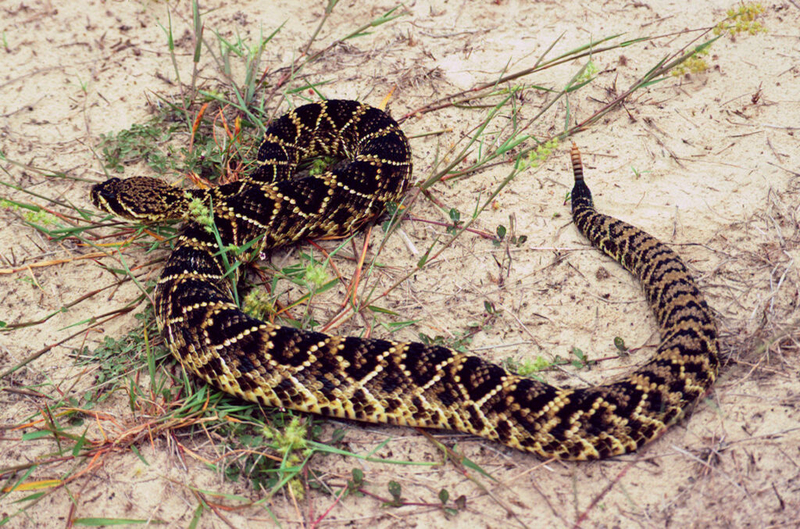
The eastern diamondback rattlesnake is the longest rattlesnake in the world and its home turf includes southern Georgia. It's one of 145 new species that could be added to a list of protected species in the state. Georgia Department of Natural Resources
Georgia is set to update its list of protected plants and animals for the first time in two decades, and the number of protected species is set to grow by more than 100.
On the bright side, 40 species were removed from the list because survey data showed their populations have recovered. On the not-so bright side, 145 new species were added to the list for the opposite reason.
The state Board of Natural Resources reviewed proposed changes to the list Tuesday and are expected to vote on them in October.
It’s a misdemeanor to intentionally harm protected animals or remove plants from state lands without a permit or from private land without the landowner’s permission.
The threatened critters range from the fuzzy to the slimy to the chitinous. The list includes mammals like the hoary bat and eastern spotted skunk, birds such as the red-cockaded woodpecker and whooping crane, and reptiles like the eastern diamondback rattlesnake and Suwannee alligator snapping turtle.
Georgia Wildlife Federation President Mike Worley said revising the list for the first time since 2006 will help Georgia conservationists update their plans for modern times.
“We’re at 11-plus million people in the state of Georgia now,” he said. “We continue to press our suburbs out. We continue to press our urban areas out and absorb more of the rural space and the wild spaces, and we’ve got to figure out ways that we can all coexist.”
Worley added that adding protection at the state level can help species recover before they are placed on the federal endangered species list.
The proposed changes to the list would also carve out a new exemption for sellers of native plants.
It would allow for the sale of 39 protected plant species without a permit from the Department of Natural Resources so long as the plants are harvested from cultivated stock and not collected from the wild.
“We have a growing native plant industry in Georgia, and we’re really glad to see more native plants getting onto the landscape, and right now it’s burdensome,” said Trina Morris, the Department of Natural Resources wildlife conservation section program manager.
“We have to issue permits, and the plants have to have tags to make sure that they were not harvested from the wild and sold for profit. We have a lot of these plants in existing horticultural stock that are regularly sold, and we want that to continue to happen.”
Carolyn Rader with the Georgia Botanical Society said horticulturists once imported non-native plants such as Liriope, also called monkeygrass or lilyturf, which is now considered a nuisance by many.
“I know in my neighborhood, I’m constantly having to dig out Liriope and all that kind of thing,” she said. “The more we can actually encourage the nurseries to stock our native plants, it’s better for our pollinators, it’s better for our ecosystem health, and all of the above.”
A public hearing on the proposed list is scheduled for 7 p.m. on Sept. 8 at the Wildlife Resources Division Headquarters Office in Social Circle, and Georgians can also submit comments by email at [email protected] using the subject line protected species list.
Atlanta, GA