What really happens in murder investigations? Here’s a fictional take from my experience in SC.
Aug 25, 2026 | 10:15 am ET
Description
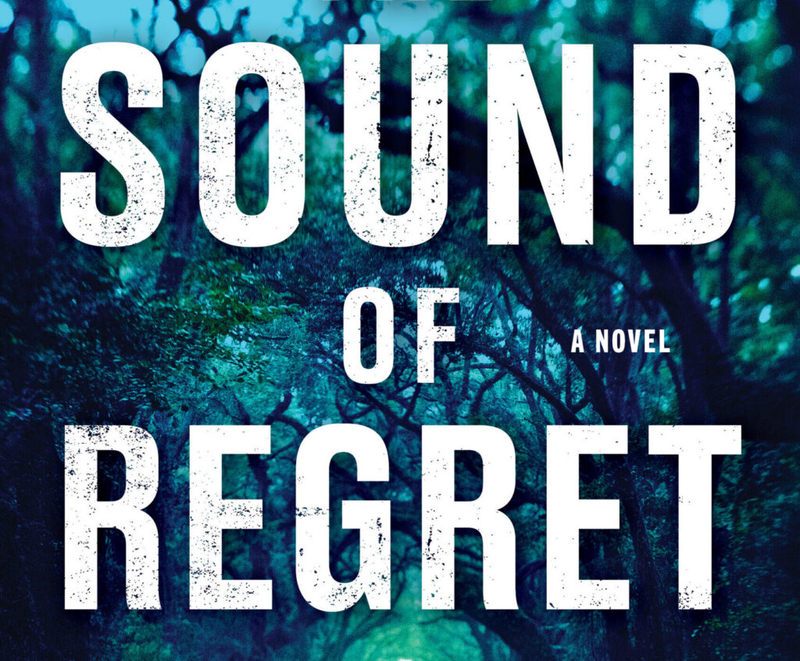
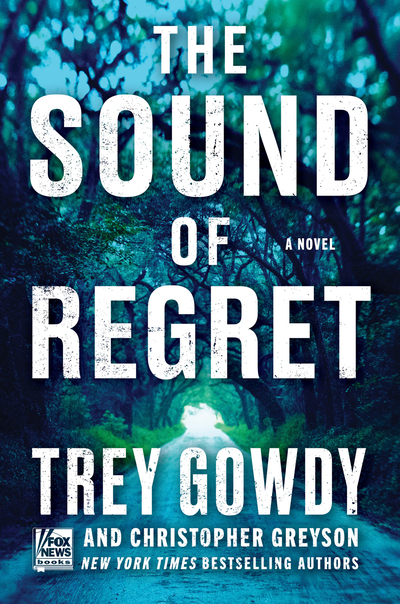
Trey Gowdy's book, "The Sound of Regret," is a fictional story but reflects his experiences with the criminal justice system in South Carolina. (Book cover photo courtesy of FOX News Books)
Prosecutors and law enforcement agents have enormous powers and how those powers are exercised can have life and death consequences for others and themselves.
In “The Color of Death” readers and listeners witnessed up close the relationship between prosecutors and the victims of crime. It is a unique relationship forged through grief, anger, and pain.
There can be no higher calling than to speak up for those too scared, too young, too injured, or too dead to speak up for themselves. Closure is a myth. There is no closure for those victimized by violent crime.
The criminal justice part of processing victimhood does have an end point or a final disposition, but the residue lingers for the remainder of their lives. Being the victim of a violent crime or having someone you love victimized is tantamount to your own life sentence in a different kind of prison.
My mother was a victim advocate at the local district attorney’s office for part of my time at home. Her job was to keep victims and/or their families informed of all court proceedings and to seek their input as to the disposition of the case.
I vividly recall her lamenting that someone charged with a crime can pick “the best criminal defense attorney money can buy but the victim of crime is stuck the prosecutor assigned.”
That word “stuck” did in fact stick with me during my career in prosecution.
If your government is going to assign someone to litigate what could very well be the worst or even final moment of your life, you should have someone who is talented, prepared, and hard-working advocating on your behalf.
The system also requires fairness even amid being an advocate.
As the Supreme Court of the United States so aptly put it in 1935: a prosecutor is entitled to strike hard blows but not foul blows.
And this led to the sequel for “The Color of Death” which goes on sale Tuesday and is titled “The Sound of Regret.”
In this continuation of the characters from the first book, characters Belle, Bones, and Colm are facing new challenges and threats while still trying to solve the ones from yesteryear in the Upstate of South Carolina spanning from Spartanburg to Lake Jocassee.
The “Sound of Regret” is also a stand-alone psychological crime drama with its own twists, turns, and surprises. You do not have to have read “The Color of Death” to enjoy “The Sound of Regret,” but if you did read the first novel you know there were many strings left untied.
Imagine being a young man, and your choice is to spend the next couple of decades in prison or cooperate and spend the next couple of decades being labelled a “rat” or a “snitch” and looking over your shoulder for retaliation.
Those conversations are real and raw, which is why I wanted to highlight how our criminal justice system works in the real world. It’s starkly different from what is typically portrayed in movies and miniseries.
I’ve had those conversations with young men and their parents and seen the consequences, including death, firsthand.
Colm Truesdale is the prosecutor who interacts with these witnesses and informants. The young men have committed drug crimes but not crimes of violence. “The Sound of Regret” tells the real story of how our criminal justice system works — the good and the bad — and how the truth can sometimes set you free and sometimes end your life.
Colm is trying to chase a killer while also being chased himself by a ghost from his past — a ghost he cannot see because he prosecuted so many people and you never know the ones who will resort to revenge or retaliation. Hint: it’s never the ones you suspect.
Belle is in law school and embarking on two innocence projects of her own. She is trying to absolve Colm of the guilt he feels from the passing of his wife and young daughter while also trying to determine whether a serial killer in fact committed the crimes as alleged.
Bones is right at home — in the middle of the action — and bending the rules to reach his own verdicts.
After 16 years as a prosecutor in both state and federal court, these stories draw on the lessons learned and the mistakes made handling thousands of criminal cases.
While fictional, these murder mysteries could very well be real. This book certainly gives readers or listeners an authentic look at the complexities of criminal investigations and prosecutions coupled with the question hanging over many violent crimes, which is “why”?
We are all fascinated by the “why.” Why do people do what they do? What motivates them and are we wasting our time trying to understand or make sense of the unimaginable?
“The Sound of Regret” will take you on an authentic trip through what really happens during murder investigations and, as with “The Color of Death,” I am always interested in when and how the reader or listener figures out what actually happened and who did the deed.

Columbia