Protect care at home for North Carolina families
Aug 24, 2026 | 6:00 am ET

Description
A caregiver places a reassuring hand over a patient’s hands. (Photo: Hxyume/Getty Images)
Most people picture a doctor’s office or emergency room when they think about healthcare. But for thousands of North Carolinians, the most crucial care happens in the comfort of their home.
Medicaid home and community-based services (HCBS) allow those with disabilities to receive essential care in their own homes, rather than in an institutional setting like a nursing home or inpatient rehabilitation center. This enables them to live independently, pursue their goals, and remain engaged in their communities.
As a 33-year-old woman who lives with cerebral palsy, I have received home care for the past 20 years and receive services through North Carolina’s Community Alternatives Program for Disabled Adults (CAP/DA). For nine hours a day, four days a week, my home health aide, Rhonda, assists me with everyday activities, from getting out of bed to accompanying me to the doctor.
This support is crucial. Home care allows me to focus on my future instead of constantly worrying about my health. My care team helps me catch health problems before they become emergencies requiring hospitalizations. Because Rhonda’s care helps me stay healthier in my own home, I feel more connected with my loved ones and better able to pursue my passions.
Today, I am pursuing a degree in hospitality and tourism at North Carolina Central University, working toward my goal of a career in event planning. My mother has been able to return to work instead of being my primary caregiver. This freedom has been transformative for my family and me, and it’s the result of care at home. None of this would be possible without Medicaid.
While services provided under Medicaid are scrutinized by policymakers in Washington, my story reflects what HCBS looks like for countless Americans. It enables people with disabilities to pursue their education, maintain careers, and engage with our communities. Not only does this strengthen our independence and dignity, but it also provides critical support to our families so they can continue working and spend more quality time with us.
Thankfully, North Carolina lawmakers have recently passed a funding increase for personal care services and the NC Innovations Waiver, which provides critical at-home care for those living with developmental or intellectual disabilities.
But even as our state takes steps to preserve access to care for individuals living with disabilities, I’m worried federal policy still threatens to put my care at risk. The One Big Beautiful Bill Act, passed last year, makes changes to the Medicaid program that will put new financial and administrative pressure on states, including North Carolina.
The law reduces federal Medicaid funding by nearly $1 trillion over ten years, making it more difficult for states to invest in HCBS like mine. That worries me because I’ve seen firsthand what this care makes possible. Without it, I wouldn’t be in college, my mom wouldn’t have been able to return to work, and so much of the independence I’ve worked hard to build could be put at risk. It also establishes strict work requirements that, while not intended to apply to most people with disabilities, could still create barriers to care. Even if those rules aren’t meant for people like me, I worry about what happens when states are forced to spend more time and money on paperwork instead of making sure people can actually receive care.
Together, these changes may cause hundreds of thousands of families to lose eligibility for home care services. When I think about that, I don’t just think about statistics. I think about families like mine. Without access to care, people may be pushed into facility-based care settings or forced to rely on family caregivers who might need to leave the workforce to care for their loved ones. For many North Carolina families like mine, that scenario is not sustainable.
Individuals with disabilities like me deserve better. We deserve the right to remain at home with proper supports.
I’ve always advocated for what’s right, and I don’t intend to stop now. I’m grateful that North Carolina lawmakers have invested in care at home. But with new threats to HCBS ahead, I’m calling on federal lawmakers to protect the delivery of home-based care, which is a lifeline for so many North Carolinians.
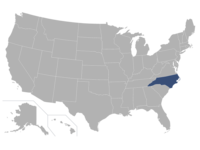
Raleigh, NC