Amid housing crisis, Maine mobile home residents make strides to protect themselves
Aug 24, 2026 | 5:03 am ET
Description
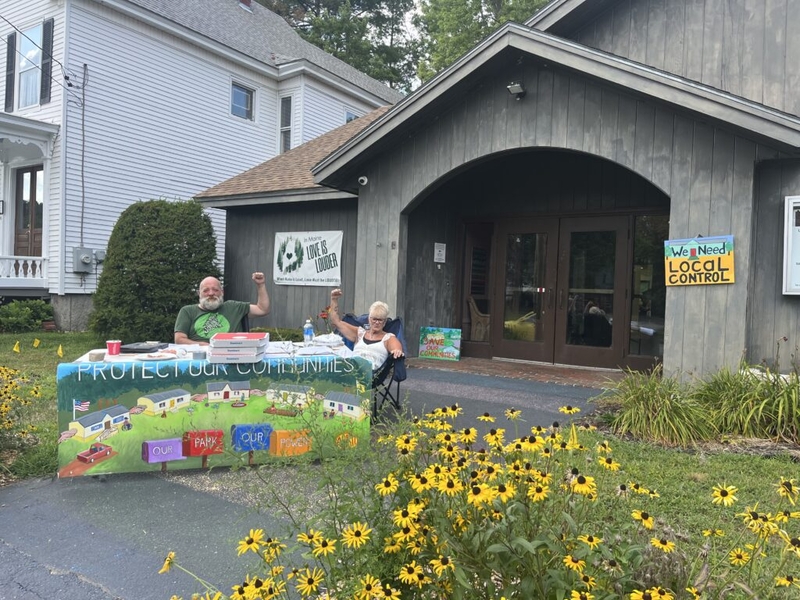
Augusta mobile home park residents gather signatures for a lot rent stabilization ordinance. (Photo courtesy of the Maine Labor Climate Council)
People who live in mobile homes in Augusta last week succeeded in gathering enough signatures to put a lot rent stabilization ordinance on the city’s November ballot. It’s the latest in a series of efforts by mobile home residents and the state to keep the homes affordable.
Residents in Augusta began meeting last fall as they struggled to handle rent hikes with many on fixed incomes through retirement funds, veteran benefits or disability, which is the case for Vanessa Decker, 65, who has lived in Riverside Drive mobile home park with her fiancé for about three years.
“The rent has gone up every year since I’ve been here,” Decker said, also noting that her property taxes and utilities have increased, too. “If I was by myself, I’d be screwed.”
Affordability is a concern for people in various types of housing across Maine, as a massive shortage in supply confronts stagnant wages, high building costs, and an influx of residents in part due to an increase in remote workers.
The state is on track to slightly exceed its annual goal of building new units, but new housing is largely concentrated in seasonal communities and affordable units make up just 13%.
While mobile home residents often own their physical homes, they have to rent the underlying land, leaving them vulnerable to skyrocketing monthly lot rents, especially when corporate or out-of-state investors buy parks.
In Augusta, where residents are aiming to pass the rent ordinance, there are eight mobile home parks with roughly 300 lots, but only three parks — or 25 lots — have ownership licenses registered in Maine, according to data released in a new dashboard by the Maine Office of Community Affairs.
The dashboard is intended to track housing needs and affordability, with insight on each of Maine’s 475 mobile home parks.
The average monthly lot rent in Maine is $479. The state currently has 19,348 lots, and 2,383 are unoccupied.
Maine has implemented several new laws in recent years to address the state’s housing shortage, including some of the nation’s strongest protections for mobile home park residents.
In 2023, lawmakers passed a law that requires mobile home park owners to notify residents of their intent to sell and give them at least 60 days to make an offer. In 2025, they passed another law that gave mobile home owners the right of first refusal to purchase a mobile home park if the owner intends to sell.
On July 30, the first resident buy out under that law occurred when residents of the Hidden Circle Mobile Home Park bought the park from its out-of-state owner for about $1 million. It was financed by donations from the Maine Community Foundation, the Brunswick-based Genesis Community Loan Fund, and the state’s Mobile Home Park Preservation Fund.
All the ways, big and little, Maine lawmakers tried to alleviate the housing crisis this session
The latter had been a temporary fund but became permanent through a law proposed by Sen. Cameron Reny (D-Bristol) that took effect earlier this year.
Administered by the Maine State Housing Authority, the law is funded by a fee of $10,000 per lot paid by certain buyers of manufactured housing communities or mobile home parks. State and municipal housing authorities, resident cooperatives and small companies and individuals with a net worth less than $50 million are exempt from the fee as a means to encourage small local businesses or residents themselves to own the parks.
Rising rents are not exclusive to mobile homes, Erik Jorgensen, senior director of government relations and communications for MaineHousing, said when testifying in support of the measure at the time. But apartment tenants have the option to move to a different or lower-priced unit. Options for mobile home owners are more limited, Jorgensen said, because “moving a manufactured home is at best, an expensive option, and at worst, impossible.”
During a celebration of the Hidden Circle Mobile Home Park purchase last week, Gov. Janet Mills said that the fund is expected to preserve more than 900 homes across six parks.
Another law passed this year made some changes to the 2023 law, limiting lot rent increases to once per year and making it easier to develop new homes in mobile home parks. However, another proposal for a large bond package, which included a pilot program supporting the construction of new homes in mobile home parks, failed.
The ordinance the mobile home owners in Augusta are pushing to get passed in November would not apply to resident-owned parks.
It would limit annual lot rent increases either to meet inflation or 3%, whichever is lower. But it would also create a process for park owners to seek higher increases when needed for major improvements or unexpected hardships.
City councilors will meet on Sept. 3 to formally approve the ordinance as a ballot measure.
“Getting this on the ballot in November gives me hope. It gives me hope that I’m not going to be priced out of my home,” Decker said. “We may have done the process and gotten it on the ballot, but the fight is not over yet. We need everyone to vote yes to keep our parks affordable.”
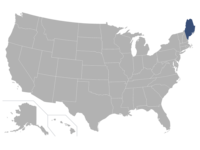
Augusta, ME