Hope For Revitalizing Banyan Drive Pinned On New State Agency
Aug 13, 2026 | 6:01 am ET
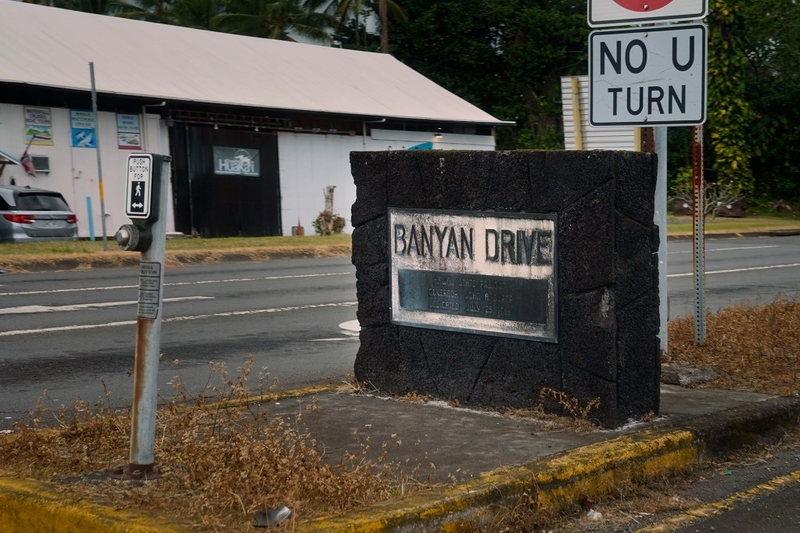
Description
Photo courtesy of Honolulu Civil Beat
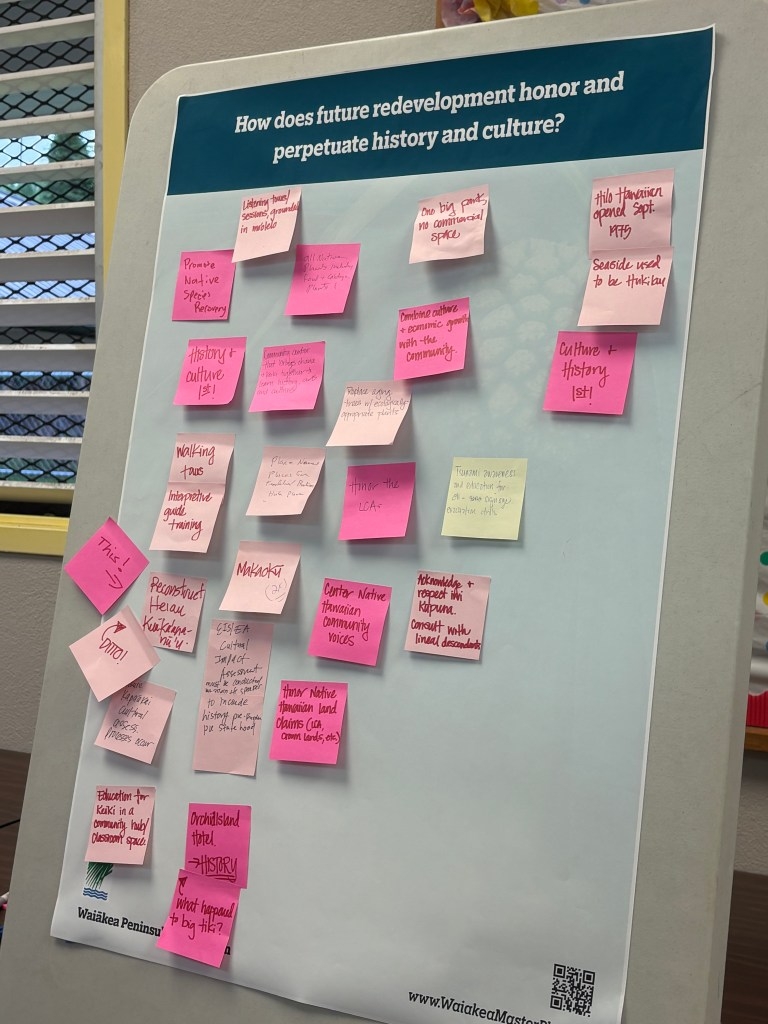
In a hot room next to a Hilo park on Monday night, Big Island residents scribbled on Post-it notes, writing phrases like “walking path,” “open access to shore,” “culture and history first” and “create more family space.”
They were asked to envision the future of Banyan Drive. The once-thriving peninsula full of bars, hotels and restaurants has long been in disrepair. The state is now one step closer to redeveloping Hilo’s only tourist center and the community has ideas for what it should look like.
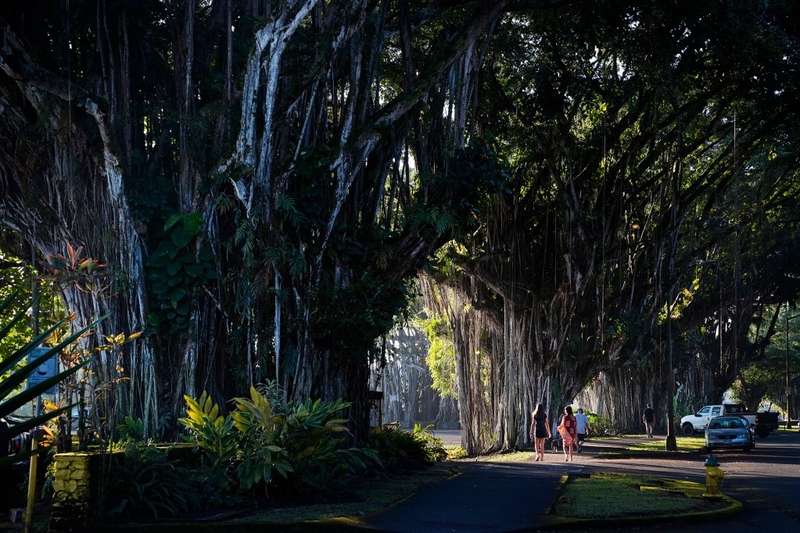
George Applegate remembers three different lives of the peninsula – when there were just 30 hotel rooms, when that number ballooned to the thousands, and now, with crumbling buildings, dying banyan trees and few people.
He wants a type of tourism in Hilo that allows the town to keep its old-school charm — Honolulu can have Waikīkī, he said. On Banyan Drive, Applegate envisions “development that can benefit the community.”
The state has most of the say when it comes to the future of Banyan Drive. The land under the hotels is ceded land, owned and managed by the Department of Land and Natural Resources.
But DLNR’s conservation mission is in direct contrast to economic development, legislators have long said. That tension has made conversations about redevelopment difficult and stalled progress.
Lawmakers hope that with a new agency, the state can finally begin breathing life back into the peninsula. In July, Gov. Josh Green signed Senate Bill 2001 into law, now known as Act 206. That created the Banyan Drive community development district and agency under the Hawai‘i Community Development Authority.
The agency will include the chairperson of the county’s own Banyan Drive Hawaiʻi redevelopment agency, a resident of the area, an owner of a local small business or nonprofit and a lineal descendant of the ahupuaʻa.
The state included $14 million in the budget to demolish the boarded-up Country Club Condominiums, which has become the subject of numerous police calls over the last five years. A bill to acquire the lease for the Grand Naniloa Golf Course, which many picture as the center of redevelopment, failed.
Keeping Up The Pace
Rep. Sue Keohokapu-Lee Loy has long championed revitalizing Banyan Drive since her time on the Hawaiʻi County Council and over the last two years as a state legislator.
“This is something we’ve wanted that many legislators in the past have tried,” she said. “We finally passed something, so I’m excited.”
Her first attempt to create a community development district during the 2025 legislative session failed. That bill would have transferred the lands from DLNR to HCDA, but DLNR objected. In testimony, they said her bill was premature and transferring the land would serve to erode the board’s authority.
In Act 206, that language was taken out. With a new agency and a board of residents in charge of developing Banyan Drive, Keohokapu-Lee Loy said transferring land isn’t necessary.
“DLNR, along with HCDA, they’re working well together,” she said. “So in the end, we technically got what we wanted.”
What Keohokapu-Lee Loy wanted, she said, is a slow, community-centered redevelopment. HCDA’s open house on Monday was one step toward that, she said.
Over two and a half hours, residents walked around poster boards highlighting the history and present of Banyan Drive. They spoke with HCDA representatives and filled out a survey to tell the state what they wanted for the future of the area.
“I’m absolutely fine to move at the pace the community wants,” Keohokapu-Lee Loy said. “The community is going to have to live with it.”
Most of the comments residents left were about opening up more space to the public, creating areas they can gather, and combining economic growth with Native Hawaiian culture.
Ideas ranged from restoring sacred sites, such as a heiau that once existed there, creating a community center and moving hotels for more shoreline access to keeping the 1960 tsunami clock and fixing the Coconut Island bridge.
John Kahiapo, a Hawaiʻi island resident, said he was excited to see all the different plans and community ideas for Banyan Drive. It's important that residents are a part of this process, he said.
“You got to connect with the community to do this,” Kahiapo said.
Monday’s open house was the first of many opportunities for the public to share their vision as the state creates a master plan for Banyan Drive. The plan is expected to be finished by mid-2027.
Honolulu, HI