Financial Literacy Is Required For Hawai‘i Grads. Are Schools Ready?
Aug 28, 2026 | 6:01 am ET

Description
Photo courtesy of Honolulu Civil Beat
At Pearl City High School, teacher Tammy Yoon is determined to teach students the basics of personal finance.
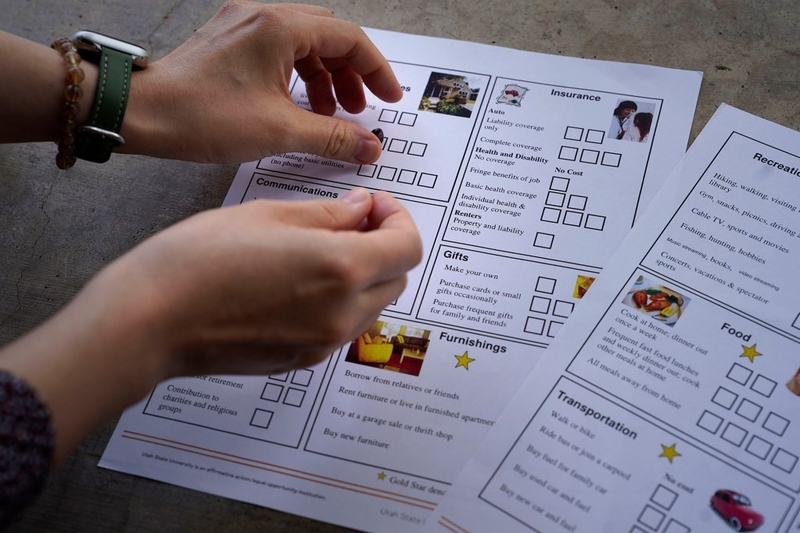
How to write a check. How to calculate interest on a car loan. How to run a cost-benefit analysis on whether to attend college. The students even study pay stubs and discuss why take-home pay is less than they might expect.
"What I think they like to do or learn is when they can apply it to themselves," Yoon said.
More Hawaiʻi teens will learn these lessons as the state education department adds financial literacy as a graduation requirement for the class of 2030, which just started its freshman year.
But the quality of those lessons may vary widely.
Some schools offer financial literacy as a stand-alone elective class, while others will incorporate lessons into existing classes or even assign online courses. The education department has developed program standards, but there are no training requirements for educators teaching these classes.
Some educators and lawmakers say the new requirement is a good start but have raised concerns about its implementation, questioning whether students completing online lessons will receive the same quality of instruction as those enrolled in a semester-long course. More than two dozen states require students to complete a stand-alone personal finance class to graduate, and more than 20 require teachers to hold relevant licenses or complete training to lead these courses.
Some advocates would like Hawaiʻi to follow suit.
"The argument we've been making is students in every school would benefit from this sort of robust financial literacy experience," said David Sun-Miyashiro, executive director of the advocacy group HawaiʻiKidsCAN. "So we were just concerned that the flexibility would basically codify unequal experiences across the system."
Others are calling for more training for teachers tasked with rolling out the new requirements. But the changes come as one of the state's largest centers designed to help educators teach financial literacy is set to shut down next month amid a lack of funding.
"It's really going to be on a case-by-case basis about how comfortable an individual teacher would be," said Gerard Dericks, director of Hawaiʻi Pacific University's Center for Entrepreneurship and Economic Education that will be shuttered next month. "A lot of teachers, I think, are kind of feeling left in the dark a bit on this requirement."
The Rollout
Danson Honda said he would have benefited from a financial literacy class when he attended Pearl City High School more than a decade ago.
Entering college, he said, he was determined to avoid student loans, so he took on credit card debt to cover living expenses – a decision he later regretted because of the high interest rates.
Honda was able to teach himself the basics of personal finance and investing through YouTube videos and was able to pay off his debt and purchase a house in Pearl City a few years after college. But the current generation of students, he said, shouldn't go through the same trial and error to understand money management and tackle Hawaiʻi's high cost of living.
"I saw firsthand just how quickly learning about finances can make a very meaningful difference in someone's life," Honda said.
Beginning with the class of 2030, students must document their financial literacy lessons through personal transition plans, which track their progress preparing for careers and college throughout high school. Students must complete a transition plan to graduate.
The flexibility with the new graduation requirement — be it classes or online activities — ensures all schools can offer some form of financial literacy regardless of their resources or class schedules, said Teri Ushijima, an assistant superintendent in the education department.
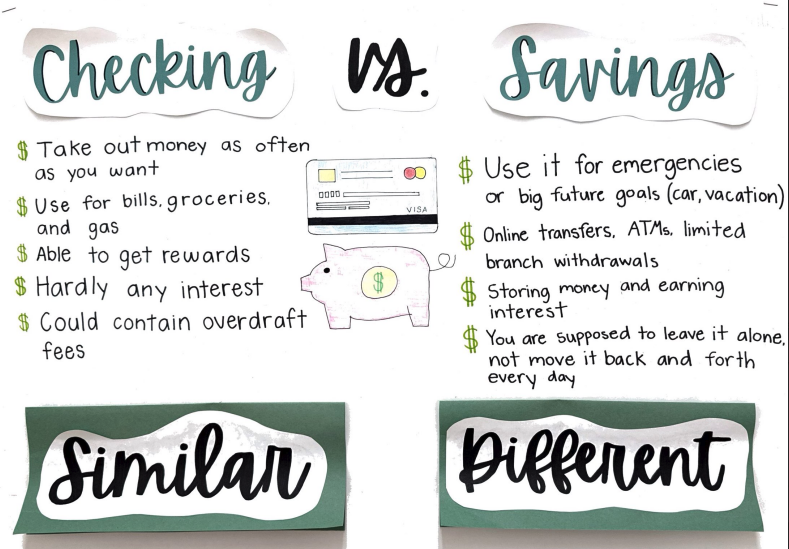
But schools will need to ramp up their offerings to reach all graduates by the end of the decade. Last year, 838 students – roughly 2% of the state's high school population – were enrolled in a financial literacy course. Just over 5,750 middle and high schoolers participated in free online lessons.
Even before the state added financial literacy as a graduation requirement, Pearl City High School has required its students to take a semester-long course in recent years, Yoon said. This year, she's using a new curriculum from the education department that includes online simulations. They walk students through different scenarios, like comparing different job offers or navigating career changes in Hawaiʻi's tourism industry.
At McKinley High School, curriculum coordinator Dwayne Sakaguchi is approaching financial literacy through an online program this year. It includes interactive games, flashcards and assessments for teachers to check students' understanding, he said. The school is piloting the modules with its older students before rolling it out to the class of 2030.
A Foundation Of Financial Knowledge
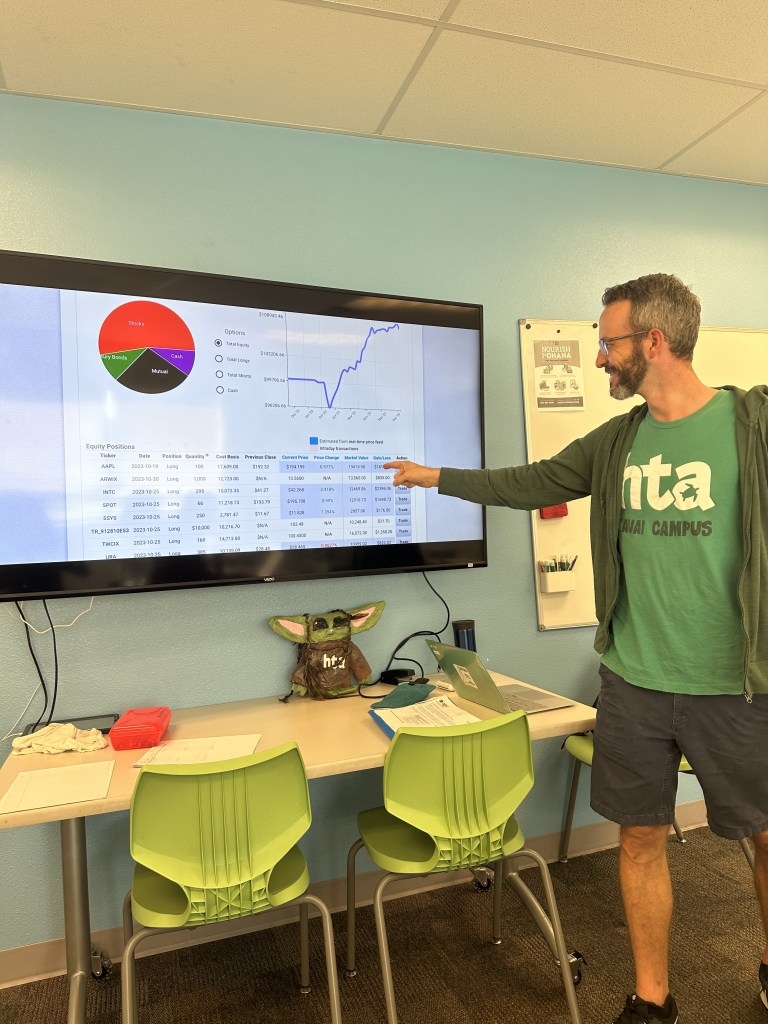
At Hawaiʻi Technology Academy's Līhuʻe campus, students in Paul Schmitz's financial literacy class research tuition at their top colleges, calculate interest on student loans and build budgets covering expenses from car payments to grocery bills. Later on, they're tasked with investing an imaginary $100,000 in the stock market.
The stand-alone course at the Kauaʻi charter school allows students to dive more deeply into the material and understand how it impacts their lives, Schmitz said. Some of his students go on to inherit a family business or start companies of their own, he said, so it's important for them to have good foundations in finance before graduating.
Other educators and advocates agree. Guanlin Gao, director of Chaminade University's Economic Education Center for Excellence, said incorporating financial literacy into students' personal transition plans is a good way to introduce the new requirement. But ultimately, she would like all Hawaiʻi schools to have a stand-alone class.
"Economics and personal finance, both of them, is actually not something nice to have, but something actually people have to have," Gao said. "We learn the easy way at school, or we learn it the hard way in life."
Earlier this year, lawmakers passed a resolution asking the education department and state education board to update their graduation requirements to include a stand-alone financial literacy class. At the time, lawmakers raised concerns that schools would teach financial literacy inconsistently because of vague guidelines from the education department.
While lawmakers have pushed for a financial literacy requirement for more than two decades, they wanted the curriculum to be a core part of students' learning instead of integrated into other classes or taught through an online class, Senate Education Chair Donna Kim said in an interview.
"It just doesn't meet the level of the need for our students when it comes to financial literacy," she said.
The public may have the chance to share their thoughts on embedding financial literacy more deeply in schools as the education department revises its graduation requirements over the next year. The department needs to take community feedback into account and analyze how a new course requirement could affect schools' schedules and availability of qualified teachers, Ushijima said.
If the state education board approves new graduation requirements, they are expected to take effect in the 2028-29 school year.
More Training Needed
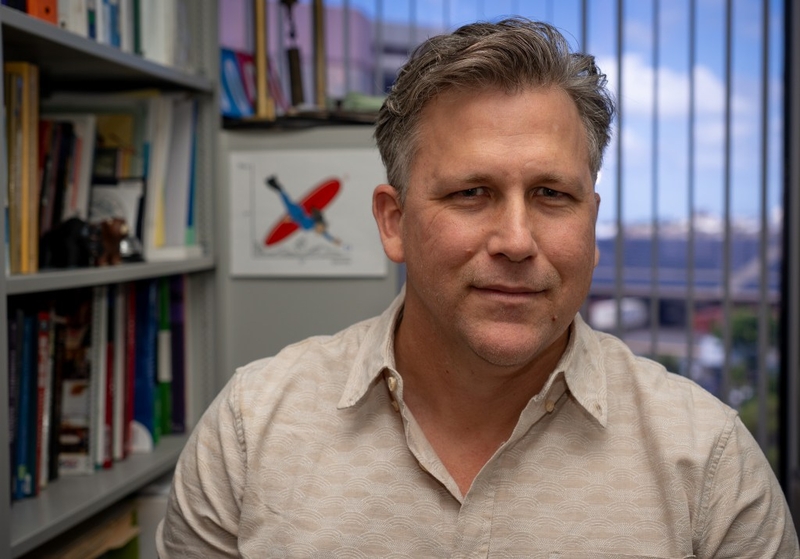
More than 2,000 teachers have taken HPU’s professional development class on economics in the last four years, Dericks said. The course covers topics from inflation and taxation to high housing costs, relating the issues to Hawaiʻi's history and economy.
But the center was initially funded by donations, Dericks said, and the money is running out this fall. He ran his last training for teachers last month, and the center's final day is scheduled for Sept. 21.
With the center's closure, Dericks said, he's worried about the professional development available for educators as more are expected to teach financial literacy classes.
"I've got a powerful ability to reach teachers and a good reputation," Dericks said. "I think I'm a valuable resource."
While some educators say they feel comfortable teaching financial literacy with little training, others say professional development is crucial. At Baldwin High School on Maui, teacher Katt Sekiguchi said she knew little about personal finance before taking Dericks' course, which has helped her feel more confident discussing topics like housing costs with her students.
"I jumped to his class when I saw it," Sekiguchi said. "That's a loss, really."
Other professional development opportunities are still available, including a free course offered through Chaminade University that also covers personal finance and economics. So far, that course has trained over 150 teachers since 2022, said Gao, director of the university's economic education center.
But Chaminade's training program also faces financial constraints, Gao said, adding that she's looking for ways to sustain the center's work. The center currently has enough funds to train 30 teachers at a time, she said, but there's been times when demand exceeds that.
"The need is definitely peaking up," Gao said. "There's going to be more and more requirements on teachers, and teachers will need support."
Honolulu, HI