The data center fight in Kentucky is about democracy
Aug 10, 2026 | 5:30 am ET
Description
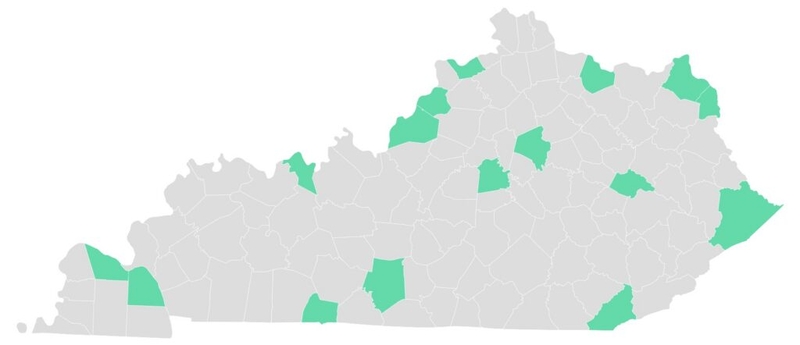
This map shows proposed hyperscale data centers across Kentucky. (Screenshot)
In a state short of jobs, outsiders promising big investments typically receive a red-carpet welcome from Kentucky public officials. That was no doubt the expectation when Big Tech companies began scouting data center locations in the commonwealth. But when the trickle of interest became a flood, and when the proposals swelled from small data centers to massive hyperscale complexes, concerned residents began speaking out.
Now, at least 30 Kentucky counties have put in place ordinances or moratoria on new data centers. Local officials may have lost their seats over supporting data centers in the May primary elections. And Governor Beshear recently withheld praise for a $100 billion data center in Paducah, with his office citing concerns about energy costs, environmental impacts and fair taxation.
Americans rarely agree on much, but there is sudden, shared anger about data centers across the political spectrum. What’s this shift about?
One source is widespread frustration with the impacts of Big Tech on society. Many rightly believe that the largest corporations in the world are stealing our data, surveilling our lives and addicting our children. Tech CEOs proudly predict that artificial intelligence will eliminate many jobs while also admitting AI has a chance of ending humanity.
And people understandably seethe at the lack of accountability and transparency when it comes to data centers, whose developers use backroom lobbying and non-disclosure agreements with local officials to keep the public in the dark.
The anger is also about affordability. Frustration with the cost of living makes Americans concerned about anything that can make utility bills rise further. Kentuckians are already paying more for electricity because our utilities buy energy from the regional supplier PJM whose charges are billions of dollars higher because of data centers.
And when it comes to potential harms to air, water and quality of life, Kentuckians have ample experience with powerful corporations damaging human health and the land with impunity.
Kentuckians have also been burned by companies like Braidy Industries and AppHarvest that made big promises and received public money before they flopped. The state doesn’t need to lure data centers with tax breaks. Cheap land, plentiful water, low electricity prices, central grid access and favorable climate make Kentucky a prime location already. Nevertheless, in the waning hours of the 2025 legislative session, state lawmakers gave data centers a massively lucrative sales tax exemption on the purchase of equipment. And then in 2026, lawmakers failed to pass legislation that could keep data center utility costs from being shifted to residents.
The 2025 tax break will last 50 years and could easily cost billions of dollars if given to just a few hyperscale centers in Kentucky. And at the same time data centers are promising local tax benefits for communities, their lawyers are seeking to get those taxes reduced or eliminated as well.
While AI will no doubt play a significant role in society, some question the transformative vision touted by tech billionaires. The build-out of data centers is fueled by debt and rivals the size of the interstate highway system and the Space Race. But the profitability of AI at that enormous scale is unproven. A bubble in AI stock prices could leave communities with stranded energy systems to pay for and a repeat of the dot-com bust of 2001.
As always, Kentuckians want and need jobs. Data centers offer significant short-term employment in construction even while their long-term jobs are few and of lower quality.
But Kentuckians may finally be fed up with the promises of faraway developers and their backers in the Bluegrass. We’ve been told to accept whatever comes and assured that the benefits will trickle down. We’ve been told that creating a good “business climate” is all that matters — even if it means profits on the backs of workers, communities and the places people hold dear.
Maybe what Kentuckians are asking for is economic development on their terms. Sounds like a true democracy, and what a fine idea that could be.

Frankfort