Across Utah’s biggest congressional district, ‘rural’ means different things
Oct 27, 2026 | 7:02 am ET
Description
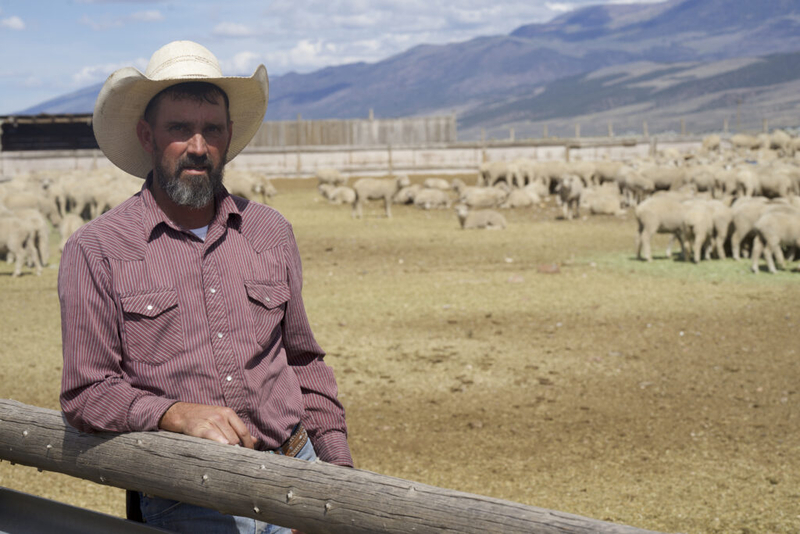
Sheep farmer and Republican Piute County Commissioner Will Talbot said in September he thinks Southern Utah on the whole "has a different theory on life than people in Park City do.” (Hugo Rikard-Bell/KUER)
Editor’s note: This story is part of We Vote Utah, a partnership between KUER, PBS Utah and Utah News Dispatch to cover Utah’s 2026 elections.
Representing Utahns in the state’s most sprawling new congressional district is a job that’s hard to imagine even for veteran political scientists — and not just because of all the driving involved.
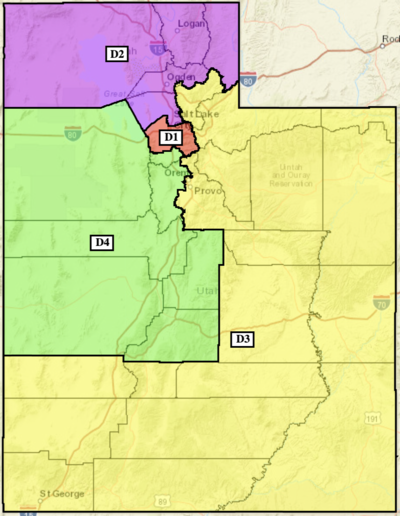
Utah’s 3rd District covers more than half the state, stretching from the slopes of posh Park City down to Provo and the remote Four Corners region. It also cuts across dozens of farming communities to the boomtown of St. George, and includes all five national parks in Utah.
“The difference in geography, the difference in climate, the difference in populations — it’s really hard to fathom all that you would have to know to be representing the district,” said Mary Weaver Bennett, director of the Michael O. Leavitt Center for Politics and Public Service at Southern Utah University in Cedar City.
“I have to think you’d have to be a jack-of-all-trades, and you have to have knowledge about every single issue — rural and suburban and urban-adjacent,” Weaver Bennett said.
Six candidates running to lead the newly drawn, heavily Republican district dotted by Democratic communities say they’re up for the challenge.
Incumbent Rep. Celeste Maloy, the Republican now representing Utah’s current 2nd District, faces Democratic challenger Kent Udell, Libertarian Michael Stoddard, Cassie Easley of the Constitution Party, and unaffiliated candidates Adonis Hooslyn and Ayden Scott.
Political science professor Damon Cann at Utah State University said whoever emerges the winner in the Nov. 3 election will need to build strong relationships across varied communities as they face “a lot of different — and at times divergent — needs to be considered in representing this new district.”
In the run up to the election, voters and local government officials across the district shared the Utah issues they want to take precedence in Washington, D.C., and the reservations they have about living in one of the nation’s most expansive congressional districts.
Candidates for Utah’s 3rd Congressional District clash on national monuments, nuclear energy
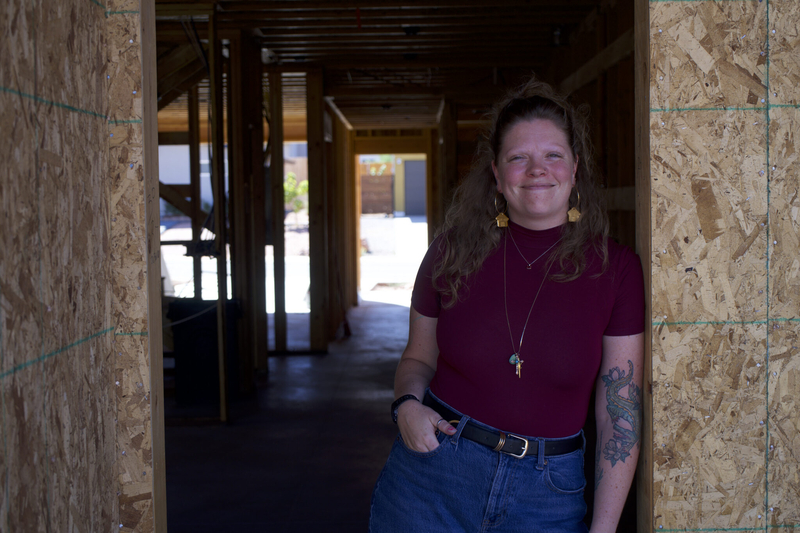
The new map is the product of a court-ordered redraw. In left-leaning Moab, City Councilmember Kaitlin Myers said it changes the dynamic, telling KUER that “rather than working together as a district with the same goal, we’re having to kind of compete for resources.”
Myers said involving the federal delegation is key given that Arches and Canyonlands national parks lie just beyond Moab’s borders, and that the vast majority of surrounding Grand County is federally managed public land. Decisions Congress makes about federal lands directly affect the city’s economy, she said.
She points out that while the district is considered to encompass most of rural Utah, the needs of a rural community such as her own, compared to Montezuma Creek in San Juan County or Cedar City in Iron County, vary widely.
“But by lumping them in, I think it just dilutes the ability for a legislator to be able to actually represent the challenges of that district,” Myers said.
Roughly 200 miles west of Moab, sheep farmer and Republican Piute County Commissioner Will Talbot agreed.
“When you really put the math to it, it would be nicer if that was chopped up — have a little more representatives, you know?” Talbot said in an interview with KUER as his sheep bleated nearby. “I think Southern Utah has a different theory on life than people in Park City do.”
Talbot is focused on public lands policies he said amount to overreach, the devastation of the 2025 Monroe Fire on ranchland, and the trouble many in his county have trying to make ends meet.
Not least of his concerns is rising gas prices.
He expects the lambs he’s raising to fetch a historic price this year, “but it’s really not a record price when you buy diesel fuel and everything that goes into these,” he said. “It’s not balancing out.”
Talbot said funding through the U.S. Department of Agriculture’s National Resources Conservation Service has helped pay for water and fencing projects that have kept farmers in the region afloat, but in the last two years, it seems to have shut down.
Hundreds of miles to the north in Heber Valley, dairy farmer Russ Kohler surveys his cattle as he walks through his red milking shed. He said funding from the agency has also been critical to keeping his farm operating as many around him have sold for real estate development, and he wants to see it continue.
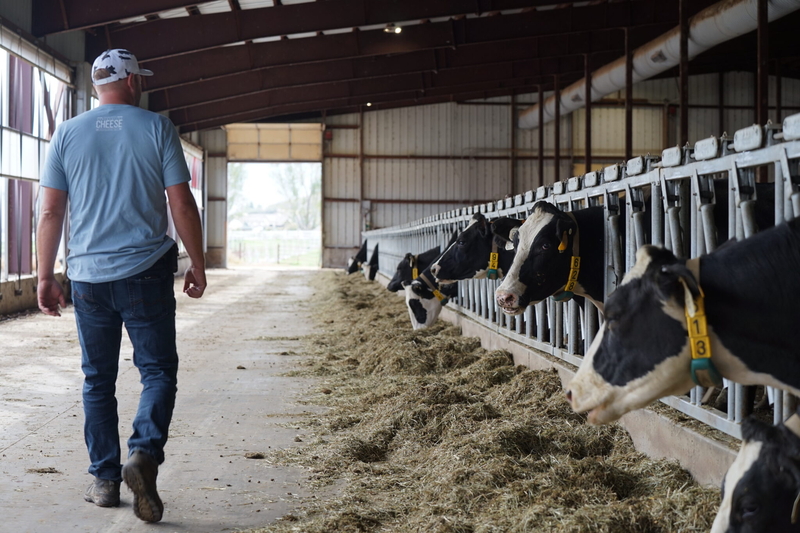
A generation ago, the valley counted more than 130 dairies, he said. Now it’s down to two.
Kohler notes his concerns — primarily on the cost of hay and pricing for milk — vary from those of ranchers in Southern Utah, who are zeroed in on matters of grazing on public lands and the fallout of massive wildfires.
“So even within the same demographic within that congressional district, we might have different needs,” Kohler said. “So I do think it’s going to be a big challenge for whoever fills that seat to be able to meet the needs of everybody.”
Another part of the job: planning for the 2034 Winter Olympics, with events set to take place in Summit County.
“It shouldn’t take away from rural issues and land issues and other issues, and a good representative would take that on as an extra responsibility,” said Weaver Bennett, at SUU.
It’s not all competition between the district’s diverse communities. Weaver Bennett foresees broader uniting forces, such as water scarcity in Utah’s persistent drought and opposition to new data centers. And with Park City’s winter sports haven and Utah’s “Mighty 5” national parks now within the same congressional boundary, tourism issues might see some extra firepower.
Cann agrees travel and tourism are key. But with just one representative in Congress for such vast stretches of public lands and communities surrounding the national parks, representation on those issues is diluted, he said, because the other districts “just don’t have the same scope of interest and investment.”
To meet with whoever’s elected to the job, Utahns may need to set aside time and gas money.
There’s a fixed budget for House field offices and for constituent services, Cann said. And the district’s representative will serve three corners of the state and 18 of its 29 counties, extending to the borders with Arizona, Colorado, Wyoming and Nevada.
“There’s just a lot of geography to cover,” Cann said.
Salt Lake City, UT