Don Lemon challenges constitutionality of FACE Act in legal defense of church protest charges
Aug 07, 2026 | 5:47 pm ET
Description
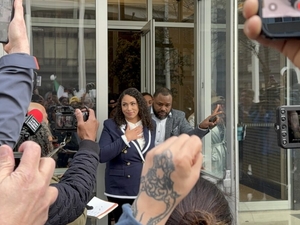
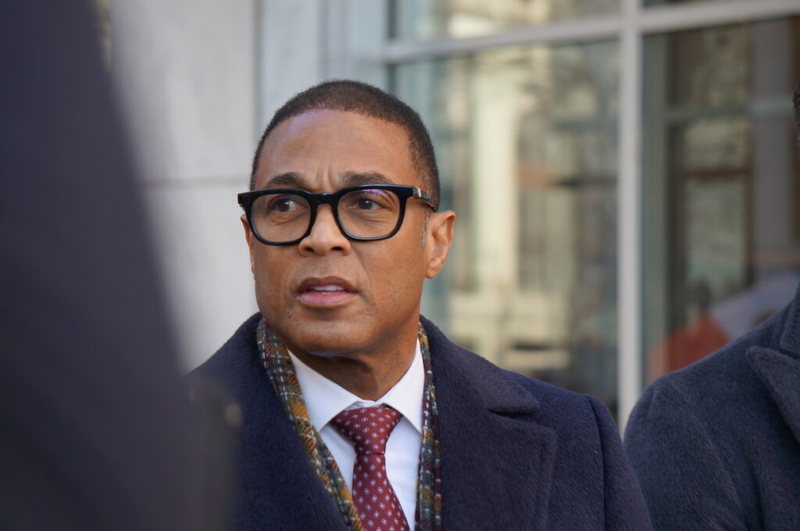
Independent journalist and former CNN anchor Don Lemon exits the Warren E. Burger Federal Building and U.S. Courthouse in St. Paul, Minn. on Friday, Feb. 13, 2026. Lemon pleaded not guilty to federal charges stemming from his coverage of a protest against a pastor and ICE official at a St. Paul church in January. (Photo by Alex Baumhardt/Minnesota Reformer)
Independent journalist Don Lemon is challenging the constitutionality of a law underlying federal charges against him stemming from a protest against an immigration official inside a St. Paul church. If Lemon prevails, the ruling could have far-reaching consequences for a law aimed at protecting access to abortion clinics and houses of worship.
Lemon, a former CNN anchor who now has a YouTube show, was indicted along with three other journalists who covered a protest on Jan. 18 at Cities Church, where a pastor, David Easterwood is also a U.S. Immigration and Customs Enforcement official. (Easterwood was not present at the service.)
The charges against journalists — pursued by the highest ranks of President Donald Trump’s Justice Department — represented a striking attack on the free press as the administration faced critical news coverage of the brutality of Operation Metro Surge, which had already led to the killing of an American citizen, Renee Good. (Minnesota Reformer joined a consortium of news organizations condemning the prosecution of journalists and filing a “friend-of-the-court” brief calling for dismissal based on First Amendment grounds.)
Prosecutors didn’t distinguish between protesters and journalists — including Lemon’s producer, Michael Beute, and Twin Cities independent journalist Georgia Fort — and leveled the same two felony charges against 39 people: conspiracy against the right of religious freedom at a place of worship and injuring, intimidating and interfering with the exercise of right of religious freedom at a place of worship.
The Justice Department’s response to Operation Metro Surge, including opening an investigation into Good’s wife, led to the resignations of career prosecutors — including former acting U.S. Attorney Joe Thompson, who is now representing Lemon along with prominent Washington D.C. defense attorney Abbe Lowell.
In three motions filed on Friday, Lemon’s attorneys argue the charges should be dismissed because his conduct is protected by the First Amendment, the federal government’s prosecution is “vindictive,” and because one of the laws cited is unconstitutional.
One charge comes from a 1994 law signed by President Bill Clinton called the Freedom of Access to Clinic Entrances Act — the FACE Act — which protects people’s right to freely access abortion clinics and places of worship.
The unusual pairing of abortion clinics and houses of worship is the product of unintentional bipartisanship. Democrats introduced the bill in response to a wave of militant protests and blockades of reproductive health clinics, and a Republican added protections to places of worship as a poison pill to doom its passage. But Democrats didn’t object.
Lemon’s attorneys focus their argument specifically on the provision concerning religious houses of worship. They argue the law oversteps Congress’ power because religious ceremonies are confined to private acts and don’t involve interstate commerce — unlike reproductive clinics, where patients, healthcare providers, and medical supplies travel across state lines for abortions. They also argue if the FACE Act is ruled unconstitutional, the other felony charge must be dismissed.
And yet, as Lemon’s constitutional challenge proceeds in court, it could expand beyond his attorney’s narrowly tailored arguments, said University of California, Davis law professor Mary Ziegler.
“(This argument) is taking a bigger shot at the statute than is necessary for him to get acquitted and one that could have unintended consequences,” Ziegler said, i.e., the reproductive health facility section of the law could also be ruled unconstitutional.
The law requires actual threats of violence or obstruction — locking the doors of the church or blocking entrances with a vehicle — and ample video evidence shows parishioners coming and going during the demonstration and Lemon interviewing the lead pastor, Jonathan Parnell.
Indeed, Fort’s attorneys did not challenge the constitutionality of the FACE Act in three motions for dismissal filed on Thursday, instead simply asserting her First Amendment rights and alleging vindictive prosecution.
Ziegler said, however, it’s the Trump administration that ultimately opened the door for challenges to the FACE Act by charging Lemon, saying that if his attorneys didn’t raise the issue another group likely would through a friend-of-the-court brief.
The FACE Act has seldom been used in prosecutions. Shortly after Trump began his second term, he pardoned activists who blocked abortion clinics, and the Justice Department announced it would curtail prosecutions of the offense.
The case has already been beset by a series of prosecutorial missteps, including mistakenly indicting a person who was never near the church, and falsely alleging a parishioner broke an arm in a search warrant.
U.S. Magistrate Judge Douglas Micko initially rejected charges against Lemon, and then-Chief Judge Patrick Schiltz and the 8th Circuit Court of Appeals declined the government’s appeals, leading prosecutors to pursue a series of legal maneuvers to secure grand jury indictments instead.

Saint Paul, MN