As Utah approves settlement with Rocky Mountain Power, advocates worry about transparency
Aug 07, 2026 | 7:04 am ET
Description
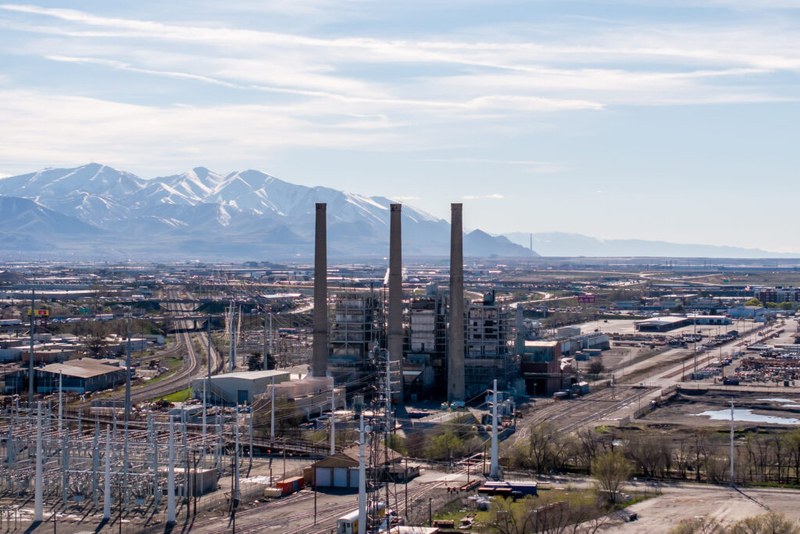
Rocky Mountain Power’s Gadsby Plant in the Fairpark neighborhood of Salt Lake City is pictured on Wednesday, April 3, 2024. (Photo by Spenser Heaps for Utah News Dispatch)
The Utah Public Service Commission has approved a settlement with Rocky Mountain Power, solving a rare rate increase proposal dispute that reached the Utah Supreme Court.
Many eyes have been following the controversy-filled process, including Utah’s top elected officials. That includes Utah Gov. Spencer Cox, who ended up switching his past pointed remarks against the utility’s proposal to an approving nod on social media, calling the settlement “an encouraging step for Utah families and businesses.”
Some advocates weren’t opposed to the agreement, saying there are good aspects of it and that it avoided a lengthy court fight. However, they remained skeptical about what was a more obscure approach to ratemaking.
“It’s not an ideal process, but it was a fairly unique situation with the Supreme Court appeal,” said Logan Mitchell, climate scientist and energy analyst at the nonprofit Utah Clean Energy. “And so I certainly hope that something like this doesn’t happen again in the future. It’s not a healthy process.”
Rocky Mountain Power’s Utah rate conflict may be settled with an additional 4.2% hike
Regular rate cases are thorough, long processes. The utility opens up its books, aiming to justify why an increase is needed and incorporates deep feedback from the public and advocates. But, after the Public Service Commission ordered a 4.7% increase in residential electricity rates last year — only about a quarter of the 18.1% that Rocky Mountain Power requested — the company that serves a majority of the state’s residents appealed to the Utah Supreme Court, and ended up proposing the settlement.
Now, general electricity rates will be 4.2% higher for Rocky Mountain customers, on top of the 4.7% hike the commission approved last year — though that won’t translate into higher bills for ratepayers this year because of other fee adjustments. The company also committed to not seek additional rate increases through 2028.
“During the settlement process, there were some negotiations that happened between some of the parties, but there were no transparent filings where we could go and look and see ‘are these new costs justified?’” Mitchell said.
The 4.2% additional rate increase the settlement enabled may be justified, and “it ended up in an OK spot,” he said. But the normal levels of transparency weren’t there.
Rocky Mountain Power disagrees with that, said Jona Whitesides, a spokesperson for the company, since this is the outcome of an already open rate case that went on for over a year.
“The amount that was settled on, and what that translates into a percentage was all filed publicly. Anybody was given an opportunity to file a written statement to that,” he said.
The fact that some decisions were made behind closed doors is also typical for rate cases, Whitesides said.
“You would have found redacted documents from the original rate case request back in 2024, as well as portions of testimony that were redacted as well. There are things that are considered contractual and confidential, and could have market impacts if they were disclosed,” he said. “And so, again, those things, which actually is a good thing for the consumer, because it ensures that you don’t have speculation on fuel costs, on electricity prices, things of that nature.”
However, the Office of Consumer Services acknowledged that it had received feedback from the public “emphasizing their preference for the standard process with more visibility into the details and more evidence on record supporting the outcome,” Michele Beck, director of the office said in a statement during the settlement’s public hearing.
“While I am not asserting any lack of propriety, the process followed this time would not be my preference on an ongoing basis,” Beck said. “However, I have analyzed the rates and other potential outcomes of this case with assistance of the analytical team of the Office of Consumer Services and we believe that the settlement is net beneficial for Utah’s residential and small commercial customers who we represent.”
$2.2 billion of investment
Another issue that sparked some skepticism among advocates was Rocky Mountain Power’s characterization of a $2.2 billion investment commitment through 2028 included in the settlement.
According to the testimony of Joshua Jones, vice president of asset management and business operations at PacifiCorp, some of the money is going to fund new connections for residential and small commercial customers, as well as asset replacements and system reinforcement.
Some of those are mandated, Jones said, like new connections and line extensions. However, things like system reinforcement or reliability are more discretionary. Without the settlement, Jones said during the hearing, the ability of the company to make such investments would depend on external factors, like the company’s credit status.
While Mitchell believes the commitment is overall a good thing, some of it covers investments the company was planning on making anyway, like transmission lines that have been in the works for years, and the construction of a Salt Lake City essential services building to replace aging facilities, which had already celebrated a groundbreaking last year.
However, some of those investments didn’t have a set timeline or could have been delayed, Mitchell said, so written commitment to them is positive.
“Our interest was really that you know we’re going to be spending this money and let’s make sure that we’re doing it in a smart way, and we’re thinking about where we need to be making upgrades that will be most cost effective and most beneficial to customers, and increasing our grid reliability the most. And I think that there’s not quite enough transparency around where those investments are going to be.”
Whitesides, the spokesperson from Rocky Mountain Power, said the company will have infrastructure needs regardless of the deal. However, the settlement supports the utility’s ability to execute them.
“These investments require access to capital and can’t be funded solely through internally generated cash,” Whitesides said.
The agreement creates a specific commitment to Utah infrastructure, he said, and it also establishes that Rocky Mountain Power will report back to the Public Service Commission about how the money was spent.
At this point the company doesn’t have a specific list of projects for the $2.2 billion fund, but it has committed to certain categories, Whitesides said. That may include projects Rocky Mountain Power has started in the permitting process, like new transmission infrastructure in Utah County.
Salt Lake City, UT