North Carolina high schoolers show improvements in mental health
Aug 07, 2026 | 6:01 am ET
Description
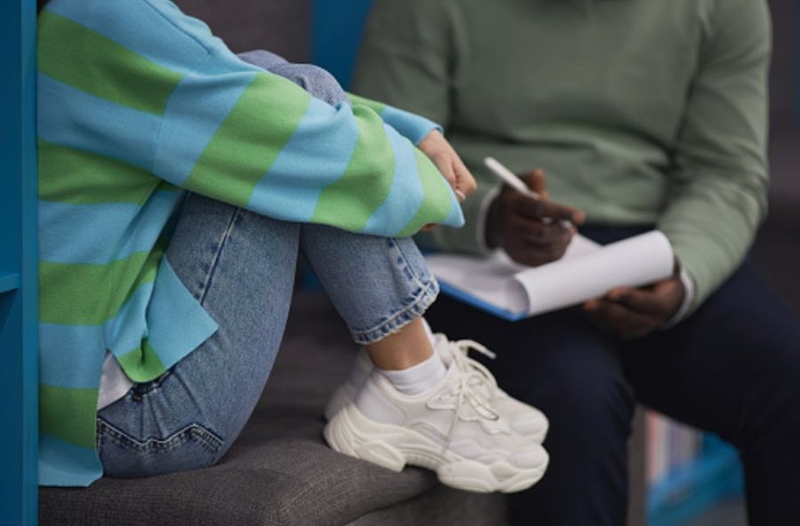
A new survey shows the mental health of North Carolina's high school students is improving, but experts say more investments are needed in school psychologists and social workers. (Photo: iStock/Getty Photo)
One of the most vexing problems caused by the pandemic was the toll it took on the mental health of young people. Students struggled with school closures, isolation from their friends, and the difficulties of remote learning.
But after years of focus on behavioral health, it appears that North Carolina high school students are doing better. That’s according to the 2025 North Carolina High School Youth Risk Behavior Survey, which was presented to the State Board of Education this week.
Researchers examined the responses from 1,692 students from 25 traditional public and charter high schools who voluntarily participated in the survey during the spring of 2025.
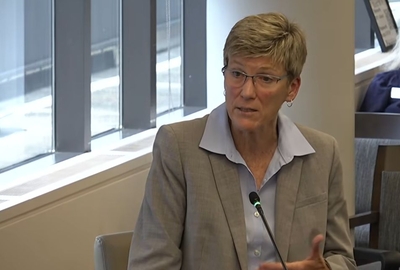
Dr. Ellen Essick, section chief for N.C. Healthy Schools in the state Department of Public Instruction, said the percentage of high schoolers who said they felt so sad or hopeless they stopped doing their normal activities for at least two weeks dropped to 29.7%.
“We’ve still got work to do, but it was good to see that drop from that high of 43% in 2021,” said Essick.
North Carolina also saw a double-digit decline in the percent of high schoolers who said they had seriously considered attempting suicide. In 2021, 22.3% of students said they had considered ending their life. In 2025, that number fell to 11.4%.
“This is the lowest it’s been in a 20-year period,” said Essick. “If we can address some of the needs before they get to a place of contemplating suicide, then I think that totally helps us in terms of how we support students.”
Fourteen percent of the students in this latest survey acknowledged needing mental health counseling, but did not get it.
Taking a deeper dive into the data, 56% of high schoolers who self-reported making Ds and Fs in school felt sad or hopeless, compared to 22% of their counterparts who said they made mostly As in school.
“We don’t know if poor grades came first and then the mental health issues came, or mental health issues contributed to poor grades,” said Essick.
Jill Camnitz, who represents northeastern North Carolina on the State Board of Education, said it was “heartbreaking” that almost two in 10 high-school students say they have poor mental health most of the time, with one in 10 considering suicide.
One in four NC teens experience depression. Can peer-to-peer support improve their mental health?
Social media and addictive substance use decline
“But I also put a lot of hope in the fact that we’re seeing a decrease in the use of social media, because we know that those are very deeply connected,” said Camnitz.
In the behavioral survey, the share of students who said they used social media more than once an hour or several times a day declined 4.5% over the last two years.
In January, a new law took effect restricting cell phones in the classroom. Educators say it has had a positive impact in reducing social media use during the school day and improving emotional well-being.
Alcohol use among North Carolina high schoolers who self-reported declined more than 26% since 2005. Marijuana use also declined more than 10% in the same period.
The state has also made headway in discouraging teen tobacco use and vaping. Only 3.5% say they currently smoke cigarettes. Nearly 13% of high schoolers routinely used vaping products, down from 21% in 2023.
Improving school-based mental health services
On the whole, students who were surveyed reported lower substance use and lower rates of fighting and safety-related absences than in the past. But Essick said the state must continue to invest in training support personnel, who may be the first to identify a problem and then serve as a bridge in making a referral.
School psychologists and psychiatrists have been in short supply in North Carolina for years. According to the N.C. School Psychology Association, 23 school districts in North Carolina have zero full-time school psychologists.
Essick is hopeful that will change.
In the past two years, North Carolina has received four mental health grants from the U.S. Department of Education totaling $29 million to help recruit more school social workers and counselors.
Earlier this year, the Department of Public Instruction announced a $4.8 million grant to fund salary and housing stipends for school psychologist interns to serve in high-need and rural districts. The grant supports supervision for those interns and practicing school psychologists.
“We have 10 interns already placed for this coming year. Some of those are from out of state, which is what we need because we don’t have enough [psychologists] produced in North Carolina,” said Essick. “If we can get somebody to come from out of state, then that’s one more professional we get in our schools.”
Raleigh, NC