Resident deaths at two Iowa nursing homes lead to state sanctions
Aug 06, 2026 | 5:51 pm ET
Description
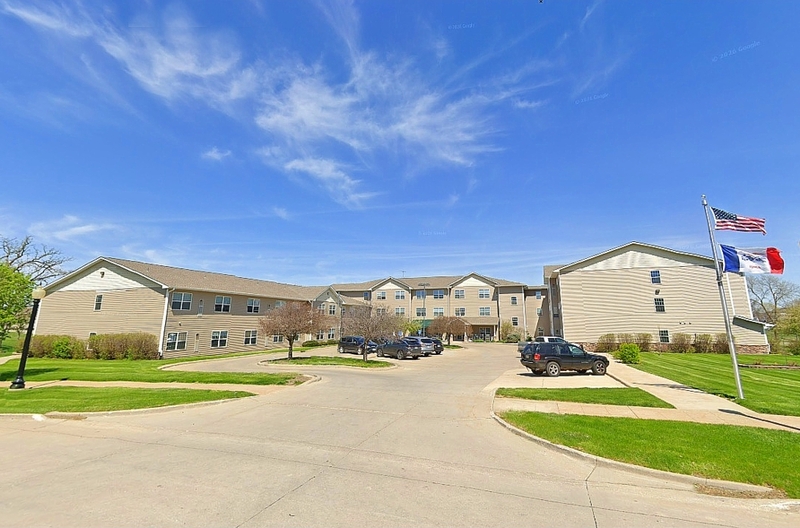
The Newton Village Health Care Center in Newton, Iowa. (Photo via Google Earth)
Two Iowa nursing homes are facing sanctions for alleged quality-of-care violations tied to resident deaths.
The Newton Village Health Care Center has been fined $8,500 by the state, according to the Iowa Department of Inspections, Appeals and Licensing. The fine is tied to allegations of contributing to a resident’s death, failing to investigate the matter, and failing to report the matter to the state as required.
The state agency has also proposed, but held in suspension, a $10,000 fine against Northbrook Healthcare and Rehabilitation Center in Cedar Rapids for failing to intervene after a resident showed signs of a life-threatening condition. Typically, state fines are held in suspension so that the Center for Medicare and Medicaid Services can determine whether a federal fine is warranted.
In the Newton Village case, inspectors allege that on the evening of June 27, 2026, a certified nursing assistant assisted a female resident with her dinner. The food was supposed to be pureed due to the resident’s diagnosis of dysphagia, which causes difficulty in swallowing and a tendency to choke on solid food. The CNA allegedly prepared a plate for the resident that consisted of scrambled eggs, sausage and hash browns and did not puree the food.
According to inspectors, the resident told the CNA, “No,” but the worker continued to feed the resident the solid food. At 5:21 p.m., the resident allegedly began to cough up phlegm and scrambled eggs. She was taken to her room, where she told workers she didn’t want to see the CNA who had been feeding her, and then retired for the night at 6:30 p.m.
Shortly before the woman was taken to her room, inspectors allege, the woman’s oxygen levels had dipped to 88%, which is considered dangerously low. The staff then put an oxygen mask on the woman’s face and began delivering her bottled oxygen.
Inspectors alleged that when the staff checked on the woman at 8:38 p.m., they reported she was exhibiting “coarse lung sounds,” and at 11 p.m., she was short of breath, grasping at her throat with her hands and turning blue in color. At that time, even with the supplemental oxygen provided, her oxygen saturation level was 75% — below the level that can cause brain damage.
At 11:34 p.m., the staff sent the woman to the hospital. According to the state inspectors, the woman arrived there shortly after midnight and died the next day, with the cause of death listed as aspiration pneumonia, a lung infection that occurs when people breathe food or liquid into their airway and lungs.
According to inspectors, the woman had been admitted to the Newton Village just one day before the choking incident and there were dietary orders indicating she needed pureed food due to the risk of aspiration.
The inspectors allege that when questioned, the home’s administrator, Dan Donahue, acknowledged he had not completed an investigation of the incident or reported it to the state as required, adding that he had tried to contact the CNA about the matter but she had not returned his call.
The home’s director of nursing allegedly told inspectors she was aware the resident had been given the incorrect food, choked and was taken to the hospital, but had not been aware the resident died. She acknowledged the incident should have been investigated and reported to the state, inspectors allege.
‘A large gush of blood’
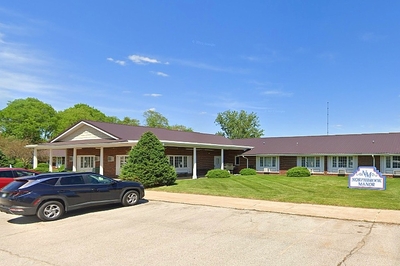
In the Cedar Rapids case, inspectors allege the staff at Northbrook Healthcare and Rehabilitation Center failed to measure the urinary output of all four residents with indwelling catheters and failed to implement fluid-intake interventions.
One of the four residents, a 78-year-old male, allegedly showed no signs of any urinary output for 32 hours and had a fluid intake of only five ounces over a 48-hour period in January 2026. At the time, inspectors allege, the resident displayed symptoms of confusion, abdominal distention, and discomfort, as well as high levels of potassium with evidence of protein breakdown in the liver.
The resident was eventually taken by ambulance to a local hospital, where doctors removed the resident’s catheter resulting in what inspectors described as “a large gush of blood” from the resident’s urethra. The man was admitted to the hospital’s intensive care unit with hyperkalemia caused by high potassium levels, acute kidney injury and sepsis, which is a life-threatening response to an infection. The resident died on Feb. 5, 2026, with the cause of death listed as acute renal failure and inflammation of the bladder.
According to state inspectors, the man’s medical provider expressed concern that the resident had no urinary output for more than 24 hours, which led to urine sitting in the bladder, causing sepsis, acute kidney injury and the need for dialysis.
The home’s current administrator, Melanie Blunn, said Thursday that she assumed her position at the home after the death, on April 1, 2026, and can’t comment on that particular matter.
“People’s well-being is of the utmost importance to me and all I can do is focus on what I can do in this moment and what I have done since I’ve been here,” she said. ” We have processes in place to ensure residents are taken care of and I dedicate every day to making sure they get the quality of care that they deserve.”

Des Moines, IA