No on 3 campaign focuses on the pain for renters if property tax cut passes
Aug 06, 2026 | 1:08 pm ET
Description
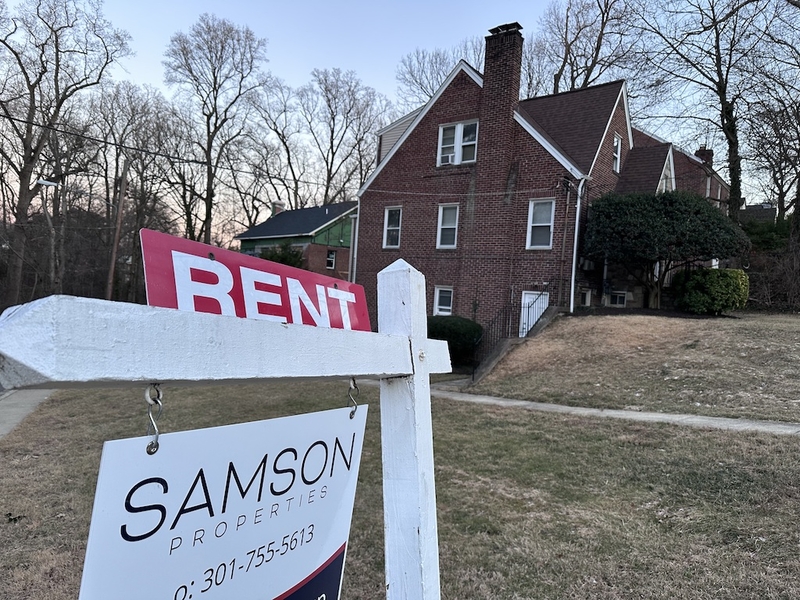
A Consumer Affairs Journal of Consumer Research analysis rates Florida the worst state in the nation for renters, and that the cost of rent takes up 37.4% of the typical income. That means Florida renters are the most cost-burdened in the country. (Photo by Barbara Barrett/Stateline)
A survey of 1,400 Floridians shows the proposed constitutional amendment to reduce property taxes on homestead properties gets 74% support, well more than the 60% required for passage.
However, the survey from the James Madison Institute also shows how support for the measure drops to 55% when voters are informed passage of the amendment could mean less funding for local government services — meaning it would fail at the polls if the voting matches the survey finding.
“Education equals opposition when it comes to this amendment,” said Jackson Peel, communications director for Save Our Services — No on 3, in a Zoom conference call Thursday. “When people hear what this bad policy will do to their communities, they reject it. They don’t like what it stands for.”
Save Our Services No on 3 is a statewide coalition formed to oppose Amendment 3, which if approved in November would increase the homestead exemption for property owners to $150,000 in 2027 and $250,000 in 2028. State economists project its passage would cut funding to local governments by up to $12 billion annually beginning in 2031.
The measure has drawn opposition from groups representing law enforcement, local government officials from both political parties, as well as the Florida Democratic Party.
Save Our Services highlighted how passage would specifically hurt renters. That’s because local governments may seek to close shortfalls in revenue by increasing taxes on non-homestead properties, including rental units. The measure does call for reducing the assessment-growth cap for non-homestead residential and commercial properties from 10% to 5%.
“Renters are not going to receive the homestead exemption. A landlord might get a tax benefit, but there is absolutely no guarantee that a renter sees a lower rent payment,” said state Rep. Rob Long, D-Boynton Beach.
“At the same time, cities are going to have to increase fire assessments, utility charges, or other fees to keep services running. And those costs will likely still be passed along to tenants. So, the landlord might get a tax benefit while the tenant gets no guarantee and they’re still going to get a higher bill probably.”
Hard-pressed renters
Kelly Lynch works in Gainesville but can’t afford to live there. Instead, she lives in the city of Bronson in Levy County, making a more than 20 mile commute every day. The mother of two said she and her husband dream of home ownership, which is why a rent and cost of living increase would deal a significant blow to that dream.
“I know plenty of people that work full time. Single moms living in Gainesville that would honestly face eviction or homelessness if their rent increases or their cost of living increases any more,” she said. “None of us can comfortably afford an increase.”
Florida was rated the worst state in the nation for renters, according to a Consumer Affairs Journal of Consumer Research analysis published in April. The report said the cost of rent takes up 37.4% of the typical income, meaning that Florida renters are the most cost-burdened in the country.
A circuit court judge in Tallahassee ruled earlier this week that Amendment 3’s ballot summary language is misleading, and he has given Florida Attorney General James Uthmeier until Aug. 14 to rewrite significant portions of the ballot and summary title of the proposal.
Tallahassee, FL