First 2026 case of West Nile virus reported in Iowa
Aug 05, 2026 | 5:38 pm ET
Description
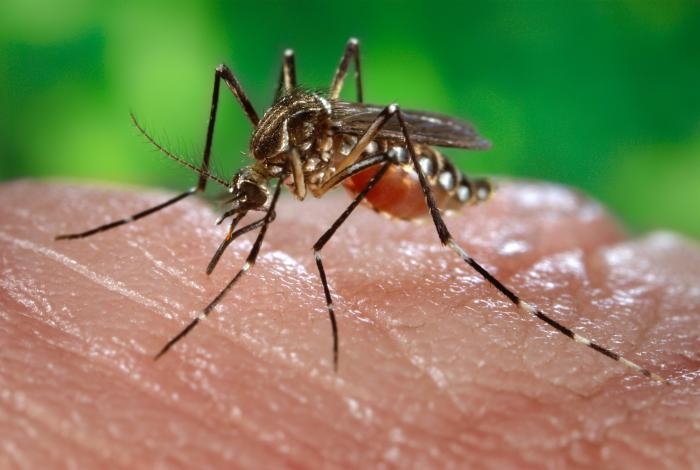
Iowa HHS reported the first 2026 case of West Nile virus, which is transmitted to humans via mosquito bites. (Photo courtesy of CDC)
The Iowa Department of Health and Human Services reported a case of West Nile virus in an eastern Iowa adult Wednesday, marking the state’s first reported case in 2026.
West Nile virus is most commonly transmitted to people via infected mosquitoes and can cause mild symptoms such as a fever or headache, though many infected people have no symptoms. While not common, the virus can manifest into more serious diseases that impact a person’s nervous system, according to HHS.
Fifty-seven Iowans were diagnosed with West Nile virus in 2025, according to a news release from HHS.
The first human case of West Nile virus in Iowa was detected in 2002, when nearly 150 human cases of the virus were reported.
The virus is carried by birds and has been identified in more than 200 bird species in the U.S. Mosquitoes typically pick up the disease from feeding on infected birds and some varieties of mosquitoes will pass the virus to other hosts they feed on.
HHS said the best protection against the virus is to avoid mosquito bites. Insect repellents with DEET, picaridin, oil of lemon eucalyptus, para-menthane-diol, 2-undecanone or IR3535 can lower the risk of a mosquito bite.
“We want Iowans to enjoy the outdoors and to protect themselves from mosquito bites, which can spread illnesses like West Nile Virus,” Iowa’s State Medical Director Dr. Robert Kruse said in the news release.
Covering up with long-sleeved shirts, pants, shoes and socks can also lower the risk of mosquito bites. Iowans can also empty standing water from their yards to keep mosquitoes from laying eggs in the water, and use screens on windows and doors to keep mosquitoes out.
The department said people with mild symptoms of a West Nile virus infection generally recover without medical attention, but immediate medical attention is required for any illness that causes severe headache, disorientation or sudden weakness.
According to the U.S. Centers for Disease Control and Prevention, no vaccines or medicines are available to treat or prevent West Nile virus infections.

Des Moines, IA