Meta data center pollution permit doesn’t account for all its emissions, Sierra Club says
Aug 04, 2026 | 5:00 am ET
Description
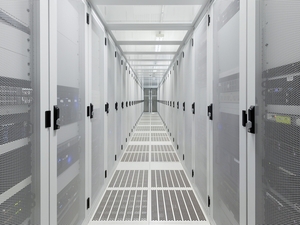
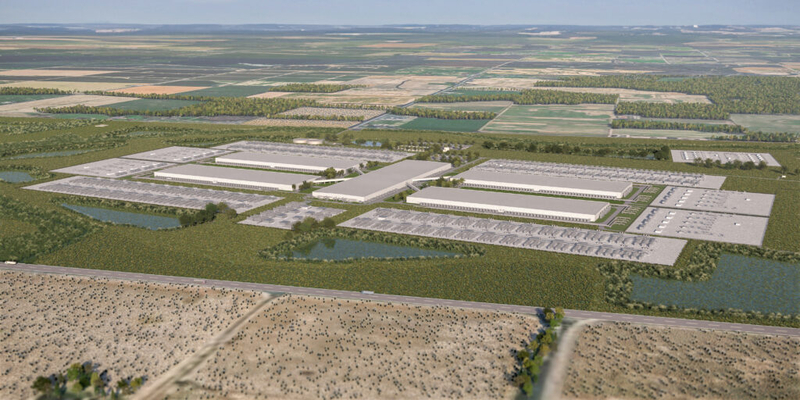
A rendering of portions of Meta’s proposed data center in Richland Parish. The Sierra Club maintains the facility’s developer should have applied for a more restrictive major source air pollution permit rather than a minor source permit. (Meta)
An environmental group argues Louisiana officials did not account for all of the harmful emissions Meta’s data center in Richland Parish will produce when it approved the facility’s Clean Air Act permit revisions in June.
In comments submitted Thursday to the Louisiana Department of Environmental Quality, the Sierra Club argues that changes to Meta’s Hyperion facility air pollution permit should require it to have a more stringent permit rather than one it obtained.
The state agency issued a minor source permit for the data center when the Sierra Club maintains it should have applied for a more restrictive major source permit.
“This massive project clearly crosses the threshold of what a ‘minor source’ permit would allow,” Margie Vicknair-Pray, Sierra Club Delta chapter projects coordinator, said in a news release. “We deserve the pollution limitations that come with the lawful, more protective permit, and we deserve the chance to have our voices heard at a public hearing.”
The Department of Environmental Quality did not respond to calls and emails last week seeking its response to the Sierra Club’s comments.
Asked about the Sierra Club’s comments, a spokesperson from Meta said in an email it “works closely with regulatory authorities to comply with federal, state, and local air quality and permitting requirements.”
LDEQ approved the Meta facility’s initial permit in July 2025, applied for under the name Laidley LLC, the real estate entity with a 20% share of the data center. The permit was for the operation of 31 emergency diesel-powered generators, a diesel-powered fire protection system and storage tanks for the diesel fuel. Laidley amended its permit Jan. 14 to include 44 natural gas water boilers the facility plans to operate 24/7. The state approved the changes June 6.
Its permit application does not include emissions from the 10 natural gas-fueled turbines Entergy Corp. is building to provide electricity to the data center. The utility company is responsible for obtaining permits for that aspect of the project.
The Sierra Club alleged that Meta’s air permit application “incorrectly calculates” its potential pollution impact, “undercounting the facility’s predicted emissions by excluding emissions from diesel generator emergency operation hours,” according to submitted comments.
In order to qualify for a minor source pollution permit, a facility must emit less than 100 tons per year of a listed pollutant. Emissions in the amended Meta data center permit come to just less than the annual threshold for a minor source pollution permit: 96.83 tons of nitrogen oxide and 98.94 tons of carbon monoxide.
Instead of applying for a major-source permit, Meta said in its revised permit application that the minor-source permit should stay in place for Hyperion because the diesel fuel generators are an emergency backup and not intended to operate all the time.
When emissions from the emergency generators are included with the additional water boilers, the revisions send the total pollution limit beyond what a minor-source permit allows, the Sierra Club noted in its news release.
The Sierra Club also urged state regulators to require the Meta data center to conduct its own air monitoring at the facility as a condition of its permit, as well as consider battery storage as a cleaner energy alternative.
The environmental group is also calling for the agency to hold a public hearing on the Hyperion data center’s permit revision.
Baton Rouge, LA