Physician anesthesiologists need to know if you’re taking Ozempic or another GLP-1 drug
Jul 31, 2026 | 6:00 am ET
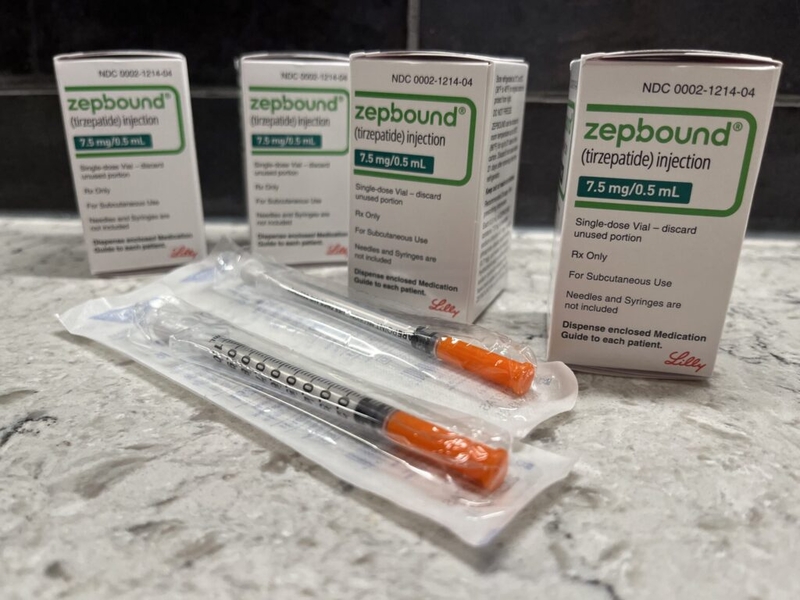
Description
(Photo by Niki Kelly/Indiana Capital Chronicle)
As a physician anesthesiologist, I see patients taking a GLP-1, like Ozempic, Wegovy, or Zepbound, every single day. Use of these drugs, originally intended for diabetes, has skyrocketed as people take them for weight loss, sleep apnea, and cardiovascular health.
There is still much to learn about these medications, but we know they present challenges when patients undergo anesthesia, and we adjust patient care to keep patients safe. That’s why it’s so important to tell your care team you’re taking a GLP-1 medication prior to surgery.
When a person is unconscious under anesthesia, they can no longer protect their airway; anything in the stomach can enter the lungs. This is called aspiration and it’s a serious, potentially life-threatening complication. This is why it is important for patients to have an empty stomach prior to surgery.
GLP-1 medications work in part by slowing stomach emptying, which keeps the stomach fuller longer. That can change how physician anesthesiologists prepare you for a procedure. You may have to fast for a longer period before a procedure. An ultrasound also may be used to see whether your stomach is empty. And if the risk of aspiration is too high, an elective surgery may be delayed.
The good news: the overwhelming majority of patients taking GLP-1 medications undergo surgery safely. Patients do not need to stop taking their GLP-1 medications prior to surgery, unless directed by their care team. Instead, each patient is evaluated individually. To do that well, your anesthesiologist needs to know your medication, dose, and phase of treatment along with any gastrointestinal symptoms or other medical conditions that slow digestion.
Physician anesthesiologists have completed four years of college, four years of medical school, and at least four years of specialty training in anesthesiology, physiology, pharmacology, and the management of complex medical conditions. This expertise ensures new medical evidence is applied to each patient’s unique needs.
You are your own best advocate. Be open with your care team before any procedure and ask questions so you understand exactly how medications can impact your procedure. Careful communication between patients, surgeons, and anesthesiologists is what ensures the best possible outcome.
Lansing, MI