New Mexico Medicaid extension in 2022 doubled postpartum medical visits, state officials say
Jul 28, 2026 | 2:43 pm ET
Description
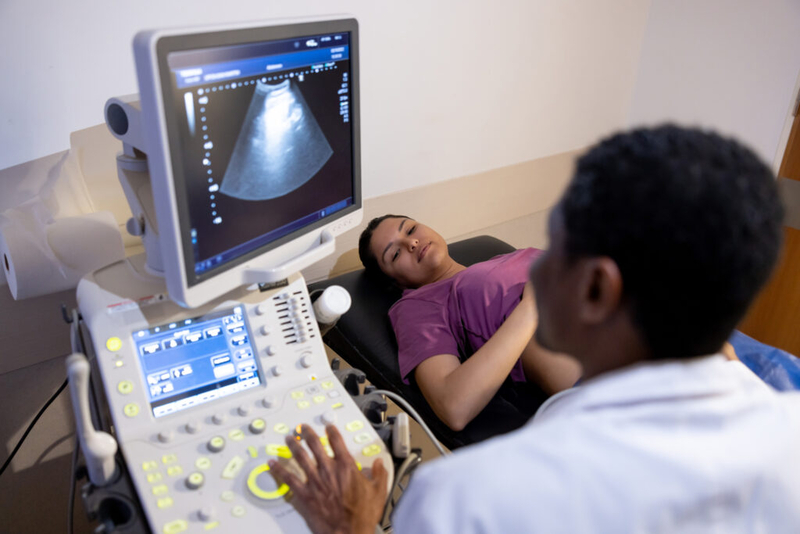
New Mexico Health Department officials said a 2022 Medicaid expansion that covers new mothers up to a year after giving birth resulted in twice as many postpartum healthcare visits. (Getty Images)
Preliminary results from an ongoing New Mexico Department of Health evaluation show that a 2022 Medicaid expansion for new mothers doubled the number of visits they made to doctors’ offices, which officials said is a promising sign as they seek to reduce pregnancy-related deaths.
New Mexico is one of 49 states that took advantage of a provision in the 2021 federal American Rescue Plan Act that enabled states to extend postpartum Medicaid coverage from 60 days to a year beyond the end of a pregnancy.
The extension went into effect in April 2022 and promised to drastically change postpartum care in a state where Medicaid, a government health insurance program for low-income people, covers approximately 60% of all births. That’s among the highest rates in the nation, according to the Kaiser Family Foundation.
State Health Department officials are working on a comprehensive analysis of the Medicaid expansion that they expect to release in September. But they provided some early insights in a recent interview with Source NM that followed the release of new data on pregnancy-related deaths.
Since the expansion went into effect, according to state health officials, healthcare facilities statewide have seen twice as many visits from new mothers. Most of those increased visits have been to primary care providers or related to substance abuse disorder, though a “modest” number related to mental health.
The health department declined to provide specific figures regarding the number of visits because officials are still finalizing their evaluation. Officials also are still evaluating whether the increased visits resulted in better outcomes for mothers or contributed to a post-pandemic decline in pregnancy-related deaths.
But Kevin Peine, executive director at the NMDOH’s Centers for Public Health, said he can already declare the expansion a “success” that the state hopes to build on by increasing awareness of the expansion.
“What we would like to see is even more women seeking care and not just one or two visits,” he said. “We want it to be a recurring thing to provide that support throughout the postpartum period.”
Expanding postpartum access to healthcare emerged as one of the key recommendations following the release of new data last week from the Health Department’s Maternal Mortality Review Committee, a multi-disciplinary volunteer board tasked with investigating deaths of pregnant mothers.
Mental illness, substance abuse driving New Mexico’s high maternal mortality, new data shows
The committee found that mental illness — and particularly substance abuse — was the biggest contributing factor to 74 pregnancy-related deaths of New Mexico mothers between 2018 and 2023.
The committee defines pregnancy-related deaths as those that occur due to pregnancy complications or from health conditions a pregnancy exacerbated.
The data also show that nearly half of the deaths in that five-year period occurred in the “late postpartum period,” which state officials define as 43 days or longer after a child is born. According to the new data, 25.7% of deaths occurred between 43 and 180 days after birth, and a further 20.3% occurred between 181 days and 365 days after birth.
Peine said the high number of “late postpartum” deaths demonstrates the need for prolonged access to care. While the Medicaid expansion enabled that access, Peine said some mothers may not realize they still have health insurance months after giving birth.
“Postpartum access to health care remains critical for improving outcomes,” Peine said. “Efforts to increase provider, patient and community awareness of the extension and covered services are necessary to ensure increased uptake in care in the postpartum period.”
Santa Fe, NM