Idaho’s Brownlee and Hells Canyon reservoirs under health advisory
Jul 21, 2026 | 7:16 pm ET
Description
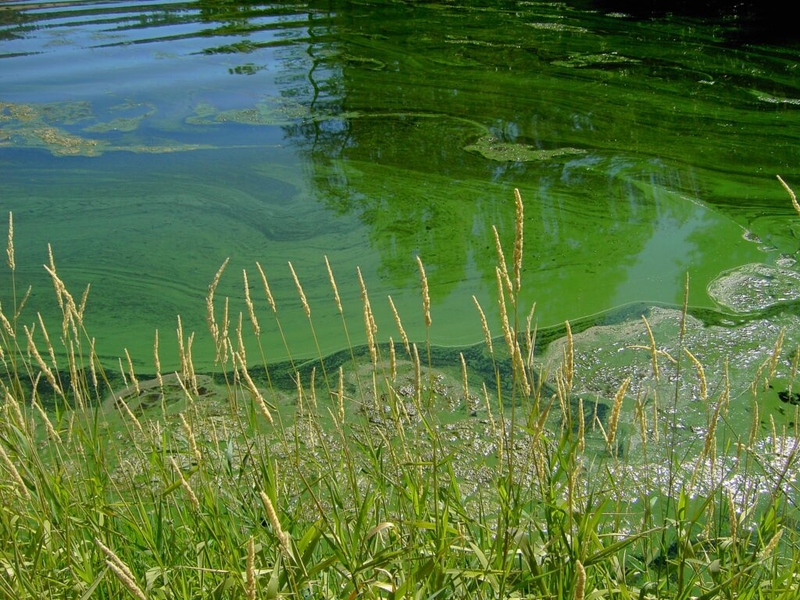
Cyanobacteria blooms occur when blue-green algae rapidly grows out of control. (Courtesy of Lorraine Backer/Centers for Disease Control and Prevention public health image library)
Idaho’s Department of Health and Welfare advised recreationists to stay out of Brownlee and Hells Canyon reservoirs on Monday, after recent samples revealed high amounts of toxin-producing cyanobacteria.
Monday’s advisory comes after the department issued the same warning for Crane Creek Reservoir in Washington County earlier this month.
The advisories show the continuing effects of a harmful algal bloom season, which lasts the length of the summer. All three reservoirs tested for high levels of toxin-producing cyanobacteria, which can be harmful to people, pets and livestock.
Summer heat can cause dangerous conditions, harmful algal blooms in Idaho’s rivers and lakes
Contact with the water in the reservoirs, whether by humans or animals, should be avoided, according to the advisory. Cooking or drinking the reservoirs’ water is also advised against, as boiling or filtering does not remove toxins and may increase its toxicity.
While the advisory does not restrict fishing in the reservoirs, it encourages washing hands after handling fish and cleaning fish thoroughly before consuming as cyanotoxins may build up in fish.
Regardless of where they plan to recreate, the Department of Health and Welfare urged Idahoans to “evaluate water conditions before swimming, boating, or letting pets enter any lake or reservoir.”
The department also urged Idahoans to watch for symptoms if they do end up in contact with the water, including rash, hives, diarrhea or headache. Dogs may become ill quicker than humans, and thus should be washed immediately after exiting the water.
Increased levels of cyanobacteria are the result of rising temperatures, though the microorganisms are a native part of Idaho’s watersheds. Their populations bloom, releasing cyanotoxins, and present in a variety of different looks including mats, foam, or surface scum. The blooms are not always visible from the surface.

Boise, ID