This heat wave reminds us: We have no time to lose on climate
Jul 14, 2026 | 7:00 am ET
Description
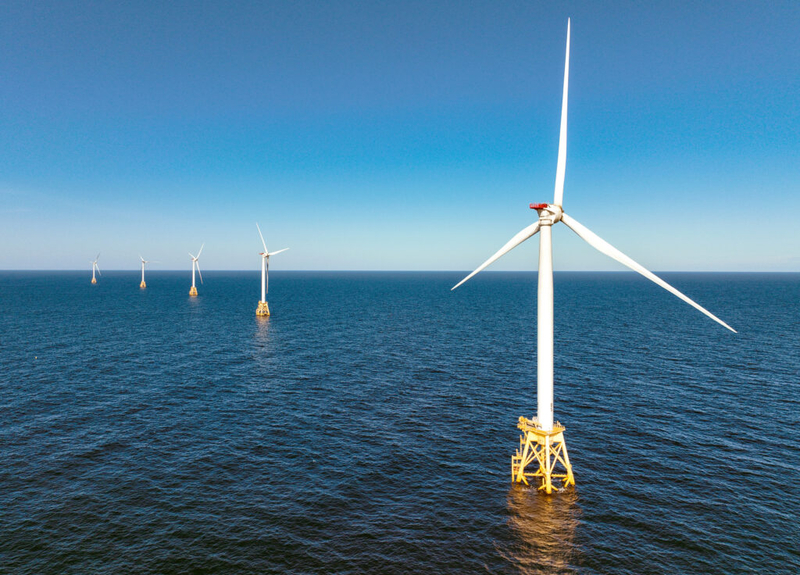
Wind turbines generate electricity at the Block Island Wind Farm near Block Island, Rhode Island. The Trump administration is blocking new permits and dangling billion-dollar buyout offers to convince developers to walk away from their wind projects. (Photo by John Moore/Getty Images)
Shortly before the heat wave that blistered the Eastern half of the U.S. in early July, I messaged an old friend who lives in Northern England, which was already suffering from a heat dome that covered much of Europe. The day before I messaged him had been the hottest day on record in the U.K. — a record that was broken the day I messaged him, and again the following day.
France recorded more than 2,000 excess deaths during the same heat wave.
In Utah and in Texas, climate change and irresponsible water management practices are driving accelerating shortages. In Utah and Colorado, wildfires this year have already cost the lives of three firefighters.
As wildfires and extreme heat have persisted, the Minnesota’s Department of Natural Resources has closed all entry into the Boundary Waters, following bans on campfires in Superior National Forest. These are just some of the climate-driven effects that are happening at this particular moment.
The climate crisis is here now, and as carbon emissions continue to rise, the crisis is steadily worsening. Compared to the turmoil that lies ahead, however, years like this one may soon be remembered as relatively benign.
We are, however, fortunate that the technology to dramatically reduce climate warming pollution already exists, is cheap and is getting steadily cheaper. Solar, wind and battery storage are the cheapest forms of new electrical generation. As the technology to manufacture them improves, they are getting steadily cheaper, and they do not require constantly drilling for new fuel out of the ground.
And, they are not subject to the storms of geopolitics. To paraphrase Bill McKibben, sunlight travels 93 million miles to reach the Earth, but not one of those miles goes through the Strait of Hormuz.
The overall strategy is clear. We must speed the adoption of clean, renewable energy and rapidly electrify as much of our economy as we can. We don’t yet know how to get all the way there, but the technology already exists to cover electricity generation, ground transportation, and the heating and cooling of residential and commercial buildings. If we focus on deploying these solutions first, we can drive down planet warming pollution even as we develop the tools we need to get us the rest of the way there.
The Trump administration is actively trying to take us backward, paying off developers with taxpayer money to cancel offshore wind projects and forcing coal plants to stay open.
So, states like Minnesota must continue to lead by streamlining permitting and interconnection for renewable energy at all scales, from rooftop solar to large utility projects; expanding the use of heat pumps and geothermal heating networks; promoting not just electric vehicles but public transit and bikeable, walkable neighborhoods.
Some of this will cost us more up front, but wise policy choices can bring those costs down. And, speeding climate action will ultimately reduce costs and insulate us from the volatility of fossil fuel prices.
The faster we go, the greater the benefit, both to our wallets and to the world we inhabit. So let’s save money and save the planet.

Saint Paul, MN