Beyond grant-in-aid, Delaware has another fund for nonprofits
Jul 14, 2026 | 6:00 am ET
Description
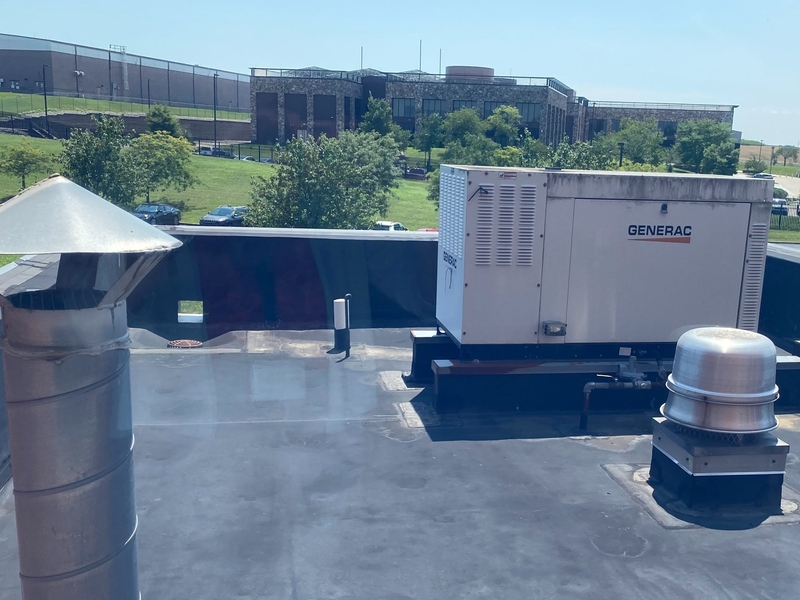
Photo courtesy of Spotlight Delaware
Why Should Delaware Care?
Delaware typically funds private construction through two pots of money — the Bond Bill and the grant-in-aid fund. But a lesser-known pot of money is allocating $20 million between 130 nonprofit organizations throughout the state.
Delaware’s grant-in-aid bill is not the only way the state financially supports the nonprofit sector. A second, lesser-known pot of money, called the Community Reinvestment Fund, also is sending dollars to those private organizations.
Last month, lawmakers approved $20 million for the Community Reinvestment Fund as part of the state’s capital budget legislation, known as the Bond Bill. While text of the bill did not reveal the individual awards from the fund, Spotlight Delaware has since obtained a list of those awardees.
It shows the dollars funding about 130 private organizations or entities of local governments across the state.
Those recipients include town revitalization projects, services for adults with intellectual and developmental disabilities, and youth groups providing after-school activities.
The awards from the fund are determined “through the input of all members of the General Assembly,” Deputy Controller General Robert Scoglietti said in a statement to Spotlight Delaware.
As a part of the annual bond bill, the state government issues debt through the bond market that is purchased by institutional investors. That debt is then repaid with interest with taxpayer funds over a longer term.
Asked why the fund is necessary when the state already has a $100 million grant-in-aid program, Scoglietti said the Community Reinvestment Fund is designed for capital improvements while grant-in-aid “provides operational and programmatic grants to nonprofit community organizations, fire companies, and some local governments.”
The state’s bond bill also distributed dollars directly to a handful of nonprofits, separate from the Community Reinvestment Fund.
Biggest among those was a $1 million appropriation for renovations at The Queen, a Wilmington music venue owned by a nonprofit.
A roof for Easterseals
One of the largest award winners from the Community Reinvestment Fund was Easterseals Delaware and Maryland’s Eastern Shore, which provides services to individuals with intellectual and developmental disabilities.
Easterseals Delaware and Maryland’s Eastern Shore received more than $625,000, with the money funding facility improvements at three locations.
Pamela Reuther, chief operating officer of Easterseals, called the Community Reinvestment Fund a “godsend” for nonprofit organizations.
Organizations like Easterseals that provide services for children and adults with disabilities typically receive reimbursements for those services, and those funds go toward staff salaries and benefits, Reuther said.
But “when you’re talking about having to come up with $300,000 to fix a roof, it’s not something that typically a nonprofit will have available,” Reuther said.
Easterseals programs come with strict regulations that mandate temperature controls in facility, Reuther added, meaning it could have to suspend services if its HVAC systems fail.
Long-delayed repairs covered
The Community Reinvestment Fund will allow some organizations to put dollars toward and complete major renovation projects for the first time in decades.
Kent-Sussex Industries provides work training, education, and supportive services to adults with disabilities in both Kent and Sussex County.
Although Kent-Sussex Industries has owned its building in Milford since 1985, CEO Heath Chasanov said it has not had a major upgrade for roughly 35 years.
The organization received $465,000 through the Community Reinvestment Fund for its own capital projects, which Chasanov said will go toward replacing the roof and interior work.
Chasanov hopes the money will ensure their facility is useful and safe, and potentially allow the organization to serve more individuals with disabilities.
Community Reinvestment Fund awardees do go through an application process. Chasanov said his organization has built trust with legislators that they will use the money appropriately.
“For me, we’re extremely grateful for the state legislature and the budget office for continuing to fund this program,” Chasanov said.
Dover