Arkansas’ tick season appears worse than usual, state public health veterinarian says
Jul 13, 2026 | 6:00 am ET
Description
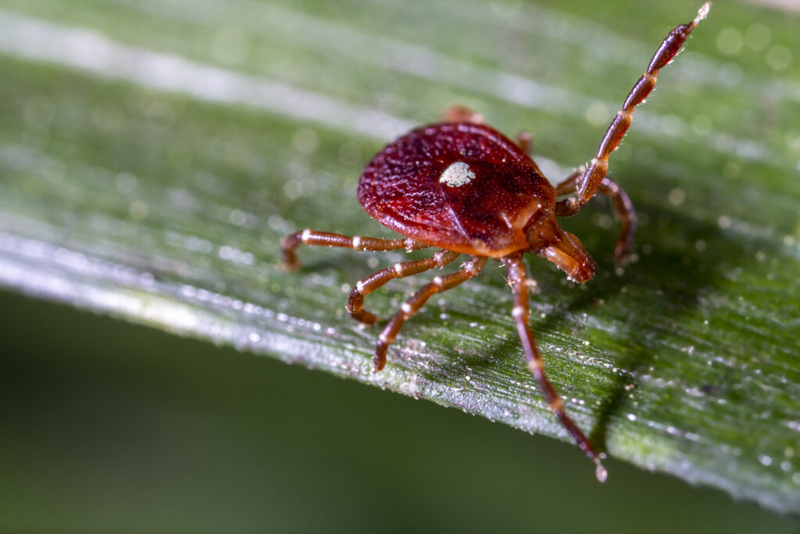
Lone star tick (Getty Images)
School is out, the temperature is high and the sun isn’t setting until well into the evening. In other words, it’s peak tick season in Arkansas.
While ticks are found year round in the Natural State, their numbers peak in the summer and early fall. The arachnids are found all over the country, and their bites can transmit illnesses. Data from the Centers for Disease Control indicate 2026 is a bad year for the tick bite-avoidant nationwide.
The same is shaping up to be true in Arkansas.
“Anecdotally, just from seeing things on my own pets and hearing from people, I do feel like the season may be worse than normal,” said Arkansas’ state public health veterinarian Dr. Laura Rothfeldt.
Tick bites are surging in the US this year. Here’s what to know.
Arkansas is one of the hotspots for a debilitating tickborne illness known as alpha gal syndrome. Alpha gal is an allergy to an enzyme found in red meat, which in turn can be found in everything from hamburger meat to gelatin medication capsules. Those who develop the allergy can have delayed reactions — sometimes by hours — to anything containing the enzyme. Symptoms can vary in severity, ranging from swollen lips and hives to anaphylactic shock.
Humans can develop the alpha gal allergy after being bitten by a lone star tick, which is abundant in Arkansas. Unlike most other tickborne illnesses found in Arkansas, there is no cure for the allergy, which develops as a result of an immune reaction to the alpha gal enzyme when it enters the bloodstream.
Arkansas became the first state to require labs to report suspected cases of alpha gal syndrome to the state health department in 2023, Rothfeldt said.
The Arkansas Department of Health has received reports of 3,005 suspected cases so far this year of alpha gal, which means a patient’s blood work tested positive for the antibody created when the alpha gal enzyme enters the bloodstream.
In order for a case to be confirmed, additional investigation is required by the department. Rothfeldt emphasized that not everyone who tests positive will end up experiencing the allergy symptoms alpha gal syndrome can induce.
“Out of those people that have an elevated antibody level, many of those people do not show allergy to that,” Rothfeldt said.
Last year saw 3,782 suspected cases total. Of the 431 cases investigated, 301 were confirmed as having alpha gal.
Rothfeldt said the health department’s analysis of the data collected since reporting became required showed that around 60% of people whose lab results were investigated were confirmed cases of the allergy..
It was not immediately clear how cases are chosen by the department for investigation.
Since alpha gal doesn’t have a cure — and since other tickborne illnesses found in the state can be life-threatening — bite prevention is key, Rothfeldt said. She said prevention measures, such as tucking pants into socks and treating clothing with permethrin, an insecticide, are crucial to minimize the risk of tick bites.
Little Rock