Bering Sea heat wave cited as trigger for nosedive in Yukon River Chinook salmon
Jul 10, 2026 | 3:00 pm ET
Description
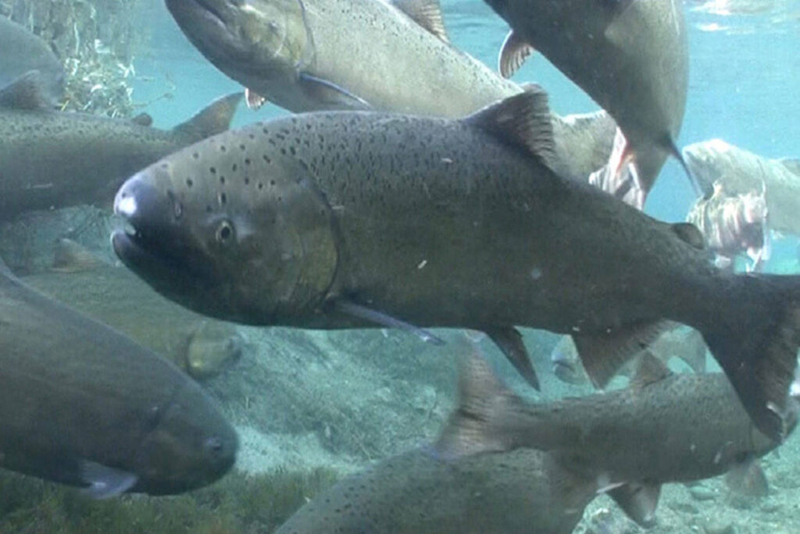
A Chinook salmon, also known as king salmon. (Photo by Michael Humling/U.S. Fish and Wildlife Service)
The intense marine heat wave conditions that began roiling the Bering Sea in about 2016 resulted in the lowest winter sea ice extent measured in 150 years, widespread bird and marine mammal die-offs, a drastic shift in fish populations and a crash of snow crab stocks.
Now new research is tying the marine heat wave to the recent collapse of Yukon River Chinook salmon.
A study published in April, written by scientists at the National Oceanic and Atmospheric Administration’s Alaska Fisheries Science Center and University of Alaska Fairbanks, showed the correlation between the extreme heat wave conditions and the nosedive in Yukon River Chinook stocks. The heat wave was accompanied by a dramatic increase in deaths of older juvenile and adult Chinook that, had they survived, would have returned from the ocean to freshwater spawning grounds, the study found.
The study was published in the journal Ecological Applications.
The Yukon River’s runs of Chinook, also called king salmon, have been in a long-term decline since their past heyday, when they numbered in the hundreds of thousands and the river was one of the biggest sources of that salmon species.
The sharp downturn in recent years resulted in a 2022 return that was the lowest on record. Widespread fishery closures have been in effect for years along the Yukon River system in both Alaska and Canada.
The study evaluated four general reasons for the sharp decline: poor juvenile “recruitment” into the ocean, which refers to the successful migration of surviving juvenile fish from freshwater; deaths of fish in the marine environment at the start of their migration back to freshwater; harvests that target the salmon; and bycatch, the unintentional harvest of salmon by commercial fishing vessels targeting other species, such as pollock.
Poor juvenile recruitment emerged as an important factor, which was to be expected, the study said.
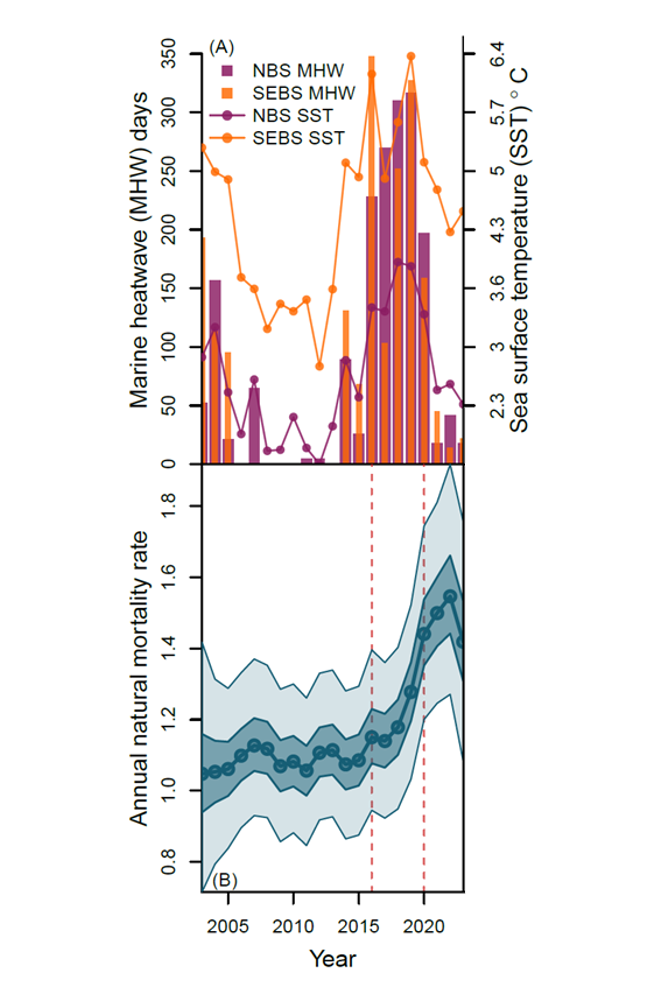
But the information about spiking mortality among adults and older juveniles was new, the NOAA scientists said. That new trend represents “an apparent shift in the critical life history stages and processes” for Yukon River Chinook, and a potential bottleneck limiting population recovery, the study said.
Exactly how the heat wave conditions caused deaths of salmon at sea is yet to be determined, the study said. It listed several factors that could have worked in combination, including lack of suitable prey, infections by the parasite Ichthyophonus and other diseases, as well as increased energy demands brought on by warmer temperatures.
Harvests, either intentional or as bycatch, did not emerge as important factors in the recent Yukon Chinook declines, the study found.
The study contained some warnings.
Even though the marine heat wave conditions have eased, the abundance of prey that salmon need in the ocean has not returned to normal, it noted. And mortality rates in those later life stages continue to be higher than they were prior to the latest heat wave.
And the heat problems for older salmon are likely to become more common in years to come, the study said.
“Given that marine heatwaves are expected to become more frequent and severe with continued warming . . . similar rises in mortality—and concomitant limitation of productivity and recovery potential—as described here could become increasingly common in the future,” the study said.
An earlier study by NOAA Fisheries and the Alaska Department of Fish and Game tied successive heatwaves in both the Bering Sea and Gulf of Alaska to sharp declines in chum salmon stocks. That 2023 study also pointed to higher mortality out in the ocean.
Juneau