Half of North Carolina is now in extreme or exceptional drought
Jul 09, 2026 | 6:38 pm ET

Description
Even with extreme drought, some North Carolinians have continued to regularly water their lawns rather than conserve. (Photo; Getty Images/VanderWolf-Images)
Recent scattered showers were a welcome relief for central North Carolina this week, but a newly released report from the U.S. Drought Monitor finds much of the state remains mired in a seemingly endless drought. According to Thursday’s report, 43.6% of the state is in extreme drought, an 8% increase since last week. Six percent of the state is gripped by exceptional drought, the most extreme classification.

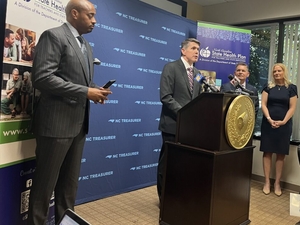
State Agriculture Commissioner Steve Troxler told Gov. Josh Stein and members of the Council of State Tuesday that North Carolina farmers are bracing for low yields and an economic hit.
“Quite frankly, it’s hard to find a farmer that will tell you that he has excellent crops this year,” said Troxler. “We probably would rate our crop loads below average.”
Tobacco farmers in eastern North Carolina have reported yellow leaves and slow growth.
Troxler said it has been so abnormally warm this summer that farmers are also experiencing water shortages in the agricultural ponds used for irrigation.
“This is the time of year you either make it, or you don’t,” said Troxler.
A city thirsty for green lawns
Localized rainfall helped raise Falls Lake, Wake County’s primary source of drinking water, six inches in the past week. But on Tuesday, the Raleigh City Council approved an ordinance allowing the city manager to move quickly into Stage 2 water restrictions if necessary.
The city has been urging residents to conserve since restrictions were implemented in April. But Ed Buchan of Raleigh Water said the message seems to have been forgotten during June’s very hot and dry weather.
“We’ve unfortunately gone in the wrong direction since mid-May,” said Buchan.
Buchan told the council that 46% of the irrigation meters that his team read were not in compliance during the first week of July.
“This is largely residential. There are some commercial irrigation meters, but a lot of this was residential usage,” said Buchan.
In a best-case scenario, Buchan said the city would not exceed 60 million gallons of water a day. But on one very hot day in June when people were irrigating heavily, the city saw daily usage top 76 million gallons.
Amid North Carolina’s business boom, new report highlights water infrastructure worries
Falls Lake’s water supply pool sits at 62% of capacity and is declining 2% to 3% each week.
Council member Megan Patton said it would be helpful to give people better guidance on how long they can water their yards on their designated day.
“On the website, it asks people to only water half an inch. I’m not totally certain that a regular resident knows what that equates to in terms of time, or how long they should put their sprinkle out or run their sprinkler system,” said Patton.
Buchan recommended using a simple tuna can as a makeshift gauge to determine when a resident has watered their yard enough.
“Let’s distribute tuna cans to everybody,” quipped Mayor Janet Cowell.
City council member Mitchell Silver said Raleigh residents need to heed the call to conserve water now, before the situation grows more dire.
“I was here in 2008. If I remember correctly, Raleigh was down to 60 days of water supply. I’m not sure the public understands the sense of urgency,” said Silver.
During the 2008 drought, car washes closed and golf courses had to stop watering, Silver recalled.
“Water is a very precious supply. And I don’t want to get into a situation of what happened in 2008. It was a crisis,” said Silver.
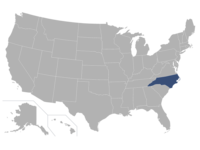
Raleigh, NC