Reynolds expresses hope for federal appeal of SNAP ‘unhealthy’ food restrictions
Jul 09, 2026 | 6:31 pm ET
Description
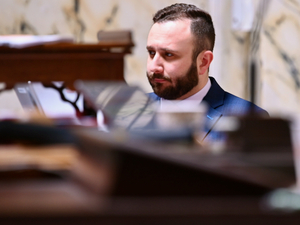
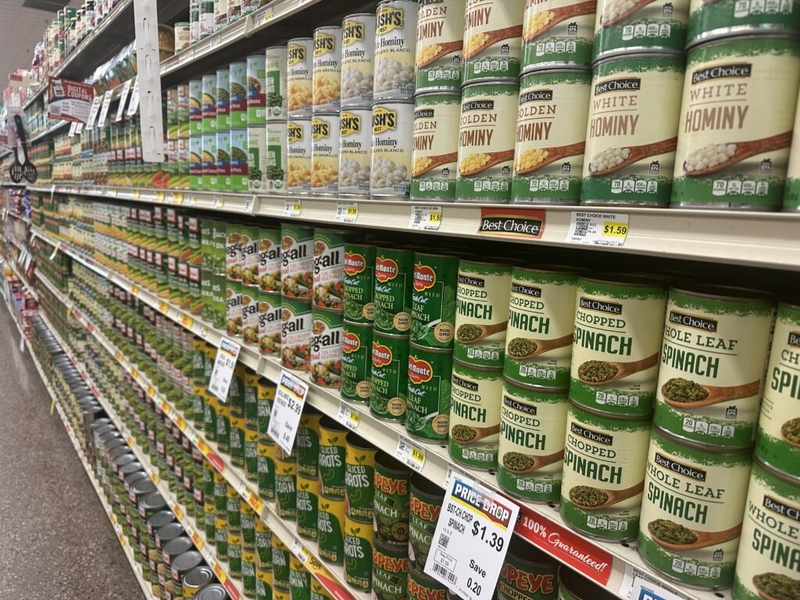
Iowa will no longer restrict use of the SNAP federal nutrition program for sugary snacks, but Gov. Kim Reynolds said she would like to see the federal government appeal a court ruling that struck down the state's restriction. (Photo by Cami Koons/Iowa Capital Dispatch)
Though Iowa will not be the one to file court action, Gov. Kim Reynolds said she hoped the federal government will appeal a federal judge’s June decision to stop Iowa and other states from implementing restrictions on “unhealthy” purchases through the Supplemental Nutrition Assistance Program.
The U.S. Department of Agriculture granted Iowa a waiver allowing the state to exclude certain food and drinks, like soda and candy, from being purchased using SNAP, which took effect at the beginning of 2026. This waiver, and others granted to states allowing restrictions on SNAP, was overturned by a decision by U.S. District Judge Amy Berman Jackson in June — a decision Reynolds called “short-sighted” in an earlier statement.
On Wednesday, Reynolds said the state would not be challenging this court decision, but said she would be in support of the federal government appealing it.
“If we can play a role in that, that would be the attorney general that would really participate on our behalf,” Reynolds said. “I hope they do at some point, to be quite honest, because I think it’s so important. You know, this is about the health of our kids, and our data is horrible. And it’s not a mandate that they can’t have those items … it just says if taxpayer dollars are going to be used through this program, that was designated to provide nutritional food for our kids, then that’s the intent of the program, and we should adhere to that.”
But John Boller, board chair of the Iowa Hunger Coalition, said in a statement restrictions are not the best way to improve Iowans’ health.
“If the goal is healthier eating, we know that support works better than restriction,” Boller said in a statement. “Programs like Summer EBT have already shown they boost healthy food consumption for kids and incentives like Double Up Food Bucks do the same for families year-round. Vulnerable Iowans deserve the same dignity of choice as anyone else at the grocery store. We’re grateful the judge’s ruling protects choice for SNAP participants in Iowa.”
Boller also said he would not support appealing the decision, because “an appeal would mean more uncertainty for SNAP participants who are just starting to regain some clarity and stability after the ruling, forcing them back into limbo about what they can and can’t buy.”
“It also creates real costs and confusion for retailers, who would have to re-implement restrictions only to possibly unwind them again, all for a fight that doesn’t need to continue,” he said.
Reynolds had emphasized Wednesday the court decision will not block SNAP and summer feeding program funds from being allocated. She said the rules restricting certain foods from being purchased will “no longer apply, but we still will follow through with allocating the funds that we already said that we would.”
Iowa celebrates low SNAP error rate
Iowa is also not set to see changes to its required contributions to the SNAP program in the next year. On Thursday, Iowa Department of Health and Human Services officials praised the state’s work to keep the state’s SNAP payment error rate below the the 6% threshold set to implement federal penalties in 2027.
Under the 2025 “One Big Beautiful Bill Act,” states will begin to face federal penalties based on their SNAP payment error rates beginning in federal fiscal year 2028 — beginning October 2027. If a state has a payment error rate above 6%, calculated by the federal government while looking at SNAP overpayments and underpayments, the state will be required to fund between 5% and 15% of benefit payments previously provided through federal aid.
The national average payment error rate is at 10.62%, according to federal data, and the U.S. Department of Agriculture found states made a collective $10.1 billion in improper payments in FY 2025.
But according to newly released USDA data, Iowa’s error rate fell below the national trend for FY 2025 at 5.34% — a rate that would mean the state would not have to take on additional funding for SNAP benefits under the 2025 law. An Iowa HHS news release said the department attributed the state’s low error rate to efforts made in the state to clarify eligibility policies, better train staff and other “organizational alignment” processes taken on.
“This improvement reflects our continued focus on getting benefits right the first time and the hard work of our staff to strengthen accuracy and consistency across the system,” HHS Principal Deputy Director Larry Johnson said in a statement. “Accurate SNAP administration supports Iowa families, protects taxpayer dollars, and ensures Iowans receive timely and correct support.”
Iowa is one of just nine states nationwide with an error rate below 6%.
Des Moines, IA