What Oklahomans should know about the state’s new tick testing law
Jul 02, 2026 | 6:29 am ET
Description
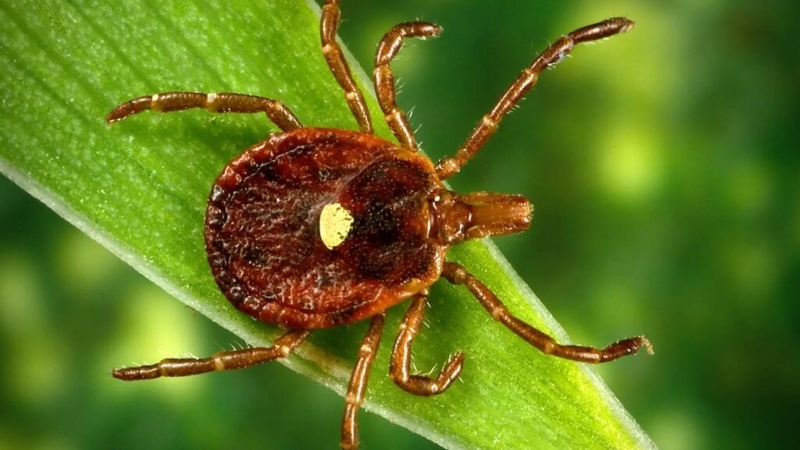
The lone star tick, pictured here, can cause alpha-gal syndrome. (Centers For Disease Control and Prevention)
Summertime in Oklahoma is ripe for outdoor activities like barbecuing, fishing, hiking and camping. But there’s something lurking in the grass that could ruin all the fun: ticks.
Fortunately, a new law in Oklahoma could make it easier to test and track a dangerous tick-borne illness.
Ticks commonly carry bacteria and pathogens that can infect humans through bites. While you may have heard of tick-borne diseases like Lyme Disease and Rocky Mountain Spotted Fever, there’s an increasingly common illness you may not have heard of: Alpha-gal Syndrome (AGS).
Alpha-gal Syndrome is commonly called the red meat allergy because some infected individuals experience allergic symptoms after consuming red meat, animal byproducts like dairy and certain medications. It is a potentially life-threatening condition that can develop after the bite of certain ticks, most notably the Lone Star Tick, an aggressive tick prevalent in Oklahoma, Texas and the southeast United States.
The syndrome is caused by the alpha-gal molecule found in the saliva of some ticks and in most mammals, but not in humans. When a tick bite transfers alpha-gal to a human’s blood, it can trigger the body’s immune system to produce a response akin to an allergic reaction. Symptoms can take hours to develop and can range from mild hives to severe allergic reactions that require emergency treatment.
The best way to prevent the development of AGS is through tick prevention: avoid high grass and brushy areas, use EPA-registered insect repellents and treat clothing and gear with permethrin. Be sure to shower soon after being outdoors and check your clothing and body thoroughly for ticks.
In my more than 20 years practicing dermatology in Oklahoma, I have seen a notable increase in patients developing tick-borne illnesses, including AGS.
According to the Centers for Disease Control and Prevention, upward of 110,000 suspected cases of AGS were identified between 2010 and 2022, though researchers believe more than 450,000 people in the U.S. may be living with the condition. Now, Oklahoma is taking measures to increase the accuracy of AGS reporting and tracking.
Thanks to a new law, Oklahoma will add Alpha-gal Syndrome to the Oklahoma State Department of Health’s list of reportable diseases and conditions. Senate Bill 1644 requires health care providers and labs to report suspected cases of AGS to the state. The law will take effect Nov. 1.
The law will give public health officials a clearer understanding of how widespread the condition is across the state and help inform the public through prevention and awareness measures. When emerging diseases like AGS are monitored and reported, physicians can better care for patients, and individuals can make informed decisions related to their level of risk.
Accurate disease tracking and transparent reporting helps everyone: state health officials, physicians and local health professionals. Oklahoma families can better protect themselves and their communities from the unnecessary spread of illness.
The addition of Alpha-gal Syndrome to Oklahoma’s reportable disease list is an important step to providing Oklahomans with more accurate information about the risks in their area, and help take the bite out of this serious disease.
Oklahoma City, OK