Judge extends order blocking Tennessee officials from reporting sick, disabled immigrant children
Jul 02, 2026 | 6:02 am ET
Description
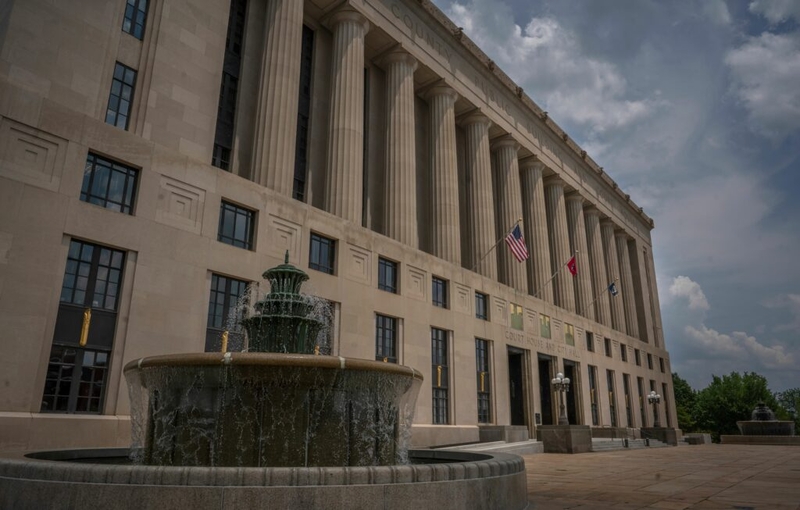
A Davidson County Chancery Court judge on Wednesday extended her order temporarily blocking the state rom reporting sick and disabled immigrant children in a public healthcare program to a state immigration enforcement office. Pictured: the Nashville Courthouse. (Photo: John Partipilo)
A Nashville judge on Wednesday extended an order from last week that blocks Tennessee health officials from reporting 400 immigrant children with disabilities and chronic illnesses, enrolled in a safety-net health program, to a state immigration enforcement office.
Chancellor Patricia Head Moskal set a July 10 deadline for attorneys to come to an agreement on the terms of a more long-term injunction that would prevent state leaders from implementing the new reporting policy while a legal challenge continues.
The challenge was brought by three Tennessee doctors who treat children enrolled in Children’s Special Services, a program jointly funded by the state and federal government to provide health care to low-income children with disabilities, chronic and life-threatening illnesses who lack insurance or have healthcare needs that exceed what insurance pays for.
The doctors, represented by the public interest law firm, Tennessee Justice Center, argued the health department’s immigration reporting mandate poses grave harm to their young patients, who could suffer declining health and even death if their care is interrupted.
Judge issues restraining order in doctors’ challenge to TN plan to report disabled immigrant kids
The doctors said their patients include children who suffer from epilepsy, congenital heart disease requiring surgery, cerebral palsy, traumatic brain injury and leukemia. Their patients include children who rely on feeding tubes and ventilators currently paid for by the program.
The lawsuit also argues that state health officials are misinterpreting a new state immigration-reporting law to apply to children, instead of only adults.
And, they argue, the Tennessee reporting policy is preempted by federal funding rules and is contrary to the “public good.”
The health department has not responded to questions about its plans to report children. In a statement issued last month, a spokesperson for Gov. Bill Lee said: “Tennessee is required to administer the Children’s Special Services Program in accordance with applicable federal requirements and state law.”
Advocates for critically ill kids urge Lee to intervene before deadline to report immigration status
More than 4,600 children are enrolled in Children’s Special Services statewide — about 400 of whom do not have permanent legal immigration status, according to the Tennessee Department of Health’s communications with lawmakers.
Earlier this month, John Dunn, the health department’s interim chief, informed parents that identifying information about their child would be handed over to the Tennessee Centralized Immigration Enforcement Division as a condition of continuing to receive healthcare through the program.
The letter told parents the reporting of their children would begin after June 30 — a deadline that is no longer in place after the court’s order.
Dunn’s letter to parents cited a new state law, set to take effect July 1, that requires a range of state and local departments to verify immigration status and report immigrants without permanent status to the Centralized Immigration Enforcement Division. The initial paragraphs of the legislation reference reporting of individuals 18 and over.
The legislation makes no mention of what the immigration enforcement division will ultimately do with the reports.
Established last year by Republican lawmakers, the division’s mission statement says its priorities include “overseeing state and local collaboration with federal immigration agencies.”
Tennessee health department warns parents their children will be reported to immigration officials
The reporting requirement has sparked fear among families that they may be subject to detention and deportation if their child continues in the program, potentially disrupting their child’s access to healthcare.
But children who are withdrawn from the program by fearful parents have few alternatives and, in many instances, risk serious health complications if ongoing treatment is interrupted, healthcare providers have said.
In the weeks since the notices went out, public health and nonprofit healthcare providers have scrambled to find alternatives, such as ventilators for families who opt out of the program. There are limited options — Children’s Special Services is a program of last resort, public health officials noted.
Michele Johnson, executive director of the Tennessee Justice Center, said Wednesday that she was “encouraged” the reporting requirement remains temporarily blocked.
“Every day these protections remain in place is another day families can focus on caring for their children instead of worrying that seeking essential medical services could put them at risk,” a statement by Johnson said. “Our focus remains on protecting access to essential healthcare services for these children with serious medical needs.”
Nashville, TN