Why Trump chose a deal over a wider Iran War, and what it means for Missouri
Jun 30, 2026 | 6:45 am ET
Description
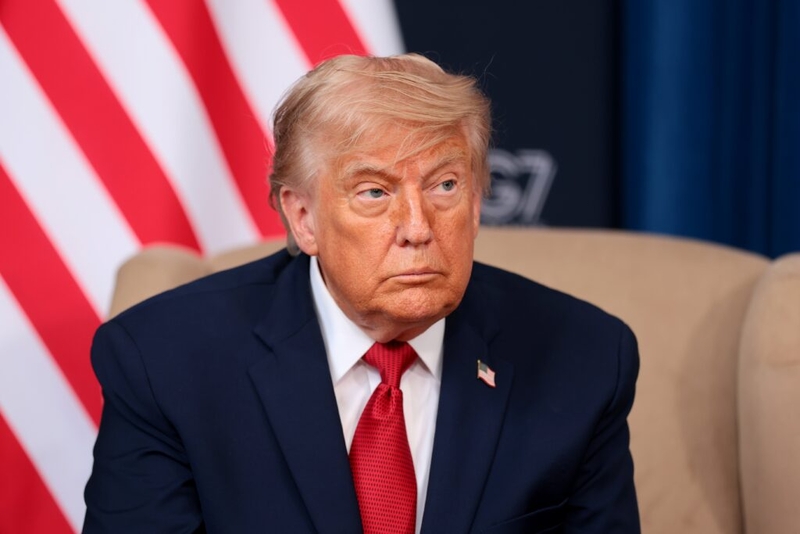
President Donald Trump attends a bilateral meeting with Egyptian President Abdel Fattah el-Sisi on the sidelines of the G7 Summit on June 17 in Evian-les-Bains, France (Anna Moneymaker/Getty Images).
When President Donald Trump moved from a stance of military confrontation with Iran to seeking a ceasefire and engaging in diplomatic talks, many commentators highlighted the political motives behind this change.
Some viewed it as a retreat, whereas others questioned the administration’s genuine intentions. Nonetheless, an even more significant reason might be driving this shift: The war has triggered a historic global oil shock, pushing the global economy to the brink.
The prolonged disruption of shipping through the Strait of Hormuz pushed oil prices about 30% above prewar levels and drove inflation higher. The government responded by releasing oil reserves and emergency stockpiles to stabilize supplies. These measures helped, but they are only meant for temporary disruptions, not long-term crises. In fact, the US Strategic Petroleum Reserve has fallen to its lowest level in over 40 years, raising real concerns that fuel prices might spike uncontrollably, perhaps as soon as July or August. Hence, a continuous flow of oil and gas is critical.
And oil prices were only the beginning. Another often-overlooked consequence involves agriculture. Fertilizer prices, a critical input for global food production, also surged by approximately 50 percent. The effects were felt around the world, with farmers scrambling to secure supplies and limit the impact on food production
The consequences extended well beyond the farm. Higher fertilizer and transportation costs contributed to rising food prices, placing additional pressure on households already struggling with inflation. The conflict also affected household finances through higher borrowing costs. Mortgage rates, which had fallen below 6 percent earlier in the year, have risen again, with the average 30-year rate reaching 6.52%.
The financial burden was also felt by taxpayers. According to estimates from Moody’s Analytics, the conflict has cost American consumers and taxpayers about $132 billion. Additionally, the Pentagon has requested an additional $80 billion in funding to support military operations.
There were also less visible, but potentially more serious, risks. US allies in the Middle East rely heavily on desalination plants to provide fresh water for tens of millions of people. While most attention focused on oil facilities and shipping routes, attacks on water infrastructure could have triggered humanitarian emergencies and widespread economic disruption across the region.
Beyond the Middle East, the conflict placed additional strain on an already fragile global economy. The World Bank warned that a prolonged war could slow global growth and leave many developing countries facing years of stagnation, particularly those heavily dependent on imported energy and food. Such outcomes would not have remained overseas. Weaker global growth would have reduced demand for U.S. exports, disrupted supply chains, and added further pressure to an economy already struggling with inflation.
Taken together, these developments help explain why the Trump administration became increasingly concerned about a prolonged conflict. The issue was no longer simply a military confrontation. It has become an economic challenge affecting energy markets, food production, household finances, government budgets, US’s allies, and global economic growth.
For Missouri, these economic pressures are anything but abstract. Agriculture and forestry contribute nearly $94 billion to the state’s economy and support more than 456,000 jobs. Farmers depend on affordable fuel, fertilizer, and transportation networks. Manufacturers depend on stable supply chains and predictable energy costs. Families depend on low inflation and reasonable grocery prices. A prolonged and wider war would have threatened all three.
The impact was already visible during the conflict. Fertilizer prices surged, raising costs for producers of corn, soybeans, and other crops central to Missouri agriculture. At the same time, gasoline prices in the St. Louis metropolitan area climbed from $2.83 per gallon in February to more than $4 per gallon by April. Higher transportation costs affect not only farmers but also manufacturers, retailers, and consumers.
Missouri’s manufacturing industry has similar challenges. Many companies rely on steady supply chains and affordable energy. When fuel prices rise and shipping is delayed, it costs more to move raw materials and finished goods. This makes it harder to compete and ultimately pushes prices higher.
For families, higher costs affect daily expenses. When fuel prices rise, they increase the cost of groceries, household items, and other basics.
When viewed through those lenses, the decision to seek a deal looks less like a political retreat and more like an acknowledgment of economic reality.
The decline in prices following the agreement is telling. As tensions eased and fears of major disruptions to global shipping and energy supplies receded, oil prices are improving and gasoline prices in Missouri fell below $4 per gallon for the first time in weeks. Markets were sending a clear signal about the costs of escalation and the value of stability.
Whether one supports or opposes the administration’s approach toward Iran, the economic logic behind avoiding a broader conflict is difficult to dismiss. The stakes extended far beyond military objectives. They involved energy security, food production, inflation, global trade, and the risk of long-term instability in a region that remains central to the world economy.
In the end, Washington may have rediscovered a lesson that has shaped political decisions for generations:
It’s the economy, stupid.

Jefferson City, MO