DeSantis restores emergency fund used to pay for ‘Alligator Alcatraz,’ disasters
Jun 29, 2026 | 1:05 pm ET
Description
DeSantis signs into law a new bill recreating Florida's emergency fund (Photo by Jay Waagmeester/Florida Phoenix).
Florida’s emergency response fund, the massive pot of cash used to foot hundreds of millions in “Alligator Alcatraz” bills, can now resolve all financial obligations drawn down since February, according to a new law Gov. Ron DeSantis quietly signed Monday.
SB 7040 recreates Florida’s Emergency Response and Preparedness Fund, a trust allowing the governor to quickly pay for declared disasters, including immigration, without legislative approval. It expired in February after lawmakers couldn’t agree on whether to rein in emergency spending.
DeSantis’ approval — behind closed doors after a budget signing press conference — came days after Florida’s emergency managers told the Legislature they were spending an additional $91 million out of the fund for immigration activities. This brings the grand total spent between June and February to $567 million.
That lengthening tab is just a fraction of the $1 billion in contracts and tens of millions more shelled out on one-time immigration costs like supplies, travel, and food. CBS News Miami reported that the daily rate to keep the Everglades immigrant detention center running was 20 times higher than U.S. Immigration and Customs Enforcement’s national average.
With the bill’s approval, the Florida Division of Emergency Management (FDEM) will be able to pay the rest of the immigration bills — which include more than $600 million to the contractors who built and operated the state’s detention centers.
Florida still owes $603 million on immigration enforcement contracts
In the waning days of the regular session, after disagreeing about how tightly regulated the fund should be, lawmakers finally agreed to recreate the trust — with a few new guardrails.
Now, the trust can’t be used to purchase boats, aircraft, or motor vehicles — but they can be leased for a “short time,” SB 7040 says. This came amid millions in expenditures at transportation companies, including hundreds of millions on private jets to and from the Everglades center.
The law also requires the joint Legislative Budget Commission to review every time the governor extends a state of emergency, with one caveat: The chair and vice chair of the commission can waive approval if the governor is re-declaring a “manmade or technological emergency,” like immigration.
The budget commission is made up of state senators and representatives with authority to tinker with the budget between regular sessions.
Other provisions include:
- A separate account within the emergency fund for federal reimbursement deposits.
- An expiration date of July 1, 2028.
- A quarterly report on spending and the financial health of the fund.
An earlier version required FDEM’s executive director to sign off on the report under penalty of perjury, but that portion was stripped out before final passage.
There’s $89 million left in the fund for the remainder of the fiscal year, which ends June 30. In the budget, lawmakers agreed to pump another $250 million into the trust starting July 1.
Lawmakers created the emergency fund in 2022 to pay for responses costly and disastrous hurricanes, flooding, or tornadoes. Months later, however, DeSantis declared a state of emergency for immigration, opening the trust to immigration enforcement activities. He’s extended that state of emergency every 60 days since.
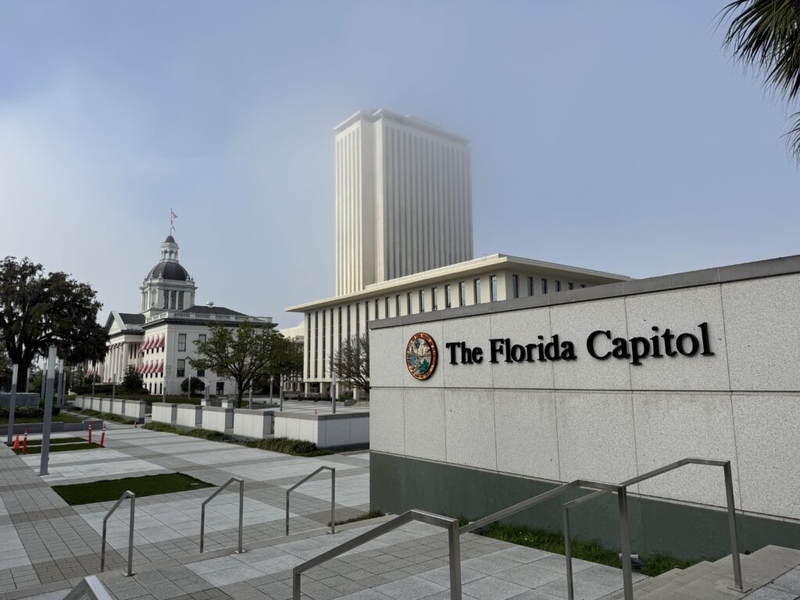
Tallahassee, FL