Pa. DHS official throws cold water on the latest push to rein in PBMs — this time by hiring one
Jun 10, 2026 | 7:14 pm ET
Description
Proponents of the plan point to successes in other states. Ohio reportedly saved $140 million over a two-year period while benefitting pharmacists. (Whitney Downard/Pennsylvania Capital-Star)
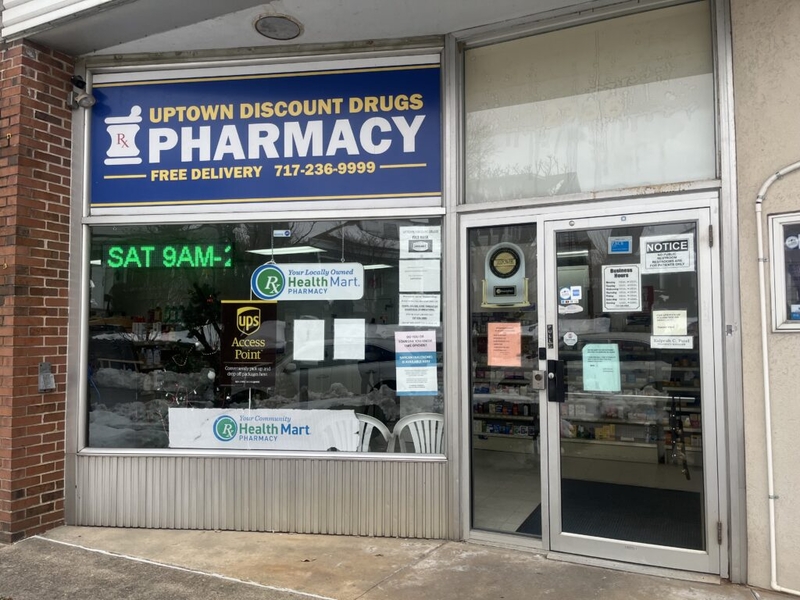
More than 1,000 pharmacies have shuttered across Pennsylvania since 2020 – and for years, a group of state lawmakers has been working to stem the closures through legislative action.
Their efforts have largely focused on regulating middlemen in the pharmaceutical supply chain called pharmacy benefit managers, or PBMs, which pharmacists say are squeezing them out of business.
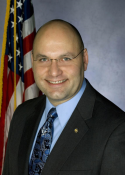
The latest proposal, put forward in a bill sponsored by Rep. Rob Matzie (D-Beaver) seeks to empower the state to rein in PBMs by hiring one of their own. His bill would direct the state Department of Human Services to hire a single PBM to manage the prescription drug side of Medicaid plans offered by the commonwealth.
As it stands, each insurance company that offers a Medicaid plan generally contracts a PBM to oversee prescription benefits. By consolidating all plans to a single PBM, the state would gain more control and could allow pharmacists to receive more money for the drugs they dispense.
Proponents of the plan point to successes in other states that have done the same. Ohio, for example, implemented a single PBM model for their Medicaid plans in 2022, and reportedly saved $140 million over a two-year period while benefitting pharmacists.
But that strategy might not yield the same success in Pennsylvania and could even cost the state millions, according to Sally Kozak, the deputy secretary of the Department of Human Services’ Office of Medical Assistance Programs.
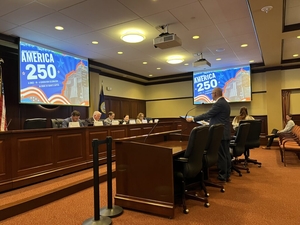
“Moving to a single [pharmacy benefit administrator] would only add cost, time and risk without seeing the savings that some other states have seen,” Kozak told lawmakers in a House Health Committee hearing Wednesday . “In addition, a Medicaid PBA would only reach a small share of the prescriptions that Pennsylvanians fill, so it alone can not solve the pressures that the pharmacies that are closing are seeing.”
But others testifying before the committee, and a number of supportive lawmakers, pushed back on Kozak’s claims, and highlighted the potential benefits for community pharmacies.
“This will not be a pilot program. Other states have moved in this direction and the numbers don’t lie,” Matzie said. “Beyond the dollars and cents, we all know that some PBMs for a variety of reasons pick winners and losers. And the losers, so to speak, have been not only community pharmacies, but some of our chain pharmacies. Rite Aid is a great example.”
He added that his bill would “move us even closer to protecting pharmacy access, curbing the influence of costly middlemen and ensuring every Pennsylvanian can get the care they need.”
For many Pennsylvanians, pharmacies offer a crucial access point to the healthcare system, where they can seek free medical advice from professionals without appointments.
‘Real challenges’
PBMs are hired by insurance companies to manage the prescription benefit sides of their healthcare plans. In that role, they establish lists of covered medications called formularies, often negotiating deals with drug manufacturers that net them kickbacks in exchange for approving their products.
At the same time, they sign agreements with pharmacies that influence how much they’re paid for dispensing drugs. Pharmacies purchase their medication supply from wholesalers, but their agreements with PBMs dictate how much they’re reimbursed when a patient uses their insurance to cover a script.
But many pharmacists say those reimbursement rates have been shrinking for years, to the point where they’re struggling to profit even as their businesses grow or hold steady.
Prescription for trouble: Pennsylvania pharmacists say PBMs are driving pharmacy closures
That’s in part because of the companies’ size. Just three PBMs —CVS Caremark, Express Scripts and Optum Rx — handle an estimated 80% of all prescription drug claims in the U.S., according to a 2024 Federal Trade Commission report. Pharmacists say that means they’re faced with a choice: either accept the reimbursement rates offered by those companies, or be unable to accept a large portion of their patients’ insurance.
Plus, each of the three largest PBMs are part of healthcare conglomerates that also own major insurance companies, as well as brick and mortar or mail order pharmacies. CVS Caremark, for example, is owned by the same company that owns CVS pharmacies and the health insurance giant Aetna. CVS Health ranks sixth on the Fortune 500 list of top U.S. companies ranked by revenue. OptumRx is owned by UnitedHealth Group, which ranks third. Cigna, which owns Express Scripts, ranks 14th.
Pharmacists and regulators have accused those PBMs of engaging in anti-competitive practices that benefit affiliated pharmacies and steer patients towards them, while overcharging and aggressively auditing independent stores.
Those practices were addressed in a bill signed by Gov. Josh Shapiro in 2024. However, the provisions of that bill mostly applied to just employer-funded health insurance plans, which operate under a different regulatory framework as Medicaid plans.
The bill also did not directly address the issue of low reimbursement rates, which advocates say is arguably the largest issue driving pharmacies out of business. Though PBMs say there are larger issues.
“There’s no question that independent pharmacies face real challenges, such as consumer use of mail order and online pharmacies and big box stores taking away market share,” said Greg Lopes, a spokesperson for the Pharmaceutical Care Management Association, a trade group that represents PBMs. “However, putting a tax on every prescription dispensed in Pennsylvania will result in much higher drug costs for Pennsylvania patients.”
He added, “We can’t do our work without pharmacies. That’s why PBMs offer innovative, transparent reimbursement programs, provide higher reimbursement to rural pharmacies, and build pharmacy networks to support independent pharmacies in Pennsylvania. Together, these approaches can reduce strain on the broader health care system while delivering high-quality care.”
Matzie’s bill directing DHS to hire a single PBM for its Medicaid plans would allow the state to set reimbursement rates based on the actual price of drugs and the cost of dispensing them.
A 2020 study commissioned by the National Association of Chain Drug Stores, the National Association of Specialty Pharmacies and the National Community Pharmacists Association found the average cost to a pharmacy of dispensing a drug — which includes employee time, and materials like bottles and labels — was around $12.40.
It’s not uncommon, however, for PBMs to offer dispensing fees as low as $1.00 or less.
Scott Newton, the owner of Gaughn’s Drug Store in Warren County, told lawmakers the average cost of filling a prescription in his pharmacy is around $12. But he estimates his pharmacy only nets around $8 on those he fills through Medicaid.
“After accounting for staffing, technology, keeping our lights on, all those kinds of things, we’re losing money on a majority of those prescriptions,” he said. “It’s not a sustainable model that we have today. Most people assume that if a pharmacy’s busy, it must be doing well financially. Unfortunately that’s no longer true.”

According to Kozak, it’s unclear whether the federal Centers for Medicare and Medicaid Services would approve the state government setting rates for Medicaid providers. Since the passage of the One Big Beautiful Bill, the Centers for Medicare and Medicaid Services has been less likely to approve state-mandated minimum drug payments through the Medicaid program, which would require federal signoff, she said.
Kozak also pointed out that the DHS has already taken steps to cut administrative costs across Pennsylvania Medicaid plans that states like Ohio did not take before implementing a single PBM model, meaning the commonwealth might not see the same savings.
Rick Seipp, the president of Value Drug Company based out of Duncansville, Blair County, said the plan could still benefit Pennsylvania pharmacies.
“Each one of the MCOs has their own hurdles, their own rules, prior authorization processes, provider services, audit requirements… Centralization of just having one PBM actually simplifies that process. It’s essentially one oversight from the department, from the state, and also one place where a pharmacy and provider can go and have those conversations,” he said.
He also noted that Minnesota recently received authorization from the Centers for Medicare and Medicaid Services to set a reimbursement floor for pharmacies through their own single PBM program.
‘One of many ways to help’
Matzie’s bill would only give the state more control over prescriptions filled by people insured through Medicaid. Just 12% of prescriptions filled in Pennsylvania are covered by state Medical Assistance Programs, according to DHS estimates.
But some pharmacies, especially in urban areas like Philadelphia, have patient bases that are much more likely to be insured through Medicaid than other parts of the state, according to Rob Frankil, executive director of the Philadelphia Association of Retail Druggists.
“It would make a huge difference to them,” he told the Capital-Star.
Rep. Jessica Benham (D-Allegheny) is also pushing for another proposal that would require larger reimbursements for PBMs working with employer-sponsored plans, which cover another 35% of prescriptions filled in Pennsylvania.
Benham told the Capital-Star she plans to introduce a bill that would require PBMs representing those plans to reimburse pharmacists based on the average cost of acquiring a drug, plus a dispensing fee of more than $10.
But she says that proposal, along with Matzie’s bill, need to be parts of a larger, multi-pronged approach to help pharmacies.
“In my view, [the single PBM bill] is one of many ways to help pharmacists in Pennsylvania,” she said in an email. “We need a dispensing floor in both Medicaid and commercial insurance spaces. We need greater transparency. We also need federal action because there’s only so much we can do on the state level.”
A recent report by the state Insurance Department found that requiring a minimum reimbursement rate for commercial plans based on average drug costs and a $10.49 dispensing fee would have increased drug spending by roughly $55.7 million between 2022 and 2024, which would have accounted for less than 1% of drug spending in Pennsylvania.
They also found it would have netted independent retail pharmacies an estimated $14 million annually, and primarily benefit pharmacies not affiliated with PBMs.
Harrisburg, PA