Metro sues state again to block airport board takeover
Jun 10, 2026 | 2:43 pm ET
Description
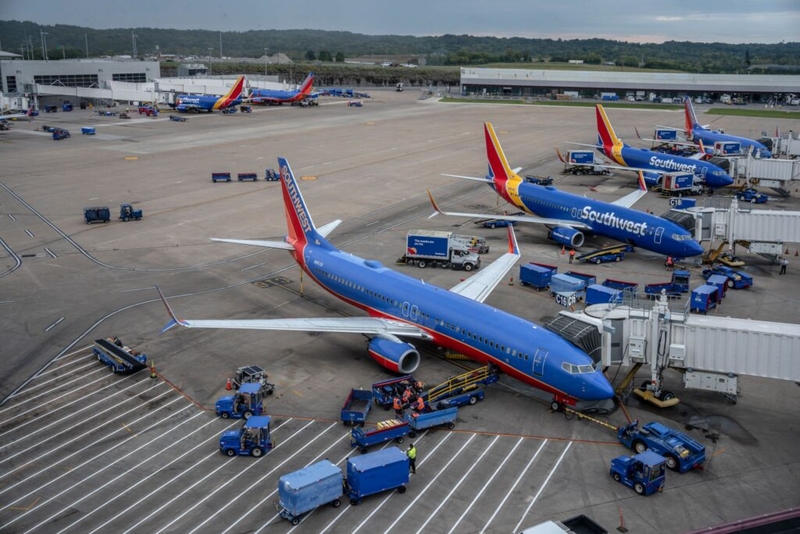
In an ongoing battle between a state takeover of the Metro Nashville Airport Authority, the authority voted on June 10 to sue state officials again. (Photo: John Partipilo/Tennessee Lookout)
Metro Nashville was set to file suit Wednesday, joined by the Metro Nashville Airport Authority, against the state of Tennessee to stop another airport board takeover.
Metro’s attorneys were to file suit in federal court seeking an injunction to avert a state law vacating five airport boards across the state and enabling them to be replaced with state appointees.
Nashville Mayor Freddie O’Connell said he directed Metro’s attorney to “explore all possible steps” to keep the airport authority under local control.
“We are asking the court to protect our legal rights because federal law says the FAA will not approve a change of sponsor if the current board does not consent to the change,” O’Connell said. “This is a classic bait and switch by the state which wrote in its 1969 law that the state would not take over airports transferred to authorities. The success of our airport under local control is unquestioned, and in their quest for absolute control, state lawmakers have — we believe — again violated federal law.”
The move came after the airport authority voted in a specially-called meeting to hire the legal team of Campbell Haynes and Phil Cramer with Sperling Kenny Nachwalter law firm and commence with legal action in federal court to prevent the airport board from being vacated July 1. The airport set a $100,000 limit on legal fees connected to the litigation.
Tennessee Supreme Court hears arguments in Legislature’s laws targeting Nashville
The lawsuit seeks an expedited decision to stop the board from being dissolved and replaced, Metro Legal Director Wally Dietz said.
The lawsuit is based on the 2024 Federal Aviation Administration Reauthorization Act passed by Congress, which stops states from taking over airport authorities in situations where the board objects. The measure was sponsored by the late Rep. John Lewis of Georgia and backed by U.S. Sen. Raphael Warnock to prevent similar takeovers in Georgia and several other states.
Lewis passed the legislation “exactly for this kind of attack,” said authority member Andrew Byrd, who called for a vote to hire the outside counsel and sue the state.
The FAA would be able to approve the takeover of an airport board only if it agreed to the replacement or reached a binding agreement with the state or a court resolved the matter.
The lawsuit came after the Tennessee Legislature passed legislation vacating the airport boards in Nashville, Memphis, Knoxville, Chattanooga and Tri-Cities and giving the governor, House and Senate speakers and the Nashville mayor authority to fill those positions. The law took effect in late May.
Cramer told the board they could not “square” the state law with the FAA act containing a provision allowing airport boards to object to state moves to vacate and replace them.
Lawmakers passed the measure this April, three years after a three-judge panel blocked the legislature’s first effort to take control of the Nashville airport, saying it violated the state’s Home Rule Amendment, which prohibits the legislature from singling out a city or county government without its permission.
Nashville International Airport President and CEO Doug Kreulen raised concerns about the cost of entering litigation and said the airport’s airlines don’t want the airport to get “bogged down” in a protracted lawsuit.
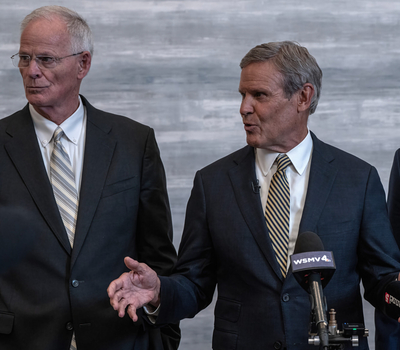
But the airport board moved forward with the decision to join the lawsuit.
Besides its legal team, Metro Nashville is represented by state Sen. Jeff Yarbro of Nashville and former Attorney General Bob Cooper of Bass, Berry and Sims.
“This is fundamentally a board decision, and this board decided it was an existential matter and they wanted to stay in power,” Dietz said.
Republican lawmakers approved several bills in 2023 targeting Metro Nashville boards and other governing powers in retaliation for Metro blocking the 2024 Republican National Convention from being held in the city. The Metro Council vote came after lawmakers broke up Nashville’s only U.S. congressional district.
House Speaker Cameron Sexton of Crossville, who also maintains a home in Nashville, and Republican Sen. Paul Bailey of Sparta, a candidate for the Senate speaker’s seat this year, sponsored the legislation this year, claiming the state should have more control of the board because the airport is a regional facility that receives some $50 million in state funds annually.
Bailey said Wednesday the legislature felt it was in the “best interest” of the airport and the state for lawmakers to be able to appoint authority members. He added he wasn’t aware of the 2024 federal law but acknowledged it gives Metro Nashville a “pathway to push back on anything at the state level” and said it will be interesting to see how the court rules.
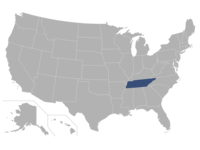
Nashville, TN