WV Family Support Centers face uncertain July TANF funding and future; lawmakers seek info
Jun 10, 2026 | 6:00 am ET
Description
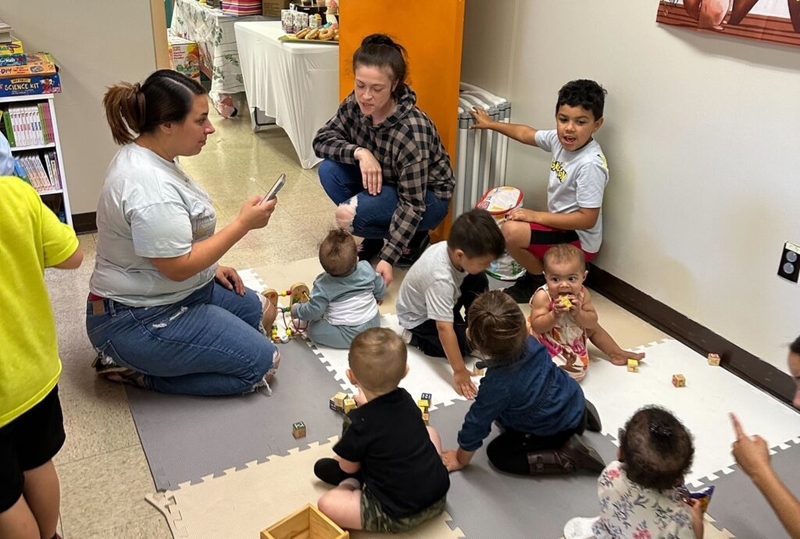
The Harrison County Family Support Center offers support classes for local families, including many involved with the foster care system. (Photo courtesy of the Harrison County Family Support Center)
West Virginia’s Family Support Centers, which provide a multitude of services to needy families across the state, face uncertain budgets and possible job and services cuts next month.
FSCs, located in every county, are grappling with unresolved contracts with the state that haven’t been solidified yet, with a July 1 deadline.
The centers mainly rely on federal anti-poverty dollars to operate facilitated by the state Department of Human Services. After lawmakers approved funding, Gov. Patrick Morrisey said West Virginia’s share of that federal money faces a $40 million structural deficit and could result in cuts.
“A lot of them do not have funding at the capacity that it would take to keep on all of this staff and programming in the long term,” said Hannah Dodson, co-chair of the Family Support Centers Association. “There are some counties where the FSC is their only resource.”
FSCs provide parenting classes to help reunify families involved in foster care, hand out diapers to new parents in need, respond to local emergencies and much more. The organizations regularly deliver beds to children in foster care so they have somewhere to sleep.
Dodson is also the director of the Harrison County Family Support Center, which has served more than 900 families in the last year.
“We have already had to have hard conversations with our staff about, come June 30, what does this mean? We’re letting our families down,” she said.
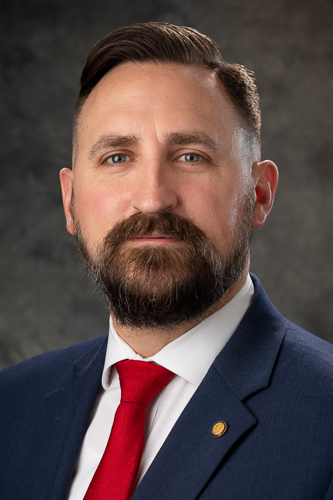
Following Morrisey’s announcement of potential TANF cuts, Joint Standing Committee on Health Co-Chair Del. Evan Worrell said he plans to have the Tucker County FSC director present information to lawmakers when they gather next week in Davis for legislative interim meetings.
“My job as a chair is to provide opportunities to educate our members, so they can make good sound policy decisions on legislative items,” said Worrell, R-Cabell. “A lot of people don’t know what the Family Resource Networks or Family Support Centers do, and so I saw it as an opportunity in Canaan to have a local Tucker County Family Resource Network come and educate our members.”
In Berkeley County, the Family Support Center has served 685 individuals, many of whom were grandparents raising their grandchildren. More than 100 children served had disabilities. The site offers after-school programming, child safety education, hygiene items, community baby showers and more.
“The lack of funding impacts the program’s thousands of children and families — not only here but throughout the state — and their well-being,” said Kelly Franklin, director of the Family Support Center in Berkeley County. “These centers are here to serve families before challenges become a crisis. Obviously, we won’t be able to take any new referrals.”
‘This could mean that local people will lose jobs’
DoHS did not respond to an email from West Virginia Watch seeking information about contract issues.
“It’s just really hard to see all of that grassroots community impact abruptly potentially stop because of a lack of communication and of the unknown,” Dodson said.
FSCs employ more than 230 people statewide.
“These are not entry level staff,” said Franklin, who holds a doctorate degree. “The years of experience being lost is detrimental.”
With the looming July 1 contract deadline, Lewis County Family Resource Network Executive Director Deanna Palmer said, “FSCs across the state are currently making contingency plans for staffing, programming and operations after June 30.”
“This could mean that local people will lose jobs, local programming will end and local family support may not be available,” she said.
Family Resource Networks, or FRNs, are also dealing with uncertain funding on a three-week deadline. State lawmakers recently allocated roughly $1.8 million in the fiscal year 2027 budget to statewide FRNs. Palmer said the organizations have yet to hear from the state about contracts, specific funding amounts and projected timelines by July 1.
“These community concerns, and family needs, don’t end just because a contract is on hold,” Palmer said. “It’s sad and feels unreal that a surprise announcement about potential budget cuts could jeopardize these important family support programs across the state.”
Lawmakers want more information on TANF deficit
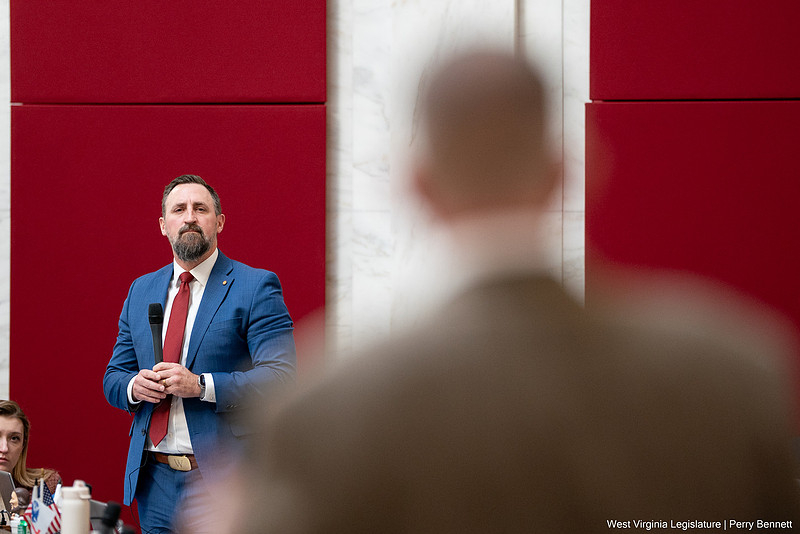
Lawmakers have said that they want to learn more about the alleged structural deficit in federal Temporary Assistance for Needy Families dollars, since they weren’t alerted to any looming financial shortfalls while crafting the budget a few months ago.
“I think there’s a lot of questions to still be answered,” House Speaker Roger Hanshaw, R-Clay, said last month on MetroNews Midday, a statewide radio show.
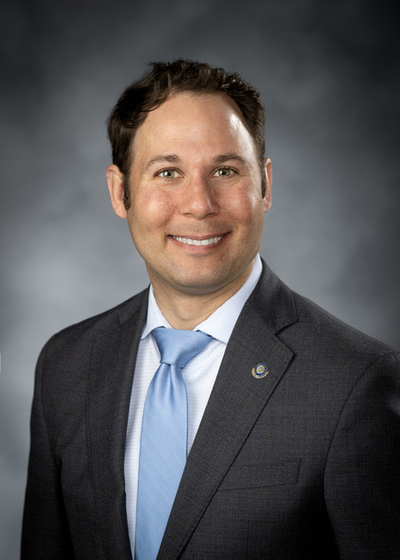
Sen. Joey Garcia, D-Marion, also wants to know more about the TANF potential deficit. He said, “Gov. Morrisey continues making bad policy decisions that remove important funding and support for families and children.”
“I think it’s important for us as legislators to understand the critical role of TANF-supported services to prevent children from entering foster care in the first place and support family reunification,” said Garcia, who serves on the Joint Health Committee. “If funding is cut by the governor, how many of these local agencies will close and will this be another impediment to safely reducing the number of children in our foster care system?”
The projected deficit, according to Morrisey, follows increased TANF spending during the COVID-19 pandemic, when more federal dollars were coming into the state. Organizations have continued to operate at that spending level despite a drop off in federal funds, the governor said.
“There are temporary carryover balances that help avoid this being a today problem, but those funds are shrinking quickly, and we have to address it,” Morrisey said during a May press conference. “The program can go on potentially for up to 18 months, but we have to now make the changes that are going to make sure that there are no structural deficits within TANF.”
Morrisey has said TANF cuts could impact Family Support Centers, a child care assistance program for working families and a clothing voucher program that helps low-income children. He planned to discuss with lawmakers possible TANF changes as he deals with the projected deficit.
In the Eastern Panhandle, Franklin has encouraged local families to contact the governor’s office in hopes of securing funding by next month.
“Together, we can keep these vital services available for the families who rely on them every day,” she wrote in a social media post.
Charleston, WV