Idaho US Sen. Crapo’s 2025 housing survey identifies housing challenges faced by Idahoans
Jun 06, 2026 | 6:30 am ET
Description
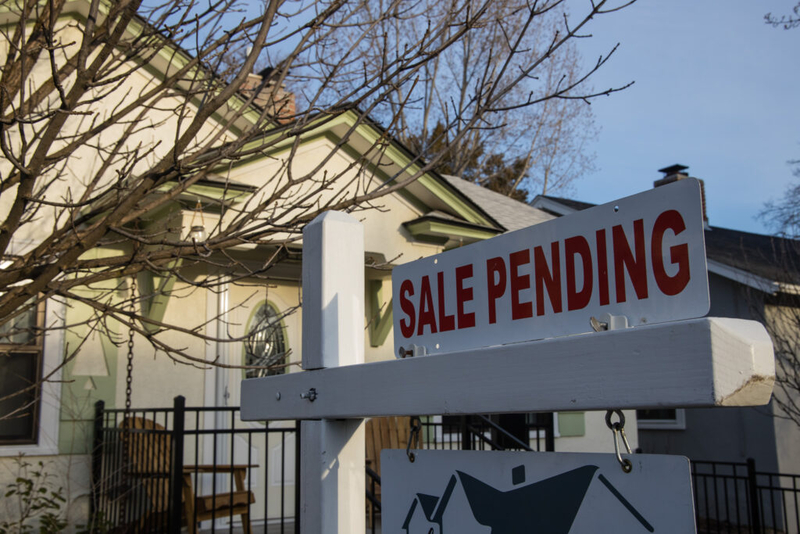
A house for sale in the North End of Boise on March 21, 2021. (Otto Kitsinger for the Idaho Capital Sun)
Idaho homeowners and renters alike are struggling with rising costs of living and agree that more housing types are needed, according to a survey conducted in 2025 by the office of U.S. Sen. Mike Crapo.

The Idaho Republican senator’s office on Thursday released the results of a report created through the survey. More than 5,000 Idahoans responded, according to the report, the largest percentage of whom were aged 65 or older.
Survey results highlighted renters facing immediate affordability challenges, such as application fees, rent and deposit costs, and homeowners concerned by long-term affordability issues with rising property taxes and insurance. The Idaho Legislature has in some cases hampered local governments’ ability to address some of the issues identified by survey respondents.
“The input we received from Idahoans shapes ongoing solutions to address housing challenges facing the state and country,” Crapo said in a press release. “I thank residents, community leaders, local officials and industry professionals who took the time to share their perspectives and expertise. This feedback will continue to help guide legislation that takes meaningful steps toward increasing housing supply and strengthening affordable housing opportunities for Idaho families.”
Idaho renters are seeing higher cost burden
Renters who responded to the survey more frequently reported spending more than 30% of their household income on housing, which is a federally recognized threshold to be considered “cost burdened” by housing.
Of renters who reported earning between $4,000 and $7,000 a month, nearly 60% said they spent more than 30% of their monthly income on housing costs. For renters who earned less than $4,000, nearly 80% were considered cost burdened.
“Overall, this data illustrates a disparity in housing affordability, with renters and those with lower incomes generally experiencing a higher housing cost burden compared to homeowners and higher-income individuals,” the report said.
Nearly 90% of renters also reported high upfront costs when moving in, such as first and last month’s rent and security and pet deposits and 64% reported high application fees.
A small number of respondents said they were using federal housing assistance, at 5%, but the majority of those said they had trouble finding available rentals that accept their housing vouchers for low-income and veteran residents.
One survey respondent wrote, “‘We don’t accept Section 8’ is the first thing I hear when I call about a listing.”
Idaho Legislature has limited some local ability to pass renter protections
Boise’s city government in 2023 passed a package of rental protections including those to limit application fees to $30 and to prohibit landlords from discriminating against applicants based on income source, including use of federal housing vouchers through the Section 8 program, BoiseDev reported at the time. However, the Idaho Legislature in 2024 passed legislation striking down Idaho cities’ ability to regulate landowners regarding acceptance of Section 8 housing vouchers or application fees, striking down Boise’s ordinances, BoiseDev reported.
The bill’s sponsor said Boise’s restrictions reduced incentives for developers to come into the cities and devalued property.
An effort in 2025 by Boise Democratic Sen. Ali Rabe, to place some restrictions on rental applications passed the Idaho Senate but died without a hearing in the House Business Committee.
Survey respondents from southwest Idaho reported a need for stronger tenant protections, “including enforcement of existing rights, caps on application fees and preventing discrimination based on housing vouchers and source of income,” according to the report.
Idaho homeowners reported concerns over property taxes, high mortgage rates
About 45% of the respondents who were homeowners said their property taxes were a burden on their monthly household budget, according to the report.
Survey respondents also indicated that if they bought their home during periods of low mortgage rates, they are reluctant to leave their home, which can limit the supply.
Many of the respondents who were homeowners expressed the most concern for the difficulty for the younger generation to own a home, the report said.
Out-of-state ownership, lack of diverse housing supply targeted as problems across Idaho
Respondents in almost every region expressed a desire for more housing types, such as small homes, townhouses, duplexes and other housing types that might be more affordable.
In North Idaho, a summary of results there found that homeowners “see a need for more than just large, expensive single-family homes, including accessory dwelling units, cooperative housing and deed-restricted communities.”
In north central Idaho, which includes Lewiston, respondents who are homeowners expressed a desire for smaller homes on smaller lots rather than urban sprawl. South central Idaho homeowners reported a desire for some more multi-family housing, such as duplexes, or triplexes or small apartment complexes.
East Idaho respondents wanted to see more affordable small homes built, and options for seniors to downsize. Southwest Idaho respondents wanted to see increased density, such as taller apartments.
Respondents’ expressed a desire for less regulation and ease of permitting, but many also wanted restrictions to maintain neighborhood character.
“Many respondents highlight desires for ‘less red tape for permitting’ and express concerns about new-builds being ‘too over regulated,’ while others point to desires to preserve community character,” the report said. “One homeowner explicitly stated, ‘I don’t want to see low-income, high density housing anywhere near me.’ This dynamic reveals a significant policy challenge of NIMBYism (Not in My Backyard).”
Idaho Legislature this year approved package of housing bills meant to increase supply

Idaho Gov. Brad Little this year signed a package of bills meant to increase housing availability in the state by potentially overriding local zoning restrictions to allow for smaller, denser housing in cities with more than 10,000 people, BoiseDev reported.
Senate Bills 1352 prevents cities from requiring lot sizes larger than 1,500 square feet and restricts setback requirements. SB 1354 prohibits cities from banning smaller, detached dwellings, called accessory dwelling units or ADUs on residential land.
HB 800 allows manufactured homes to be placed on a residential lot zoned for single-family lots unless there’s a homeowner’s association restriction. Another bill, HB 706, allows cities the option of changing building codes to allow smaller apartment buildings to be served by a single stairway.
Many of the bills were crafted as a result of recommendations from the 2025 interim Land Use and Housing Study Committee, which brought together legislators, local leaders, builders, and others to create recommendations to improve housing availability and affordability.

Short-term rentals highlighted as a barrier in resort areas. The Idaho Legislature has limited ability to regulate them.
The report highlighted that the impact of short-term rentals, like Airbnbs, on housing availability was prominent from respondents in areas around Valley County, Ketchum, Driggs, Moscow and Sandpoint.
Both homeowner and renter respondents say that the proliferation of these short-term rentals limited housing supply for local workers.
“These properties are frequently cited as a problem, with many advocating for restrictions,” the report said.
This year, Idaho lawmakers passed HB 583, which limits local governments’ ability to regulate short-term rentals unless it is necessary for public health and safety. The law overrode a number of regulations approved by the City of McCall in 2022, Valley Lookout reported.
The bill’s supporters said it strengthened individual property rights.
Boise, ID