Youth mental health system in NJ hurts kids, frustrates parents, study says
Jun 05, 2026 | 6:00 am ET
Description
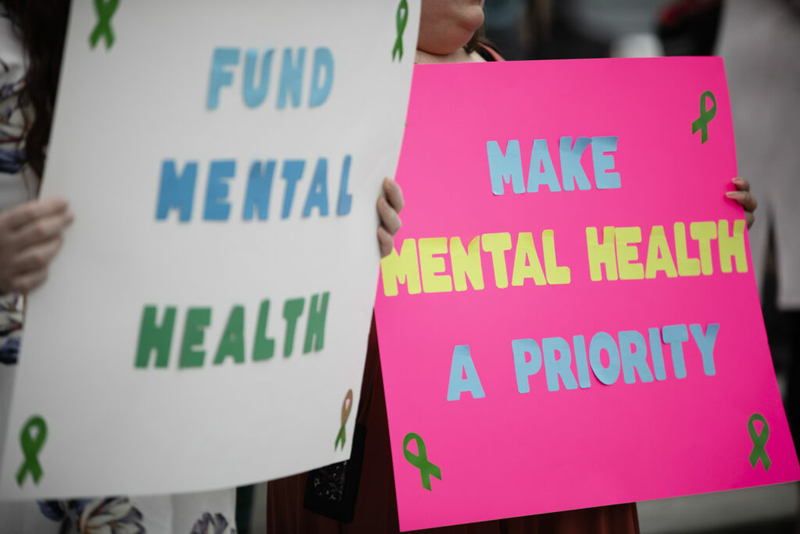
Lawmakers proposed fixes to NJ's child mental health system in response to a report saying it frustrates parents and leaves kids waiting for care. (Photo by Amanda Berg)
Democratic lawmakers are pledging to introduce a package of bills to address New Jersey’s youth mental health system, which parents say is hard to navigate and can leave kids waiting months if not years for proper treatment.
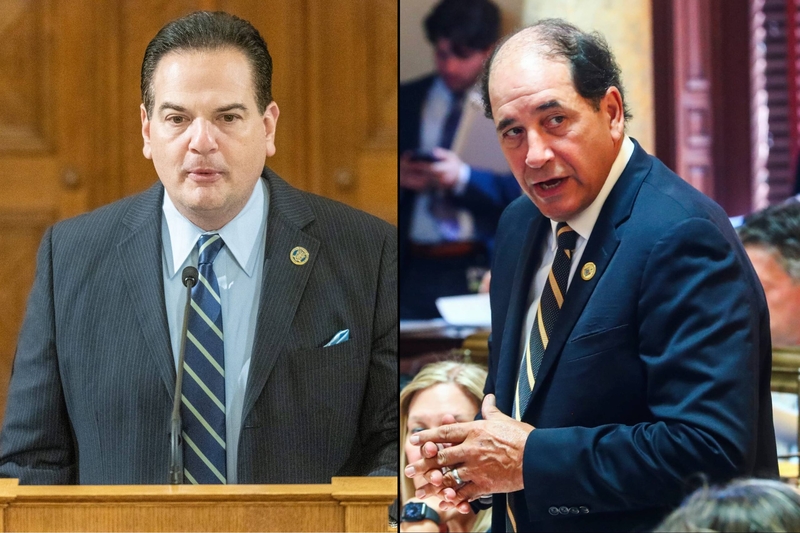
Sponsored by Sen. President Nicholas Scutari (D-Union) and Sen. Joe Vitale (D-Middlesex), the legislation is being drafted to address the findings of a report released Thursday by the New Jersey Health Care Quality Institute that outlines 17 recommendations designed to strengthen the workforce, improve coordination between programs and agencies, give schools new ways to support students, and do more to make sure health insurance provider lists are accurate.
“Children’s mental health is one of the defining public health challenges of our time. The research shows that the earlier children receive support, the better the outcomes for families, schools, and communities,” Vitale said.
As it is, New Jersey is failing the way it takes care of its kids, Vitale said. He told the New Jersey Monitor that lawmakers are working with Gov. Mikie Sherrill’s office on the legislative package and said the first bills would be posted for a hearing next week.
In her $60.7 billion budget proposal, Sherrill called for spending $33 million on a new grant program to help schools pay for mental health staff. That plan would have eliminated an existing program in which schools can partner with a regional mental health provider to run preventative programs and offer some clinical services. Lawmakers have until July 1 to finalize an annual budget.
Sherrill spokeswoman Maggie Garbarino said the governor has heard from many stakeholders and now plans to continue contracts for the existing regional program, known as NJ4S, contingent upon funding in the upcoming budget. Garbarino did not mention the potential grant program, which Sherrill coined Spark.
“As Governor Sherrill made clear in her budget proposal, she is committed to addressing the youth mental health crisis and getting relief to New Jersey families by meeting students where they are. The Sherrill Administration has continued to engage with stakeholders — including mental health providers, school district officials, and community members — about how we can best support young people and ensure continuity of services through strong, long-term implementation partnerships,” Garbarino said.
Scutari said in a statement that when the New Jersey Health Care Quality Institute was hired to map the system 18 months ago, roughly 1 in 5 children was reportedly struggling with mental health issues. Former Gov. Phil Murphy signed a bill in 2024 allocating $1 million for the study, and the state Department of Children and Families, which oversees several child mental health programs, hired the institute to do the work.
Scutari said the state needed to understand what families experience and where gaps exist.
“If we leave this unaddressed, it will continue to impair their educational achievement, emotional development, and ability to realize their full potential in life,” he said.
The Quality Institute reviewed the mental healthcare options for children under age 18 available from hospitals, community providers, state programs, and through schools. The team found fewer than 20% of the providers credentialed to accept Medicaid specifically for treating youth were actually billing for patient visits, indicating there is a big gap between the list of doctors families may be given and who is actually offering care, and just 15% of the providers at the state’s largest commercial insurance network were able to schedule an in-person pediatric mental health visit within two weeks.
Vitale called that “not acceptable,” especially since existing laws require insurance companies to contract with enough doctors to ensure patients don’t have to travel too far, or wait too long, for care.
Vitale said the legislation would strengthen the state’s ability to regulate the doctor networks compiled by insurance companies; connect schools to a psychiatry collaborative that offers remote consultations and case management; require the state to better organize, analyze, and present child mental health data; and link mental health consultants with family courts, among other things.
“I have heard from parents in my district and across the state, and so has Senate President Scutari, who have made call after call. Who get put on waitlists. Who are struggling to help their children. We have a responsibility to make sure this system is easier to navigate,” said Assemblywoman Linda Carter (D-Union), who will sponsor Assembly versions of the bills.
Hospitals reported treating more than 50,000 children annually for mental health issues in recent years, according to the report, both as inpatients and outpatients. Some kids are held in acute care while waiting for a spot in a specialized group home, delays that stretched past 100 days on average for children referred to a certain type of housing — and double that for youngsters who also had intellectual or developmental disabilities. One child waited more than four years for a spot, researchers found.
Bob and Yvette Pusateri of Maplewood found there were zero treatment options in the Garden State for their son, who had multiple mental health diagnoses, including a tendency to self-harm. He ended up spending two and a half years at a facility in Utah.
“It would have been nice if there had been somewhere in Cherry Hill,” Bob Pusateri told the New Jersey Monitor. “But there wasn’t an option in New Jersey.”
Linda Schwimmer, the Quality Institute’s president and CEO, said New Jersey’s system does include several bright spots, including the state Department of Children and Families’ “children’s system of care,” which offers coordinated services to kids with moderate and serious behavioral health needs, and a psychiatry collaborative that pairs pediatricians with mental health experts who can advise them by phone.
“New Jersey has many strengths and has nationally recognized programs, but families are still struggling to access timely and appropriate care — and delay in care is the enemy. Delay leads to greater complexity, greater complications for families and children and higher costs for them and the state,” Schwimmer said.
To expand treatment capacity, the report also calls for expanding pediatricians’ access to the psychiatry collaborative, improving data collection, and improving the workforce pipeline. It also recommends the state do more to help families understand the children’s system of care and other state-run services, while adding drop-in centers for kids in crisis that can be a less stressful option to the emergency room, something New Jersey is now trying to do for adults.
The report also urges the state to provide schools with sustainable funding to support behavioral health programs and staff, calls for better coordination between school and mental health crisis services, and recommends a uniform policy on threat assessments, or how to determine when a troubled child can re-enter the classroom.
Trenton, NJ