Prosecutors will get more power when defendants waive jury trials
Jun 04, 2026 | 5:00 am ET
Description
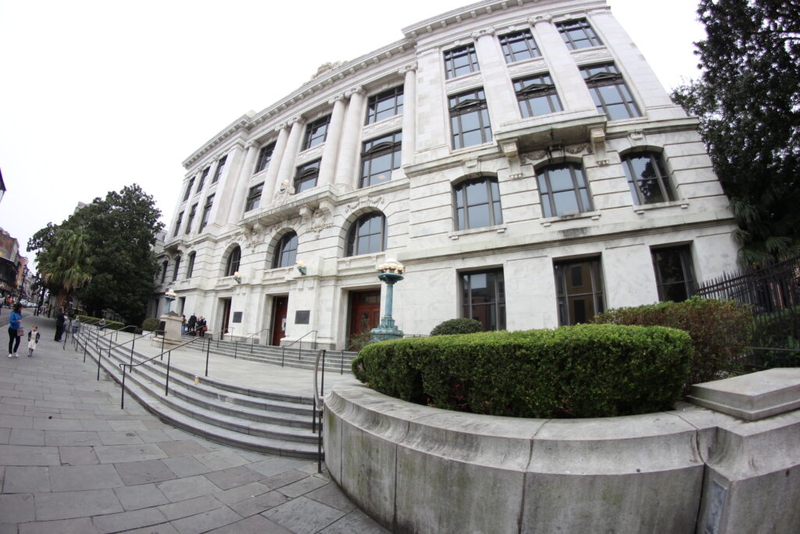
The exterior of the Louisiana Supreme Court building in New Orleans' French Quarter. (Wes Muller/Louisiana Illuminator)
Criminal defendants’ right to waive jury trials will be more complicated in Louisiana after lawmakers passed new legislation at the request of Attorney General Liz Murrill.
House Bill 310, sponsored by Rep. Josh Carlson, R-Lafayette, allows a prosecutor to move a case to a new judge, selected at random, whenever a defendant waives their constitutional right to a trial by jury. Gov. Jeff Landry signed the bill into law Friday, and it takes effect Aug. 1.
Carlson’s bill had a rocky journey through the legislature, initially failing on the House floor with fiery debate among lawmakers. It eventually cleared the chamber, and its final 27-11 passage in the Senate fell largely along party lines with Republicans prevailing.
The proposal is one of several Murrill brought to lawmakers this session. She and Carlson described it as a bill to end “judge shopping” and protect the public from supposedly lenient judges who ignore evidence and let criminals escape justice.
Under Carlson’s bill, when a defendant waives a jury trial, the case would be randomly reassigned to the remaining pool of judges in a division. The judge who was initially assigned the case would not be eligible to hear it. But the prosecutor can block the reassignment if they like the original judge who first got the case.
“The public has a vested interest in jury trials … It upholds the public’s belief in the criminal justice system,” Carlson said in an interview Monday. “But if you can randomly get assigned before a judge that’s lenient, and you are the sole person who can waive the jury trial and have a bench trial, I think that’s a misuse of the criminal justice system.”
Lawmakers spar over rights of defendants to waive jury trials
The right to a jury trial is ingrained in the U.S. Constitution. The Louisiana Constitution goes a step further, guaranteeing a defendant’s right to a jury trial and the right to waive a jury trial that many other states don’t offer. Carlson said his bill would bring Louisiana in line with those other states.
Meghan Garvey, a New Orleans public defender, said Carlson’s bill is the latest push to erode individual rights in Louisiana.
While some states handle jury trial waivers differently, Garvey said many have significantly greater protections for defendants such as by requiring grand jury indictments and probable cause hearings. In Louisiana, except in death penalty and life imprisonment cases, prosecutors can indict defendants without grand juries.
“There’s so many ways where we are completely out of bounds with protections for individuals,” Garvey said.
Another aspect of Carlson’s bill concerns a defendant’s constitutional right to a speedy trial, which typically means a trial must take place within six months of arrest for felonies. Garvey said it’s a critical right defendants often invoke in cases of malicious or politically driven prosecutions that lack evidence.
Carlson’s bill resets the speedy trial clock whenever a defendant waives a jury trial and the case goes to a new judge. This could result in a defendant spending double the amount of time in jail awaiting trial.
“Why would a legislator who’s supposed to be representing the people want to take away the rights of an individual and give them to the government?” she said. “There’s no reason for it other than to amass more power for the government.”
State lawmakers considered a similar proposal that would have required a district attorney’s consent for defendants to waive their right to a jury trial. Senate Bill 97, by Sen. Jay Morris, R-West Monroe, was a state constitutional amendment that would have needed approval from Louisiana voters. Dating back to last year, the past nine amendments placed on the statewide ballot have been rejected.
Morris’ bill advanced through the legislature, but he sidelined it before its final vote in the House.
Baton Rouge, LA