Dana Nessel plans to intervene as Consumers Energy requests $456M electrical rate increase
Jun 03, 2026 | 3:18 pm ET
Description
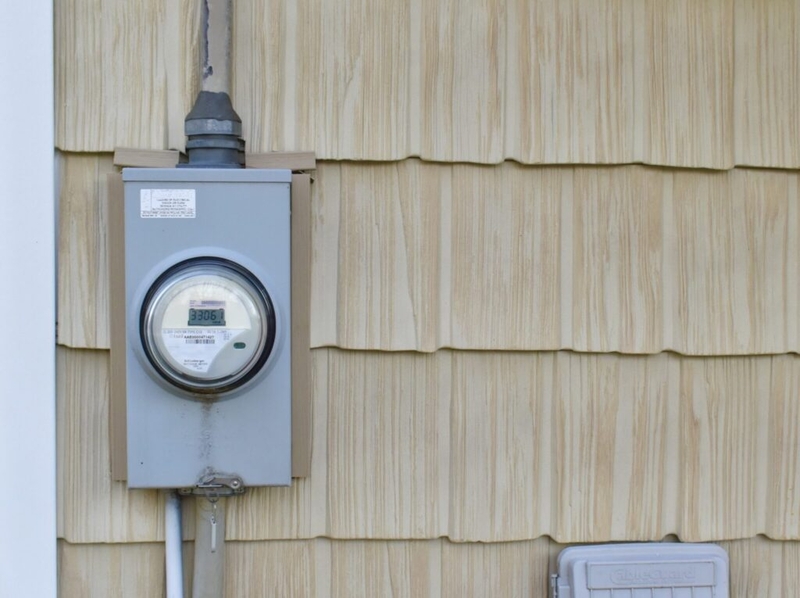
After facing costly heating bills this winter, a new report says consumers shouldn’t expect relief for the summer months, as electric prices and temperatures continue to rise. (Photo by Dave Cummings/New Hampshire Bulletin)
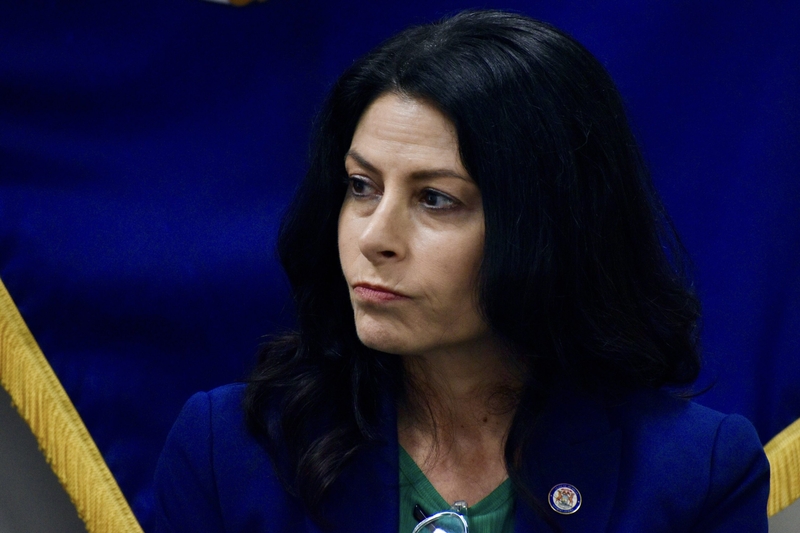
As one of Michigan’s largest energy companies filed paperwork this week to seek another increase in its electrical rates, Michigan’s Attorney General Dana Nessel has once again committed to intervening on ratepayers’ behalf.
Nessel’s announcement also saw the attorney general raise concerns about the state’s system for regulating energy costs.
On Monday, Consumers Energy submitted an application for a $456 million rate increase to the Michigan Public Service Commission. The company is also requesting approval of a 12-month surcharge totaling $25 million to cover additional spending on energy distribution that was not accounted for in its rates between March 1, 2025 and February 28, 2026.
Consumers Energy has requested an additional $52 million spread across three years to cover storm restoration expenses brought on by a series of ice storms in March and April of 2025.
In a statement released ahead of the filing, the company said the increased rates would allow the company to better manage outages.
“We want our customers to experience fewer outages — and when the power does go out, we’re focused on restoring it as quickly as possible,” said Greg Salisbury, Consumers Energy’s senior vice president of electric distribution, in a statement. “Our 2027 Reliability Action Plan is about making smart investments in the electric grid to deliver more reliable service for the people we serve. We know costs are top of mind, and we’re working every day to keep energy affordable while making the upgrades to reduce outages over time.”
Nessel, however, was critical of the company’s request for what amounts to a 9.8% rate increase, noting that the Michigan Public Service Commission approved a $276 million rate increase for the company at the end of March.
“My office will intervene in this case as we always do, but we already know the predictable pattern likely to play out: Consumers Energy loads its rate hike request with completely unsupported, inflated costs, and the MPSC simply splits the difference,” Nessel said in a statement. “Michiganders are facing an affordability crisis, and our utility companies are recording record profits.”
According to the Michigan Public Service Commission, Consumers Energy has improved its reliability, reducing the amount of time the average amount of outage per customer by 52.6 minutes between 2019 and 2024. That said, Citizens Utility Board of Michigan, a consumer advocacy group, found that Michigan had the second highest number of outage minutes per-customer of any state in the nation, noting that this was largely driven by Michigan’s major energy companies: Consumers and DTE Energy.
The Michigan League of Conservation Voters similarly shared concerns about the latest Consumers’ rate hike request, saying it was the company’s largest request in 20 years.
“While we pay more and more on our energy bills, monopoly utility companies, like Consumers Energy, make billions in profits,” Alex Kellogg, the league’s energy accountability manager said in a statement. “Our bills are too damn high already. To stop these endless rate hikes, it’s time for leaders in Lansing to pass a Ratepayer Bill of Rights to rein in rising energy costs and out-of-control utility greed.”
Lawmakers introduced pieces of a ratepayer bill of rights package in September, including policies to tie companies’ rate increases to their performance, bar utilities from donating to state lawmakers, ensure fair compensation for long-term outages and instate protections to ensure customers do not pay for CEO bonuses and other perks.
Over 562K signatures filed for proposal to ban campaign spending by utilities, state contractors
Consumers’ requested increase also drew criticism from the Michiganders for Money Out of Politics ballot committee, who are behind an effort to ban utility companies and state contractors from making campaign contributions due to concerns about their influence in state government.
“If this nearly half-a-billion-dollar rate hike request isn’t a clear sign that utilities like Consumers Energy need to stop buying our politicians, then I don’t know what is,” Sean McBrearty, a co-chair of the group’s steering committee, said in a statement. “Michigan’s pay-to-play political system only emboldens powerful corporations, and Michiganders overwhelmingly agree that our government should work for the people, not corporations.”
Lansing, MI