So it begins: Legislature opens FY 26-27 budget negotiations
May 12, 2026 | 2:31 pm ET
Description
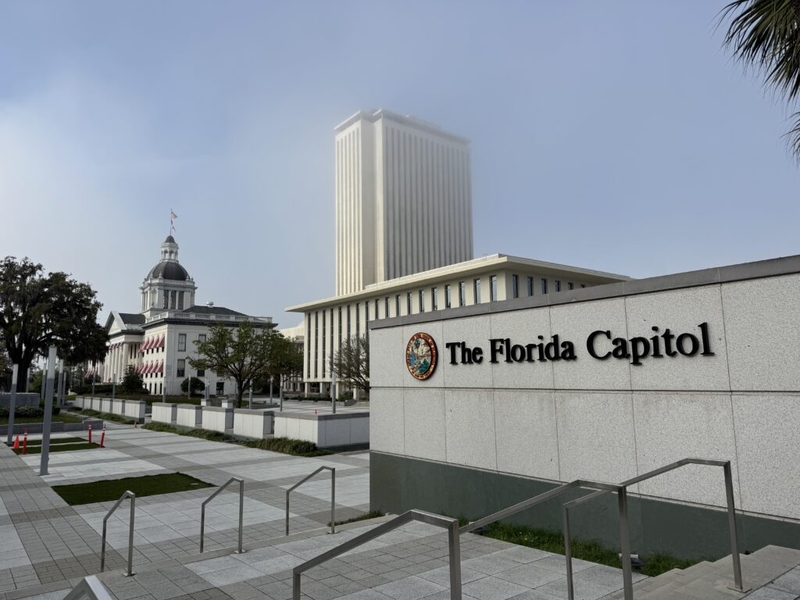
The Florida Capitol building on March 11, 2026, as the legislative session neared its end. (Photo by Jay Waagmeester/Florida Phoenix)
Florida lawmakers reconvened Tuesday for late-term budget negotiations, kicking off the planned three-week special session to decide how much money the state will spend in the 2026 fiscal year.
Conference committees — joint House and Senate panels for resolving spending differences — would meet later Tuesday, leaders said, in hopes of passing the only bill mandated by the Florida Constitution: the budget.
This is the second special session this year, and the fifth under House Speaker Daniel Perez and Senate President Ben Albritton. It comes at a financial cost to the taxpayers and amid particularly tense relations between the chambers and Gov. Ron DeSantis, who previously enjoyed an iron grasp over a subservient Legislature in the run-up to his presidential bid.
That changed under Perez and Albritton — the latter of whom hasn’t held a press conference since the regular session’s end in March.
The House and Senate are both working off budget bills they passed during the regular session.
House Democratic Leader Fentrice Driskell, meanwhile, voiced concerns with the process the House followed that allowed the budget negotiations to begin.
Driskell took aim at Perez for not allowing members to ask questions or to debate the budget, before being asked to vote Tuesday to ultimately pass the budget from the House floor. That passed, 98-8.
The Senate took a similar procedural vote, 32-0, to pass its version of the budget to guide state spending from July 1 through June 30, 2027.
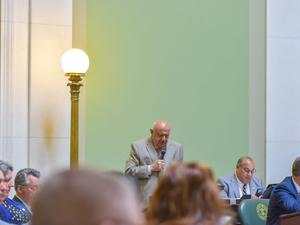
“Questions and debate have already happened on these bills during the regular session,” Perez said Tuesday morning, noting the in-the-weeds procedural mechanisms needed to push the budget bills into conference committees.
“All that remains are a series of motions to put these bills into proper posture,” he continued. “Because we are being efficient with our time today, we will begin conferencing this afternoon.”
In addition to agreeing to re-introduce their respective spending plans the chambers also agreed to reintroduce implementing and conforming bills that accompany the budget. Implementing bills, similar to the budget, remain in effect for one year. Conforming bills, like regular legislation, permanently change statutes or create new ones and are in effect until repealed or altered.
Driskell insisted the minority party has a right to be heard, even if the bills are the same as before, saying the economy, immigration enforcement, and other issues have evolved since the first vote.
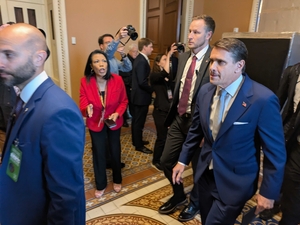
“I think that the underlying assumptions that inform a budget are different,” she told reporters. “I’ve been reading the same news that you have been — that the state might be reconsidering its position on “Alligator Alcatraz,” including potentially closing that down. Our positions on immigration might be evolving. There’s a lot that’s happened. The economy is not the same,” Driskell said.
The House is governed by procedural rules and refusing to allow Democrats to ask questions before voting represented “a serious departure,” she said.
“And I think that when you’re talking about a budget of over $100 billion, we have to take the time to make sure that we get it right, and I don’t think that that is an inconvenient thing. And, of course, I share the speaker’s desire for efficiency, but I also think that process matters, and we have to be very careful not to allow for these degradations of process, because I don’t want to see future bodies continue that.”
Christine Sexton, Jay Waagmeester, and Liv Caputo contributed to this report.
Tallahassee, FL