WV lawmakers’ hallmark child care legislation becomes law without Morrisey’s signature
Apr 03, 2026 | 6:00 am ET
Description
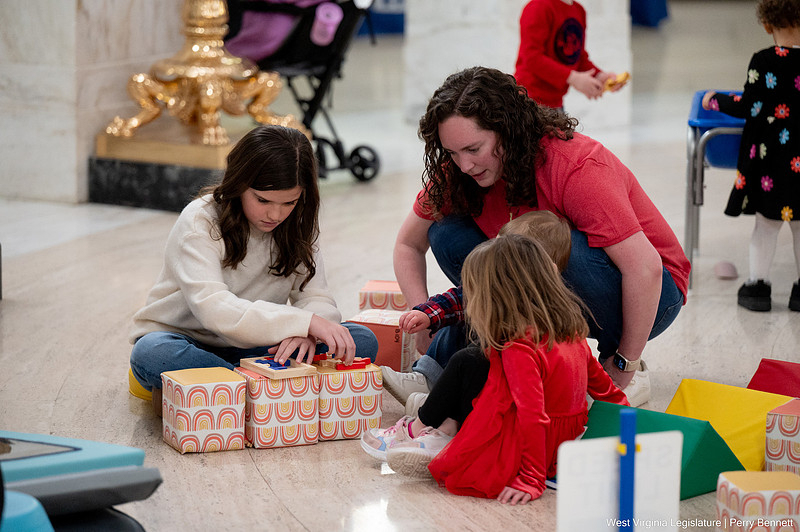
Child care providers and families attended Child Care Day at the West Virginia Capitol Feb. 2, 2026, to advocate for legislation supporting the state’s struggling child care industry. (Photo by Perry Bennett/West Virginia Legislative Photography)
Years in the making, a bill aimed at improving West Virginia’s drastic shortage of child care will become law without Gov. Patrick Morrisey’s signature.
The governor declined to sign the Republican-sponsored legislation that overwhelmingly passed the Senate and House of Delegates this session with strong bipartisan support. Only seven lawmakers — all Republican men — voted no on the bill.
In West Virginia, completed legislation — with or without the governor’s signature — becomes law unless the governor vetoes it.
The West Virginia Chamber of Commerce has linked the child care desert to the state’s abysmal workforce participation rate.
More than 26,000 West Virginia children currently lack access to child care because providers don’t have enough available slots, according to state estimates, prompting long wait lists for some parents of months or even years.
Despite the need, hundreds of child care providers have closed down in the last few years largely due to financial instability in the state’s child care subsidy program that helps low-income, working families.
House Bill 4191 aims to stabilize the finances of child care centers that care for thousands of kids enrolled in the subsidized child care program. It also expands a tax credit for employers providing child care for their employees.
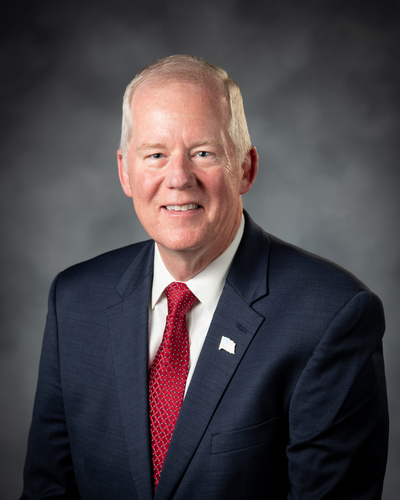
“I am thrilled that the child care bill is becoming law. I appreciate the collaboration and support by all to make these crucial changes. This will be a great benefit to families, providers and employers,” said Del. Bob Fehrenbacher, R-Wood, who sponsored the legislation.
Child care providers, parents and children have come to the state Capitol for years, asking lawmakers to address the multipronged problems in the industry. In response, lawmakers have introduced child care-focused bills during the past few sessions, but the measures failed to make it to the governor’s desk year after year.
“The passage of House Bill 4191 is an important step forward for child care providers, employers and working families across West Virginia,” said Sarah Bolyard, president and CEO of YMCA of Kanawha Valley. The organization’s Cross Lanes center serves about 250 children a day.
“This progress reflects a strong bipartisan effort alongside meaningful partnerships from citizens, providers and community leaders who understand that child care is essential to our state’s workforce and economic future,” Bolyard continued. “Access to reliable, high-quality child care helps parents stay employed, supports business stability and strengthens our local economy.”

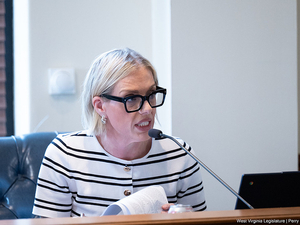
Del. Kayla Young, D-Kanawha, has been at the forefront of pushing child care legislation in GOP-led and mostly-male Legislature.
“After years of advocacy, our landmark child care provider legislation, HB 4191 is now law,” Young said. “I’m grateful for every provider, parent and organization that’s shown up to advocate for child care at the Legislature over the years. Thankful for the child care task force, Del. Fehrenbacher and Gov. Morrisey for their work. This issue has become the heart and soul of my work at the Capitol, and at the center of it is always West Virginia families and their futures. Onward.”
During budget bill debate, the House voted down a proposed amendment from Young that would have put an additional $5.2 million into child care funding. Lawmakers haven’t increased child care funding for more than a decade. State funding for child care development is down 50% in nominal dollars when compared with FY 2014, according to the West Virginia Center on Budget and Policy.
Changes to state child care assistance program
Among the bill’s requirements, it mandates that the state Department of Human Services reimburse child care providers who serve kids using the state’s child care subsidy by the total enrollment rather than daily attendance.
The state recently switched from an enrollment to attendance policy in how it reimburses centers that serve children using child care subsidies, meaning they were only paid for the number of children who showed up that day. Child care attendance can be sporadic due to young kids’ sick days or family needs.
This reimbursement change has been a challenge for providers, who said they’ve lost significant monthly revenue because many operating costs stay the same regardless of the number of children present on any given day.
“Legislation like this helps create a more sustainable path forward as we continue serving children and families who depend on us every day … (The bill) is not the finish line, but it is an important step that helps sustain and advance the child care system that supports families, providers and employers across our state,” Bolyard said.
The bill also asks DoHS to address the state’s “child care subsidy cliff,” where a parent’s income increase abruptly ends their assistance through the subsidized child care program.
The average cost of child care in West Virginia is about $800 per month for one child, according to research from the West Virginia Chamber of Commerce.
“The Legislature finds that abrupt loss of child care assistance due to modest increases in family income creates a benefits cliff that discourages wage growth, limits workforce participation, and destabilizes child care arrangements for children and families,” the measure said.
“This bill gives West Virginia’s child care providers the stabilization and future they deserve, and affirms that we are committed to making sure accessible early childhood education is fully realized for every West Virginia family. This is a milestone, not a finish line — we are just getting started,” Young said.
The bill goes into effect July 1.
Amy Jo Hutchinson, West Virginia campaign director at MomsRising, said in a statement that the bill was “a momentous, hard-fought victory.”
“We are thrilled our elected leaders responded with smart legislation that tackles the child care crisis from every angle,” she said.
Hutchinson said that while the bill was an enormous step forward, work on the issue was not done.
“In the next legislative session, we will press lawmakers to address the severe shortage of child care workers in our state by investing in fair pay for these hardworking professionals and ensuring they can access care for their own children,” Hutchinson said. “Our coalition will continue to fight until every West Virginia family can find and afford the quality child care they need to work and thrive.”
Charleston, WV