State workers’ comp attorneys undefeated but underutilized
Jan 28, 2026 | 8:00 am ET
Description
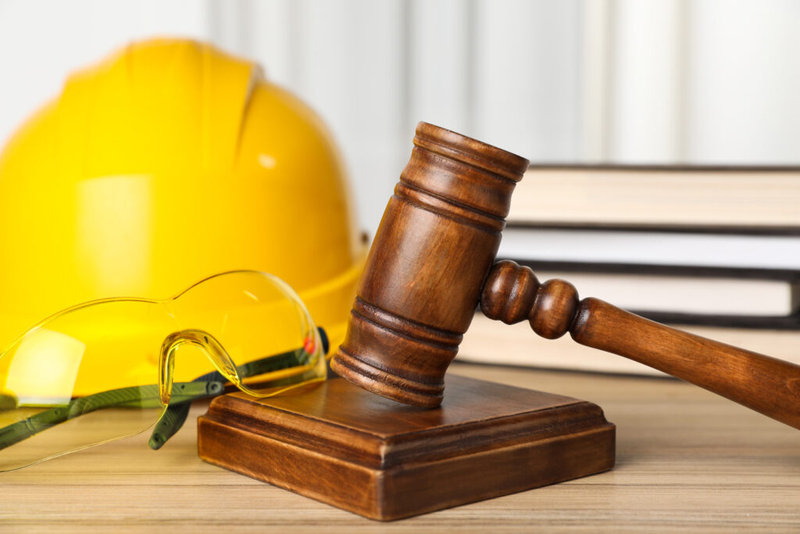
“Many claims are denied because people just didn't follow the right steps and adhere to the right deadlines in order to get things done,”, says the administrator of Nevada Attorney for Injured Workers, a state agency. (Photo: Getty Images)
Last year, the Nevada Attorney for Injured Workers (NAIW) agency, which has nine attorneys in Las Vegas, four attorneys in Carson City, and 20 secretaries and legal researchers, took on around 650 cases.
But NAIW, which operates within the state Department of Business and Industry, has the capacity to take on even more, according to administrator Maria Atkinson. “In a year, we can take up anywhere from 600 to over 1,000 cases.”
“Many claims are denied because people just didn’t follow the right steps and adhere to the right deadlines in order to get things done,” Atkinson added.
An injured worker has 70 days to appeal to the hearing division when their claim is initially denied, or if only part of the claim was accepted. They can do so by sending the initial claim denial letter from the insurer and by filling out a hearing request form.
At the hearing division level “the worker can represent themselves or they can show up with private counsel,” Atkinson said. At this level, injured workers are not eligible for NAIW’s representation.
About 10 days after meeting with the hearing division, the worker receives a written decision in the mail. If the worker disagrees with any part of the decision, they can further appeal it to the appeals officer by submitting a form within 30 days of the hearing division’s decision.
On that form, the injured worker can indicate that they opt to use NAIW’s free representation.
But, since many Nevada workers are unaware of the agency, they choose private counsel for representation and forfeit a portion of their claim earnings, if they win, to attorney fees.
NAIW won all 10 of its appeal cases to the Nevada District and Supreme courts in 2025, but lack of public knowledge about their services leaves the agency underutilized, Atkinson told state lawmakers during a legislative Interim Committee on Commerce and Labor meeting last week.
During the meeting, Republican state Sen. John Ellison raised the point of workers being told that they’re going to get “all this money” but that “the attorneys get most of it.”
“I believe in private enterprise but sometimes it goes a little too far,” Ellison concluded.
Atkinson emphasized that private counsel is important in the legal landscape of Nevada, but also highlighted the importance of having a state-run alternative that’s free.
“Private practice is still a revenue-based business. They don’t work for free,” she said. “So at some point, the employee still is entitled to benefits, but they might not be benefits that a private law firm can really take fees from.”
The lack of private practice availability in 1977 was part of the reason why the agency was created in the first place.
“It was determined that there was an injustice to workers in the state of Nevada being left to lurk with no basis of private attorneys to represent them,” Atkinson said. Instead of workers having to fend for themselves with paperwork and deadlines, the state stepped in. “The agency was created in order to assist these workers.”
Nevada’s entire workers’ compensation system is funded through employer-paid premiums and insurer-paid assessments, which go to the Division of Industrial Relations to fund the Department of Administration Hearings Division and NAIW.
“The taxpayers aren’t paying us,” Atkinson said. “It’s the employers and the people doing business here in workers’ comp that are actually paying for this agency to run and for us to help injured workers.”
Atkinson was appointed as the administrator of NAIW in July of last year after working in private practice for over 20 years.
“I decided that I want to do government work. That I want to help people and not be tapping on doors saying ‘numbers are due,’” she said. “It was a good landing being here now.”
In the last fiscal year, NAIW represented 654 compensation cases with 346 decision and settlement wins, a 53% win percentage.
“It’s a pretty damn good score when we don’t get to pick our cases. Private practice should have close to 100% of wins because they get to pick and choose which cases they take forward,” Atkinson said.
But sometimes, she noted, it’s about the fight and not necessarily the win.
“We will be there for them regardless,” Atkinson continued, “to win 50% of cases that nobody wanted or gave up on is not a bad score at all.”
Part of NAIW’s purpose is to provide procedural advice and general information about the workers’ compensation system to the public. The agency fielded 1,154 information calls from Nevadans last fiscal year.
“There’s a huge need for our constituents to understand that our services are available to them for procedural assistance so that they don’t create other roadblocks that we won’t be able to get past by the time they get to our offices,” Atkinson told state lawmakers during the interim committee meeting last week.“People call us when they get letters from insurance companies with questions and we help them understand what forms they need to get a hold of so that they can appeal letters they disagree with,” Atkinson explained. “At that stage, all we’re doing is giving them procedural information with no legal advice.”
Workman’s compensation claims became a focus point of the November special session with the introduction and passage of Senate Bill 7, which allows first responders to get medical coverage for health issues after years on the job.
Republican state Sen. John Steinbeck, a retired Clark County fire chief, asked Atkinson about workers’ compensation cases by firefighters and police officers from exposure on the job being “consistently denied” initially then “consistently won” during the appeal process.
NAIW rarely sees those cases, Atkinsons responded, as they are usually represented by private counsel, but has done so in the past.
She noted a case of NAIW representing the widow of a Reno police officer that died from heart disease. The case went to the Nevada Supreme Court where the claimant was awarded workers’ compensation benefits.
Atkinson hopes the agency can better market itself as a resource for injured workers.
She plans to attend a few events at the William S. Boyd School of Law at UNLV to promote the work that NAIW does to law students.
“I want to talk to them and let them know that this agency exists, this work exists and it is a great place to help,” she said. “I’m a native Nevadan, born and raised here, and take this work to heart. I want Nevada to succeed in every way and that includes helping the people here, especially our injured workers.”
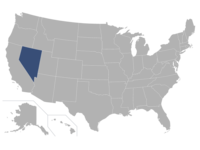
Las Vegas, NV