Data centers don’t just create servers. They create jobs and opportunity.
Jan 23, 2026 | 5:30 am ET
Description
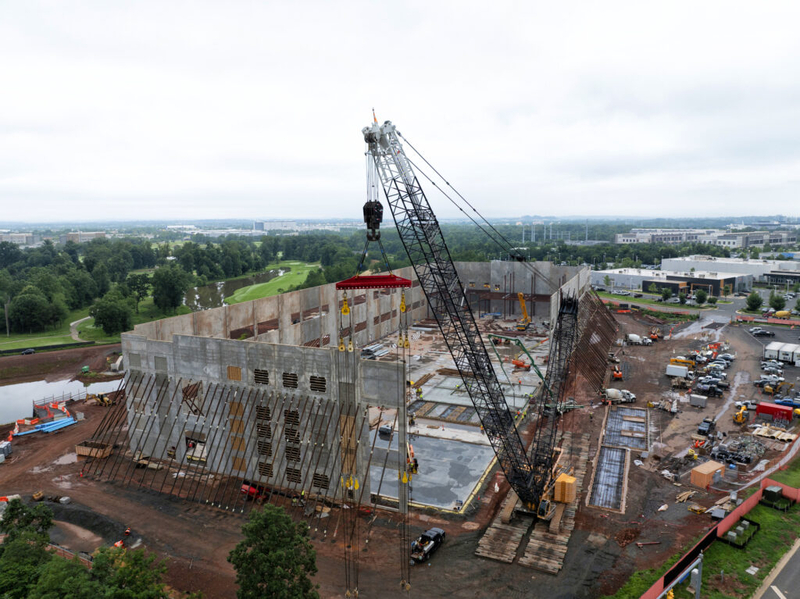
A data center under construction. (Getty Images)
Colorado is at a moment of real opportunity when it comes to jobs and economic growth. As demand for digital infrastructure accelerates, data centers are emerging as one of the most significant job creators tied to the modern economy, particularly for skilled trades and technical professionals. For Colorado workers and families, this represents sustained, high-quality work that supports their ability to thrive and care for themselves and their families.
Recent coverage suggesting that the “jobs picture is mixed” when it comes to data centers in Colorado misses a critical reality of how our economy and our workforce actually function. The idea that data centers “only” create jobs during construction is not just incomplete. It undervalues thousands of skilled workers, dismisses years of high-paying employment, and misunderstands how the trades work in the first place.
Data centers create jobs at every stage of their lifecycle — construction, operations and long-term community support. Building these facilities requires large teams of electricians, engineers, technicians, and skilled tradespeople.
Let’s take a look at the numbers. It’s estimated that each large scale data center employs as many as 1,500 construction jobs for up to three years, creating on average $140,000 in total wages and benefits per worker per year, and up to 100 long-term positions for maintenance and other projects. Just six new large data centers could generate more than $2.6 billion in compensation for Colorado workers and their families. Once operational, data centers employ highly trained professionals in fields like IT, network engineering, facility management, and energy systems.
That means one data center project can generate over $428 million in total compensation during a two-year build, and more than $640 million over a three-year build. Multiply that impact across multiple facilities, and you are talking about billions of dollars flowing directly into the paychecks, pensions and health plans of working families.
A steady job paying $70 an hour is anything but a mixed picture to workers in this challenging economy. Yet some critics wave this away by pointing out that once construction is complete, a data center may employ fewer than 100 permanent workers. That framing fundamentally misunderstands the construction industry and, frankly, comes across as dismissive of the people who work tirelessly to build the infrastructure that forms the backbone of our communities.
Construction is not supposed to last forever. Tradespeople move from project to project, often over multiple years. Suggesting that three years of steady, well-compensated work somehow “doesn’t count” because it has an end date ignores how these careers are structured and how families across Colorado make a living.
And when it comes to data centers, the work doesn’t stop once construction is complete. Data centers require ongoing maintenance, repairs and upgrades, employing up to 100 permanent service and maintenance workers per facility. Think of the impact even 100 good-paying jobs can have in places like Pueblo and Craig, where closing power plants are leaving many workers without a way to support their families.
Of course, the impact of data centers goes far beyond jobs alone.
These projects bring massive investment into local infrastructure, upgrading roads, utilities, broadband and energy systems that many communities desperately need. Not to mention that they generate substantial property tax revenue that supports local schools, public safety and other public services, often in rural areas that have lost industries that once formed the backbone of their communities.
At a time when so many Colorado families are grappling with a cost-of-living crisis, a shaky economy, and an unforgiving job market, data centers represent an opportunity to invest in people and places that are too often overlooked. This isn’t about choosing between short-term and long-term jobs. It’s about recognizing the real value of skilled labor and understanding that large-scale infrastructure projects create lasting economic ripples. Data centers don’t just create servers. They create careers and economic opportunity.

Denver, CO