Memphis Task Force bill would require extra reports on pleas, lowered charges, dismissals
Jan 16, 2026 | 6:01 am ET

Description
A new Tennessee "buffer law" could hamper journalists trying to cover the deployment of a federal law enforcement task force to Memphis. (Photo: John Partipilo/Tennessee Lookout)
A Memphis-area senator is spearheading legislation that would require the Shelby County district attorney to notify multiple state and federal officials any time a felony case arising from a Memphis Safe Task Force arrest leads to a plea agreement, lowered charge, or dismissal.
Sen. Brent Taylor — a Republican representing Germantown, Lakeland, Collierville and part of East Memphis — called the bill the “Memphis Safe Task Force Accountability Act.” The act does not contain accountability provisions for the task force itself, but solely focuses on the district attorney’s handling of the hundreds of cases that result from the multi-agency law enforcement force launched in September by President Donald Trump.
The act would apply to district attorney generals of any judicial district in which the Memphis Safe Task Force or Operation Viper, an FBI mission in Memphis, are operating — ostensibly limiting the scope to Shelby County.
A district attorney general is elected by the public to represent the government in criminal cases, including reviewing evidence, filing charges and prosecuting people accused of crime. District Attorney General Steven Mulroy has served Shelby County in the role since 2022.
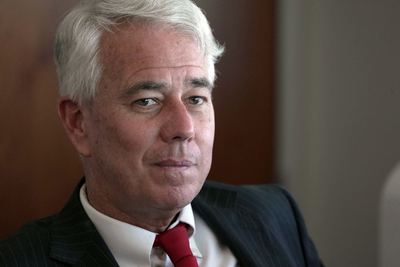
Mulroy said Taylor’s proposal is unnecessary and only creates additional burden for his office, which is already stretched thin due to hundreds of task force arrests with no support from the state or federal government to handle the larger case load.
“Logistically, it would be a nightmare,” Mulroy said.
Nationally, more than 90% of criminal cases end in a settlement, he said, and Shelby County is no different.
“We settle cases all the time, so to have to constantly keep track of that and notify multiple bodies every 24 hours would be incredibly burdensome,” he said. “And even if it wasn’t every 24 hours, keeping separate track of just those cases that come in from the federal task force would itself be burdensome. It is not the case that we treat the federal task force cases any differently from any other case, nor should we.”
Rep. John Gillespie, the bill’s House sponsor, deferred to Taylor for comment when reached via phone Thursday. Taylor did not respond to requests for comment.
The U.S. Marshals Service reported earlier this month that the task force has arrested 4,700 people since October 2025. While the Marshals have highlighted a fraction of the arrested individuals they deem “notable,” the Marshals and other agencies involved in the task force have yet to provide a full account of the names of individuals arrested or the specific charges they face.
Shelby County Mayor Lee Harris said in December that the task force does compile arrest information, but daily updates provided to his office are marked “sensitive information,” and he could not share it due to the risk of retaliation.
Tennessee, feds provide few details on cost, arrests three weeks into Memphis task force
The U.S. Marshals’ releases initially included the number of immigration-related arrests, but the service has since stopped providing that information. Initial data showed about 20% of the task force’s arrests were for alleged immigration violations, which are handled by immigration courts and are not under Mulroy’s purview.
Mulroy said a “large percentage” of the task force cases have involved lower-level misdemeanors and nonviolent crimes. A “minority” have been violent cases, with some of the more serious cases stemming from an existing backlog of outstanding warrants that the task force has assisted local law enforcement in clearing.
Mulroy said the task force cases have increased daily General Sessions dockets by as much as 50%, though he said he’s not “trying to pour shade on the federal task force.”
“Helping us with our backlog on outstanding warrants is a good thing, but you’re asking about the effect on our workload,” Mulroy said. “It has been significant, and this law would merely exacerbate that situation.”
Mulroy also said the law is duplicative, because the Tennessee legislature passed another law in 2024 — also sponsored by Taylor — that requires each district attorney general to provide an annual report to the governor, the speakers of the house and senate and others containing the number of arrests and indictments and final case dispositions and sentences, among other things.
That law goes into effect on July 1, 2026.
Taylor has repeatedly accused Mulroy of being soft on crime, calling Mulroy the “weak link in this unprecedented investment to clean up crime” in social media posts.
In an Oct. 31 editorial published in The Tennessean, Mulroy wrote that Taylor’s characterization is false and pointed to the more than 40,000 cases prosecuted by his office each year. Taylor has repeatedly filed ethics complaints against Mulroy, which were dismissed by the state’s ethics board, Mulroy wrote.
Anita Wadhwani contributed.
Nashville, TN