Lawmakers across parties eyeing tax credits to lower Mainers’ energy bills
Dec 01, 2025 | 5:08 am ET

Description
Both Democratic and Republican lawmakers have proposed legislation that would provide a tax credit to help allay energy costs. (Photo by Lauren McCauley/ Maine Morning Star)
Many Maine households and businesses have felt squeezed by electricity costs in recent years. With prices set to increase even more, lawmakers are trying to do what they can to lower consumers’ bills.
Lawmakers passed a law last legislative session that is meant to lower the cost of net energy billing, a renewable energy credit program that receives a lot of blame for rising costs, though officials point to the volatility of fossil fuels as the real driver of the increases.
But the work to lower Mainers’ energy expenses isn’t over yet and lawmakers are contemplating ways that tax credits could help with that.
Just last week, the Public Utilities Commission announced new electricity prices for 2026. Both Central Maine Power and Versant customers can expect to see their bills increase by an average of $13 to $17, according to an analysis by the Office of Public Advocate.
But even before that increase was announced, legislative leaders decided to consider at least two bills when lawmakers reconvene in January that propose using tax credits to offset energy costs.
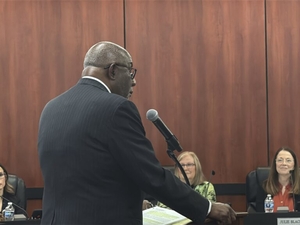
One proposal was initially introduced last session but didn’t have a public hearing before the Energy, Utilities and Technology Committee until the end of October. Bill sponsor Rep. Steven Foster (R-Dexter) said LD 1223 would shift the cost of assistance programs from ratepayer to taxpayers.
The bill proposes a refundable income tax credit for ratepayers of 6% of the total amount paid for electricity services in the previous calendar year. That amount would represent how much each household is paying for various assistance programs, including net energy billing, the low-income assistance program, and the arrearage management program, which helps low-income customers who are behind on their bills.
For example, if a household paid $120 towards those programs over the course of the year, they would file for an income tax credit for that amount, which would then be paid from the state’s general fund.
The thinking is that more people, including tourists and part-time residents, pay into the general fund and their contribution would help allay the burden currently placed solely on energy customers.
Foster also argued that having ratepayers shoulder the cost of these social programs operates like a regressive tax, in which low income consumers pay a greater proportion of their income, whereas shifting those costs to the general fund utilizes Maine’s existing progressive tax structure.
During the hearing for LD 1223, there was mention of a similar bill from Rep. Kilton Webb (D-Durham) that will go before the Taxation Committee next year. Webb’s bill is still being drafted, but he said it will propose a $50 a month tax credit for qualifying low-income ratepayers.
“This comes from the most important word of our times which is ‘affordability,’” Webb said.
As a member of the energy committee, Webb said he wanted to find innovative ways to alleviate costs for ratepayers.
“If a freshman Democrat legislator and a ranking member on the Republican side are kinda coming to the same conclusion, I think this is an idea with some real legs,” Webb said, referring to his and Foster’s bills.
Foster’s bill is more nuanced, which Webb said speaks to the more senior lawmaker’s creativity and experience. However, both lawmakers said they are open to bipartisan work on these proposals to help turn them into policy that could benefit ratepayers.
Augusta, ME